 Owner’s manual




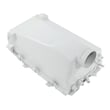
How much does it cost to replace a rubber seal on an LG washing machine?
Replacing the rubber door seal (door boot) on an LG front-load washer like model WM3370HWA typically costs $200 to $500 total (part plus labor). If you do it yourself, you usually pay $100 to $200 for the seal and reuse or replace the clamp as needed.
What you pay for (parts vs. labor)
Typical cost breakdown for a door boot replacement:
- Door boot (rubber seal): usually the main cost
- Clamp(s): the spring clamp may be reused, but many repairs go smoother with a new clamp
- Labor: most of the total cost if you hire service
- Service call/diagnostic fee: sometimes applied toward the repair
- Extra parts: only if there is related damage (hose, dispenser, door lock)
| Scenario | Typical total cost | What’s included |
|---|---|---|
| DIY replacement | $100 to $200 | Door boot, basic supplies |
| DIY with new clamp | $120 to $230 | Door boot plus clamp |
| Professional service | $200 to $500 | Part, labor, setup/testing |
Parts that are commonly involved on WM3370HWA
For this model, these parts are often relevant when you’re fixing leaks at the door opening:
Why the price varies so much
A door seal job can be quick or time-consuming depending on what’s going on:
- Leak source: a torn boot vs. a loose clamp vs. oversudsing
- Access and disassembly: front panel and door area work takes time
- Condition of the old seal: stuck-on residue can slow removal
- Related issues: a misaligned door, worn strike, or door lock problems
Why it matters
A leaking or moldy door boot can lead to water damage, odors, and repeat leaks. Replacing the seal and confirming the door closes correctly helps the washer run reliably and keeps the interior drier between loads (we also recommend following the ventilation guidance in the WM3370HWA owner’s manual).
Last updated: February 2026
What is the average lifespan of an LG washer?
An LG washer like model WM3370HWA typically lasts 10 to 14 years with normal household use and basic maintenance. Keeping the tub clean, using the right detergent amount, and addressing drain or fill issues quickly helps you reach the upper end of that range; see the WM3370HWA owner's manual for care guidance.
Typical lifespan and what affects it
- Load size and frequency: daily heavy loads shorten life faster than moderate use
- Installation and leveling: an unlevel washer increases vibration and wear on suspension and bearings
- Water quality: hard water can increase scale buildup on internal components
- Detergent habits: too much HE detergent can cause oversudsing and stress the drain system
- Ventilation and cleaning: leaving the door ajar and cleaning the gasket reduces odor and mold
What “end of life” usually looks like
| Symptom | Common cause | What we check first |
|---|---|---|
| Won’t drain or drains slowly | Clogged filter, failing pump | Drain path and pump operation |
| Won’t fill or fills slowly | Supply issue, inlet valve problem | Screens, hoses, valve function |
| Door won’t lock/unlock | Door lock or strike wear | Latch alignment and lock |
| Loud banging in spin | Suspension wear, unbalanced loads | Leveling and load distribution |
Parts that often come up as washers age
If your WM3370HWA is otherwise in good shape, replacing a single wear item can extend service life.
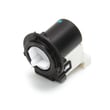
- Drain pump motor (4681EA2001T) - washer part by LG electronics 4681EA2001T
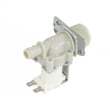
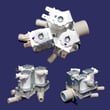
- LG washer single-solenoid water inlet valve 5220FR2006H
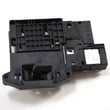
- LG washer door lock EBF61315802
- LG washer door boot MDS47123602
Why it matters
Knowing the typical 10 to 14 year lifespan helps you decide whether to repair (common for a drain pump, inlet valve, or door lock) or plan for replacement if multiple major components are failing.
Last updated: February 2026
What is the most common problem with LG washers?
The most common issues we see with LG washers like model WM3370HWA are drain problems (slow or no drain) and fill problems (weak fill or inlet filter clogs). These show up as standing water, long cycle times, or water-related error messages; routine cleaning and hose checks prevent many failures (see the WM3370HWA owner's manual).
Most common symptoms and what they usually mean
- Washer won’t drain or drains slowly: drain hose kinked/clogged, pump filter blocked, or a failing drain pump
- Washer won’t fill or fills slowly: clogged inlet screens/filters, low water pressure, or a failing inlet valve
- Door won’t lock or cycle won’t start: door lock or strike alignment issue
- Musty odor or residue: tub needs cleaning, door kept closed between loads
- Out-of-balance shaking: load distribution, suspension wear, or leveling issue
Quick checks we recommend first (before replacing parts)
- Unplug the washer and turn off water.
- Confirm the drain hose isn’t pinched and is routed correctly.
- Remove and clean inlet filters/screens; soak in white vinegar if scaled, then rinse.
- Run a Tub Clean cycle as directed in the manual.
- Leave the door slightly ajar between loads to help the interior dry.
Common part fixes for these problems
If the basic checks don’t solve it, these model-matched parts are common culprits:
| Problem area | What fails most often | Model-matched part to consider |
|---|---|---|
| Not draining / slow drain | Drain pump motor | Drain pump motor (4681EA2001T) - washer part by LG electronics 4681EA2001T |
| Slow fill / no fill | Water inlet valve | LG washer single-solenoid water inlet valve 5220FR2006H |
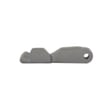
| Won’t start, door won’t lock | Door lock/strike | LG washer door lock EBF61315802 and LG washer door lock strike MFG63099101 |
Why it matters
Drain and fill problems can cause long cycle times, poor cleaning, leaks, and repeat error codes. Keeping inlet filters clean, using new hoses when installing, and maintaining the tub reduces strain on the pump, valves, and control system.
Last updated: February 2026


