View engine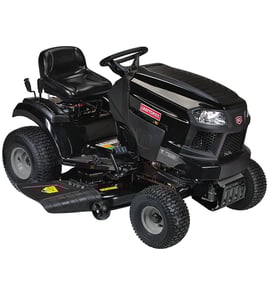



What kind of oil do you use in a Craftsman lawn tractor?
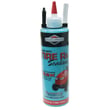
For the Craftsman lawn tractor model 917270410, we use 4-cycle engine oil; SAE 5W-30 is the most common all-around choice for reliable starting and protection across typical mowing temperatures.
Recommended oil type (what to buy)
Use 4-cycle (4-stroke) detergent engine oil in one of these common viscosity grades:
- SAE 5W-30: best all-season option for most owners
- SAE 10W-30: good for warmer weather and steady mowing temps
- SAE 30: typically used only in consistently warm conditions
If you are stocking up on maintenance items for 917270410, we also recommend keeping a spare blade and deck-drive wear parts on hand, such as the husqvarna lawn tractor mulching blade, 21-in 532134149.
Quick viscosity guide
| Outdoor temperature range | Typical oil grade | Why it helps |
|---|---|---|
| Cooler starts and variable temps | 5W-30 | Easier cranking, faster lubrication |
| Mild to hot mowing season | 10W-30 | Strong protection at operating temp |
| Hot weather only | SAE 30 | Stable viscosity in heat |
How to avoid oil-related problems
- Check oil level before each mowing session on level ground
- Change oil on schedule (at least once per season for many homeowners)
- Do not overfill; overfilling can cause smoking and rough running
- Wipe the dipstick clean, reinsert fully, then read the level
- Use a clean funnel and keep dirt out of the fill tube
Why it matters
Correct oil viscosity helps your 917270410 engine lubricate quickly at startup and maintain a protective film when hot. That reduces wear, helps prevent overheating, and supports consistent power under load.
Last updated: February 2026
What year did Craftsman make the 917270410?
Craftsman model 917270410 was made across a production run (not a single model year). The exact build year for your specific tractor is determined from the serial number/date code on the tractor’s ID label, not from the model number alone.
Where to find the build date on a 917270410
On most Craftsman front-engine lawn tractors, the ID label is typically:
- Under the seat (lift the seat pan)
- On the rear fender pan near the seat
- On the frame rail near the engine compartment
- Occasionally near the transaxle area
Write down both the model number (917270410) and the serial number exactly as shown.
How to decode the year (what to look for)
Once you have the serial number/date code, use these common patterns:
- Look for a date-style code that includes a 2-digit or 4-digit year
- Check the first 6 digits if the label uses an MMDDYY-style format
- Match the code to the engine tag (Briggs and Stratton or Kohler engines often have their own build date code)
Quick guide
| What you have | What it tells you | What to do next |
|---|---|---|
| Model number only (917270410) | Identifies the tractor family/configuration | Use the serial/date code to get the year |
| Serial number/date code | Identifies the specific build date | Decode the year from the code |
| Engine model/type code | Engine build date (often close to tractor build date) | Compare to tractor label for confirmation |
Why it matters
The build year affects parts fitment for wear items like deck components, steering parts, and electrical starting parts. Using the serial/date code helps us match the correct diagrams and avoid ordering the wrong belt, blade, or solenoid.
Parts that commonly vary by production run
If you are also trying to confirm fitment while you identify the year, these are common “year-sensitive” areas:
- Mower deck and mandrel components
- Blade drive belt routing and length
- Steering linkage and sector gear style
- Starting circuit parts (solenoid, switches)
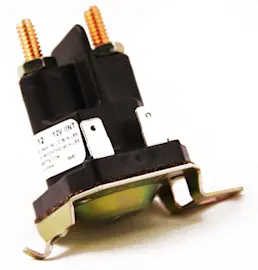
If you need a starting-system reference part while troubleshooting, the starter solenoid listed for this model is solenoid 532146154.
Last updated: February 2026
What engine does Craftsman riding mower use?
The Craftsman riding mower model 917270410 uses a gas, single-cylinder riding mower engine, but the exact engine brand and horsepower vary by build and are best confirmed by matching the engine’s model/type code on the engine shroud to the parts listing for your tractor. For starting-related engine issues, use our riding lawn mower engine spins but wont start video.
How to identify the exact engine on model 917270410
Check these common ID locations on front-engine lawn tractors:
- Engine shroud/blower housing label (often shows model, type, and code)
- Valve cover or starter housing tag
- Frame tag under the seat or near the rear fender (tractor model, not engine)
- Any emissions label near the muffler or air box
Once you have the engine model/type, you can match it to the correct ignition, fuel, and tune-up parts.
Quick symptoms guide (engine vs. electrical)
Use this to narrow down what you are dealing with before ordering parts.
| What happens when you turn the key | Most likely area | What to check first |
|---|---|---|
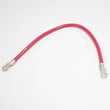
| Single click, no crank | Starting circuit | Battery cables, starter solenoid |
| Cranks normally, will not start | Fuel/ignition | Fresh fuel, spark, air filter |
| No click, no crank | Safety interlocks | Brake/clutch switch, PTO switch |
| Cranks slowly | Battery/charging | Battery charge, connections |
If you hear a click but the starter will not turn, the starter solenoid is a common failure point; see solenoid 532146154.
Why it matters
Craftsman tractor model numbers identify the tractor, not always the exact engine spec. Confirming the engine model/type ensures you get the right maintenance and starting parts (solenoid, belts, blades) and avoids ordering mismatched components.
Parts on this model page that often relate to engine operation
These parts do not identify the engine, but they commonly come up when diagnosing “won’t start” or “won’t move” complaints:
- Solenoid 532146154 (starting circuit)
- Lawn tractor drive belt 532144200 (blade drive and deck engagement issues)
- Muffler 532137348 (exhaust restriction or damage)
Last updated: February 2026
What size deck is a Craftsman 917270410?
The Craftsman 917270410 front-engine lawn tractor typically uses a 42-inch mower deck (measured by cutting width). If you are replacing deck-related parts, match parts to the 42-inch deck configuration used on this model.
How to confirm deck size on your tractor
Use one of these quick checks (no special tools needed):
- Look for a deck size decal on the mower deck shell (often shows 42, 46, etc.).
- Measure the cutting path: with blades straight side-to-side, measure tip-to-tip across the deck.
- Count blades: most 42-inch decks use two blades.
- Compare your blade length to a known 42-inch deck blade size (commonly about 21 inches each).
- Verify the deck shell width and belt routing match a 42-inch setup.
Common 42-inch deck parts you may need
If your cut quality is poor, the deck vibrates, or the belt slips, these parts are commonly involved:
| Symptom | Common cause | Example part on this model page |
|---|---|---|
| Uneven cut or ragged grass | Dull/bent blade | Husqvarna lawn tractor mulching blade, 21-in 532134149 |
| Deck squeal, poor blade drive | Worn/stretched belt | Lawn tractor drive belt 532144200 |
| Vibration or rumbling from deck | Worn mandrel bearings/housing | Husqvarna lawn tractor mandrel assembly 532130794 |
| Grass discharge not controlled | Damaged chute/guard | Lawn tractor deflector shield 532130968 |
Why it matters
Deck size drives the correct fit for blades, belts, mandrel assemblies, and deck hardware. Ordering 46-inch deck parts for a 42-inch deck (or vice versa) often leads to belt misrouting, poor cut quality, and premature wear.
For step-by-step deck setup and cut-quality tips, use our DIY guide: how to level a riding lawn mower deck for an even cut video.
Last updated: February 2026
Is it worth replacing a lawn mower engine?
Yes, replacing the engine on your Craftsman 917270410 front-engine lawn tractor is worth it when the tractor’s deck, steering, and drive components are still solid and the total engine-swap cost stays well below the cost of replacing the entire tractor. It is a poor value when multiple major systems are worn out at the same time.
Quick decision checklist
- The mower deck is structurally sound (no major rust-through or cracks).
- The transmission and drive system still move the tractor smoothly.
- You can source the correct engine and any swap hardware without modifying the frame.
- The repair total (engine, belts, blades, labor) is clearly less than a comparable replacement tractor.
- You plan to keep the tractor for several more seasons.
Cost and condition guide (simple rule)
| What you’re seeing | Typical meaning | Best next step |
|---|---|---|
| Strong deck and steering, engine is the only major failure | Good candidate for an engine swap | Price the engine swap and proceed if it fits your budget |
| Deck is worn, blades and mandrels are noisy, belt issues are frequent | Multiple deck repairs likely | Fix the deck first or reconsider the engine swap |
| Starting system problems plus engine issues | Could be electrical, not just engine | Diagnose starting circuit before buying an engine |
What to inspect on model 917270410 before committing
Focus on the high-wear areas that often decide the value of an engine swap:
- Deck drive belt condition and tracking; a worn belt can mimic power problems (see lawn tractor drive belt 532144200).
- Blade and spindle area; vibration or rumbling points to mandrel wear (see husqvarna lawn tractor mandrel assembly 532130794).
- Blade condition; badly bent or heavily worn blades can cause vibration that damages the deck (see husqvarna lawn tractor mulching blade, 21-in 532134149).
- Starting circuit; a click with no crank often points to battery cables, safety switches, or the solenoid (see solenoid 532146154).
Why it matters
An engine swap only pays off when it restores a tractor that is otherwise dependable. If the deck system (belt, blades, mandrels) and the starting system are already near end-of-life, you can end up chasing multiple repairs after the engine is replaced.
Helpful DIY guidance
If your decision is driven by a no-crank symptom, use our troubleshooting video first: riding lawn mower engine clicks but doesnt turn over video.
Last updated: February 2026