



Do Craftsman mowers use Briggs and Stratton engines?
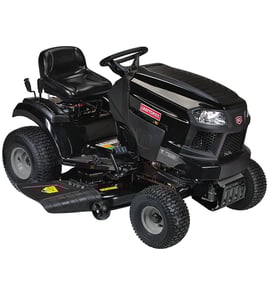
Yes, many Craftsman mowers and lawn tractors use Briggs and Stratton engines, but it depends on the exact Craftsman model and engine option. For Craftsman model 91725751, confirm the engine brand by checking the engine ID tag on the engine shroud or valve cover, then match parts by model.
How to confirm what engine is on your Craftsman 91725751
Look for an engine identification label (usually a sticker or stamped plate). Common locations include the blower housing (recoil/shroud area), valve cover, or near the muffler heat shield.
- Clean the label area so the numbers are readable
- Record the engine model, type, and code (Briggs and Stratton format)
- If the label is missing, look for stamped numbers on the metal shroud
- Use the mower or tractor model number 91725751 to narrow down compatible parts
- Match the engine numbers before ordering ignition, fuel, or starting parts
What you will typically see across Craftsman mowers
Craftsman equipment has been sold with engines from multiple manufacturers over the years. Here is a quick guide to what that means when you are shopping parts.
| What you have | What it affects most | What to match before ordering |
|---|---|---|
| Briggs and Stratton engine | Carburetor, ignition, starter, filters | Engine model/type/code |
| Other engine brand | Same categories, different part families | Engine model/serial format |
| Unknown engine (label missing) | Higher risk of wrong parts | Physical measurements plus tractor model |
Why it matters for repairs and parts
The tractor model number helps, but the engine model is what determines many tune-up and fuel system parts. For example, if you are chasing a no-start or fuel leak, the correct fuel line routing and diameter matters.
- For fuel leaks or cracked hoses, inspect and replace the fuel line 587044854
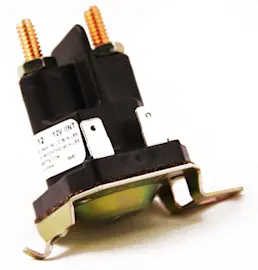
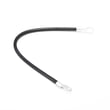
- For a no-crank condition, check battery cables, safety switches, and the starter circuit; a failed solenoid 532146154 is a common cause
- For intermittent electrical issues, inspect for damaged wiring and corrosion at terminals
Quick safety and prep checklist
- Remove the key and disconnect the spark plug wire before working near moving parts
- Let the engine cool before touching the muffler area
- Work in a ventilated area when handling fuel
Last updated: January 2026
How much does it cost to replace a riding lawn mower engine?
For a Craftsman riding mower like model 91725751, a full engine replacement (engine plus labor) typically runs about $260 to $1,800 installed, depending on engine type, whether it is new or rebuilt, and how much related work is needed during the swap.
What drives the total cost
Engine replacement pricing varies a lot because the engine is only part of the job. Common cost drivers include:
- Engine type and horsepower (single-cylinder vs. V-twin)
- New vs. rebuilt vs. used engine
- Crankshaft size and PTO configuration (must match your mower and deck drive)
- Extra parts needed (belts, pulleys, wiring repairs, fuel line)
- Shop labor rate and local availability
Typical labor time (what you are paying for)
A riding mower engine swap is a bigger job than a walk-behind mower because of the frame, drive system, and deck connections.
| Job type | Typical labor time | Notes |
|---|---|---|
| Walk-behind mower engine replacement | 2 to 3 hours | Simpler controls and driveline |
| Riding mower engine replacement | About 6 hours | More linkages, wiring, and belt routing |
Parts that are commonly replaced during an engine swap
If the old engine failed catastrophically or the mower has high hours, replacing a few wear items at the same time helps prevent repeat downtime.
- Fuel hose that is cracked or soft (example: fuel line 587044854)
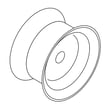
- Drive idler pulley if noisy or wobbly
- Battery cables and terminals if corroded
- Deck and ground drive belts if glazed or stretched
- Ignition switch if intermittent starting is also a complaint
Why it matters
A correct engine match protects the crankshaft, PTO, and belt alignment. If the crankshaft diameter/length or mounting pattern is off, the mower can shred belts, vibrate excessively, or fail to drive the deck properly.
Last updated: January 2026
What are the parts of a lawn mower engine?
A Craftsman front-engine lawn tractor like model 91725751 uses a small gasoline engine made up of fuel, air-intake, ignition, and internal moving parts that work together to create power at the crankshaft. Most “engine problems” trace back to fuel delivery, spark, or airflow.
Main engine parts (what they do)
- Fuel tank and fuel line: stores fuel and delivers it to the engine (a cracked line can cause leaks or stalling).
- Carburetor: mixes fuel and air for combustion.
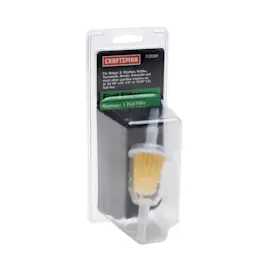
- Air filter: keeps dirt out of the engine; a clogged filter causes rich running and power loss.
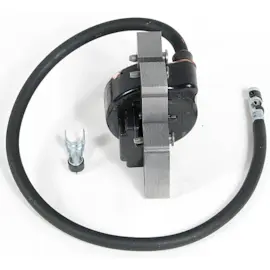
- Ignition system: typically includes the ignition coil (magneto), spark plug, and flywheel magnets.
- Flywheel: helps keep engine speed steady and triggers spark timing.
- Starter system: recoil starter on some engines, or electric start using a battery and solenoid.
- Crankcase and crankshaft: the crankshaft turns engine power into rotation for the drive system and mower deck.
Parts you may replace during engine-related repairs
These are common “engine-adjacent” parts we see replaced on riding mowers when starting or running issues show up:
- Fuel line 587044854 (fuel delivery and leak prevention)
- Solenoid 532146154 (electric-start clicking or no-crank symptoms)
- Lawn tractor ignition switch 583731001 (no-start or intermittent start from the key switch)
Quick symptom-to-system guide
| Symptom | Most likely system | What to check first |
|---|---|---|
| Cranks but won’t start | Fuel or spark | Fresh fuel, spark plug condition, carburetor bowl/jet |
| Starts then dies | Fuel delivery | Fuel cap venting, clogged fuel line, dirty carburetor |
| Runs rough, low power | Air or fuel mix | Air filter, carburetor adjustment/cleaning |
| No crank or only clicks | Starting circuit | Battery connections, solenoid, ignition switch |
Why it matters
Knowing the engine “systems” helps you troubleshoot faster and avoid replacing the wrong part. On model 91725751, separating fuel, spark, and airflow checks usually pinpoints the cause in minutes.
Last updated: January 2026