



How much is a combined heating and cooling system?
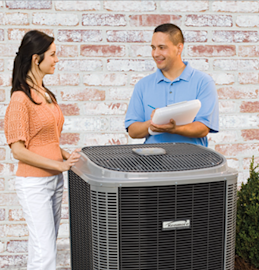
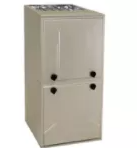
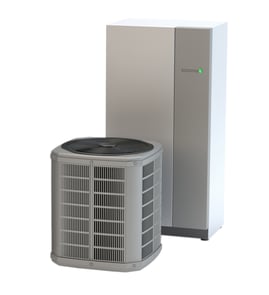
A combined heating and cooling system (like a packaged gas HVAC unit similar to Goodman model PGB036075-1A) typically costs about $10,000 to $20,000 installed, with many homeowners landing near the mid-range when equipment, labor, and setup are included.
What drives the total price
Installed cost varies mainly by capacity, efficiency, and how much work is needed to connect the unit to your home.
- System size (tonnage and BTU output) matched to your home
- Efficiency ratings (higher efficiency usually costs more upfront)
- Ductwork condition (repairs, sealing, resizing)
- Electrical and gas line requirements (upgrades, permits, shutoffs)
- Installation complexity (roof curb, pad, crane access, clearances)
- Add-ons (thermostat, zoning, filtration, condensate management)
Typical cost breakdown (installed)
These ranges are common for packaged heating and cooling replacements.
| Cost item | Typical share of total | What it includes |
|---|---|---|
| Equipment (package unit) | 40% to 60% | Unit, factory components, basic accessories |
| Labor and setup | 25% to 40% | Removal, placement, connections, startup |
| Duct, electrical, gas updates | 0% to 25% | Only if needed for code or fit |
| Permits and disposal | 2% to 8% | Local requirements and haul-away |
How to estimate your price more accurately
We use these checkpoints to narrow the range before you commit to a repair or replacement decision.
- Confirm your exact unit model and configuration (packaged gas vs split system)
- Note whether the unit is ground-mounted or rooftop
- Check duct size and condition at the supply and return
- Identify power type and disconnect condition (wiring, breaker, whip)
- Compare repair cost vs replacement if major components are failing
Repair vs replace: quick comparison
| If you are seeing... | Often points to... | Common parts involved |
|---|---|---|
| No cooling, fan hums or struggles | Weak start/run components | Overload CAP050300440RSP |
| Loud inducer, heat won’t prove | Draft/venting motor issues | Furnace inducer vent motor assembly B2959000S |
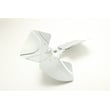
| Outdoor fan not running | Failed fan motor or blade | Central air conditioner condenser fan motor B13400251S, central air conditioner condenser fan blade B1086756S |
Why it matters
Sizing and installation quality affect comfort, energy use, and reliability as much as the equipment itself. A low bid that skips duct or electrical corrections often leads to noise, short cycling, and premature part failures.
Last updated: February 2026
How to find Goodman model number?
For your Goodman PGB036075-1A package gas heating and cooling unit, the model number is typically printed on the unit’s rating plate (data tag). On most package units, that plate is inside the control or burner compartment, or on an interior panel you can see after removing the access door.
Where to look on a PGB036075-1A package unit
Check these common rating-plate locations:
- Inside the burner compartment access panel (gas heat section)
- Inside the control compartment near the wiring and contactor
- On an interior side wall of the cabinet behind the service door
- Near the blower section panel (air handler area)
- Occasionally on the exterior cabinet near the refrigerant service ports
What you should write down (and why)
Record the full model and serial exactly as shown; one missing character can change the parts match.
| Item | What it’s used for | Example of what to capture |
|---|---|---|
| Model number | Ensures correct parts list for your unit | PGB036075-1A |
| Serial number | Helps identify production run details | Full serial as printed |
| Electrical data | Confirms correct electrical replacement parts | Volts, phase, Hz |
| Gas data | Confirms correct heating components | Fuel type, input BTU |
If the label is hard to read
Use these practical steps to get a clean read without damaging the tag:
- Turn off power at the disconnect before opening panels
- Wipe dust lightly with a dry cloth (avoid solvents)
- Use a flashlight at an angle to make faded print stand out
- Take a close-up photo and zoom in
- Copy the model exactly, including dashes and suffixes
Why it matters
Goodman package units can share similar cabinet sizes but use different burners, motors, and electrical parts. Using the exact model number helps us match the correct items, such as the furnace inducer vent motor assembly B2959000S or the air handler transformer 0130M00138S.
Last updated: February 2026
What is the 20 degree rule for heat pumps?
The “20-degree rule” is a rule of thumb that an HVAC system often produces about a 15°F to 25°F temperature drop across the indoor coil in cooling (supply air vs. return air). For a Goodman PGB036075-1A package gas unit, use it as a quick performance check, not a hard limit on thermostat settings.
What “20 degrees” means in real-world HVAC
People use “20 degrees” in two common ways:
- Delta T (supply vs. return): Typical cooling split is 15°F to 25°F with correct airflow and charge.
- Indoor vs. outdoor: “Don’t expect more than 20°F cooler than outside” is a comfort guideline; insulation, humidity, sun load, and duct losses change results.
- Not a cutoff: The unit does not stop cooling at a 20°F difference.
Quick checks you can do
- Measure return and supply temps after 10 to 15 minutes of steady cooling.
- Replace a dirty filter and keep registers open to protect airflow.
- If you see icing, turn cooling off and let the coil thaw fully.
- If the outdoor fan is not running, address that first.
Symptoms and what they usually point to
| What you notice | Common cause | What to check next |
|---|---|---|
| Low Delta T (under 15°F) | Low airflow, dirty coil, low charge | Filter, blower, coil cleanliness |
| High Delta T (over 25°F) | Low airflow | Filter, return restrictions |
| Outdoor unit hot, weak airflow | Fan issue | Fan motor, fan blade |
Why it matters
Using the “20-degree rule” correctly helps us separate thermostat expectations from real problems like restricted airflow or a failing fan motor, which can drive high bills and poor comfort.
Parts that commonly affect airflow and heat rejection
- Central air conditioner condenser fan motor B13400251S
- Central air conditioner condenser fan blade B1086756S
- Central air conditioner air handler blower motor B13400313S
Last updated: February 2026
What is the average lifespan of a Goodman AC unit?
A Goodman AC unit typically lasts 12 to 15 years. For a Goodman package gas system like model PGB036075-1A, consistent maintenance and correct airflow help it reach the upper end of that range and avoid early failures.
Typical lifespan ranges
Most central air conditioning systems fall into these real-world ranges:
- 12 to 15 years: typical service life for many Goodman AC systems
- 15 to 20 years: common when maintenance is consistent and the system is correctly sized
- Under 12 years: often tied to poor airflow, dirty coils, electrical issues, or installation problems
What affects lifespan the most
These items have the biggest impact on how long your PGB036075-1A cooling section lasts:
- Airflow and filtration: a restricted filter or return ductwork makes the blower and coil work harder
- Outdoor coil cleanliness: dirt and debris raise head pressure and stress the compressor
- Electrical health: weak capacitors, loose wiring, and overheated connections shorten component life
- Fan performance: a failing fan motor or damaged blade can overheat the system
- Heat and run time: long cooling seasons and high demand increase wear
Quick maintenance checklist (high impact)
We recommend these basics to protect the compressor, motors, and controls:
- Replace or clean the air filter on a regular schedule
- Keep the outdoor coil clear of grass clippings, lint, and leaves
- Confirm supply and return vents are open and not blocked
- Listen for new noises (rattling, squealing, grinding) and address them early
- Have a technician check refrigerant charge and electrical readings during seasonal service
Common parts that can shorten lifespan when they fail
A few components often cause bigger damage if they are ignored:
| Symptom | Often involved | Why it matters |
|---|---|---|
| Humming, hard starts, frequent trips | Capacitor/overload | Overheats and stresses the compressor |
| Outdoor fan not spinning or noisy | Fan motor/blade | Causes high pressure and shutdowns |
| Poor airflow, overheating | Blower motor/wheel | Reduces cooling and increases run time |
If you are troubleshooting electrical or motor issues, the how to use a multimeter to test electrical parts video helps you test safely and accurately.
Why it matters
Once an AC system gets near the end of its lifespan, small issues (airflow restrictions, weak electrical components, dirty coils) can cascade into expensive failures. Staying ahead of those basics is the most reliable way to get full life from your Goodman system.
Last updated: February 2026