Owner’s manual

Where can I buy Craftsman garage door opener parts?
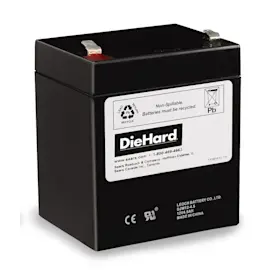
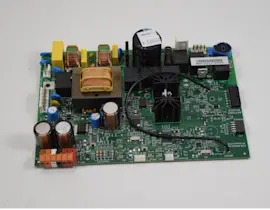
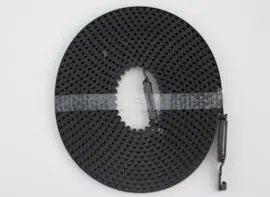
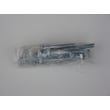
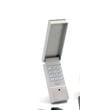
You can buy replacement parts for your Craftsman 13953663SRT 1/2-hp garage door opener through Sears PartsDirect by searching the model number and matching the part number and description to your opener. Use the 13953663SRT owner's manual to confirm the exact part name and where it installs.
The fastest way to get the right part
- Find the model number label under the light lens on the front end panel of the opener.
- Use the model number 13953663SRT when searching parts.
- Match the part number and part description to what you need (for example: remote control, safety reversing sensor, logic board, belt, or worm gear).
- If you are unsure which part failed, check symptoms first (lights blinking, door reversing, remotes not responding).
- Keep your opener details handy: product type, model number, part number, and part description.
Common parts and accessories people order for this model
The 13953663SRT manual lists several commonly replaced items and add-ons. Here are examples you may see when shopping:
| Part or accessory type | What it helps with | When you typically need it |
|---|---|---|
| Safety reversing sensors | Door will not close or reverses | Sensors misaligned, blocked, or wiring issues |
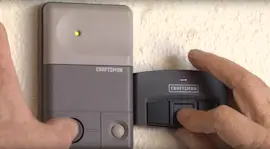
| Remote control / wall control | Opener will not run from controls | Lost remote, intermittent operation |
| Drive components (belt, worm gear) | Motor runs but door does not move | Worn gears, stripped drive |
| Emergency key release | Manual entry from outside | Garage has no access door |
If you are buying parts because the opener is acting up
Start with quick troubleshooting so you do not order the wrong part:
- Check the safety sensor alignment and make sure the sensor path is clear.
- Verify the door moves smoothly by hand (binding doors can mimic opener problems).
- Confirm the opener lights and any diagnostic flashes; then compare to Craftsman error codes.
- If the door stops or reverses, force and travel settings may need adjustment.
Why it matters
Ordering by model number and confirming the part description prevents compatibility problems, especially on items like receiver logic boards, wall controls, and drive parts where small design changes can affect fit and wiring.
Last updated: February 2026
What are the common problems with Craftsman garage door openers?
Common problems on the Craftsman 13953663SRT 1/2-hp garage door opener usually come from safety sensor issues (misalignment or blocked beam), remote or wall control problems (battery, wiring, antenna), and door travel or force settings that are out of adjustment. Our 13953663SRT owner's manual walks through the built-in tests and adjustments.
Most common issues we see
- Door will not close: safety reversing sensors are obstructed or misaligned; the opener lights may flash.
- Door reverses while closing: something breaks the sensor beam; the door stops and reverses to full open.
- Remote has short range or won’t work: weak battery, antenna not fully extended, or interference from metal doors or foil-backed insulation.
- Door won’t open completely: obstruction, travel limits need adjustment, or up force needs adjustment.
- Opener strains or needs maximum force: door is out of balance or springs are broken; do not increase force.
Quick checks you can do first (safe, fast)
- Look at both sensor indicator lights; if either is off, clear obstructions and realign the sensors.
- Clean and aim the sensors so the lenses face each other; keep the beam path unobstructed.
- Test remote battery and range; replace the battery if the test light is dim and confirm the opener antenna hangs fully down.
- Check for door binding; disconnect the trolley using the emergency release and move the door by hand.
- Re-test safety features after any adjustment (sensor test and safety reverse test).
What the symptoms usually mean
| Symptom | Most likely cause | What to do next |
|---|---|---|
| Door won’t close with remote | Sensor beam blocked or sensors misaligned | Clear beam, align sensors, verify indicator lights |
| Door closes only when holding wall button | Sensor is obstructed or misaligned | Align sensors; then re-test sensor operation |
| Opener hums briefly then stops | Door locked or springs/door problem | Disable lock; check door balance manually |
| Remote range is poor | Battery, antenna, or metal interference | Replace battery; extend antenna; reposition remote |
Why it matters
The safety reversing sensors and safety reverse system are designed to stop and reverse the door if something is in the way. Keeping sensors aligned and re-testing monthly helps prevent damage to the door system and reduces the risk of injury.
Last updated: February 2026
Is it cheaper to repair or replace a garage door opener?
For a Craftsman 13953663SRT 1/2-hp garage door opener, it’s usually cheaper to repair when the problem is simple (photo eyes out of alignment, remote battery, minor limit or force adjustment). Replacement makes more sense when the opener is older (typically 10 to 12+ years), has repeated failures, or repair costs start approaching the price of a new unit.
Quick cost and decision guide
- Repair is usually the better value when the door is mechanically sound and the opener just needs adjustment, a sensor fix, or a small electrical repair.
- Replace is usually the better value when the motor/drive system is failing, parts are worn in multiple areas, or you want newer safety and convenience features.
- Safety comes first: our manual stresses monthly safety-reverse checks and re-testing after any force/limit changes.
| Situation | Typical best choice | Why |
|---|---|---|
| Door will not close and lights blink, sensors misaligned/blocked | Repair | Fast, low-cost fix; often cleaning/realignment |
| Door reverses unexpectedly or stops short | Repair first | Often corrected with limit/force adjustment and safety test |
| Opener runs but door barely moves, grinding noises | Replace or major repair | Common sign of worn drive components or motor strain |
| Multiple issues in a short time (remote, sensors, travel, noise) | Replace | Stacking repairs usually costs more long-term |
What to check before you decide
Do a basic safety and balance check
- Operate only when the door is in full view and clear.
- Test the safety reversal system monthly.
- If the door is hard to lift by hand or feels unbalanced, the door hardware (springs/cables) needs professional service.
Try the common low-cost fixes
- Clean and align the safety sensors (photo eyes).
- Replace the remote battery (many openers use long-life lithium cells).
- Re-adjust travel limits and force; then repeat the safety reverse test.
Use the manual’s adjustment process
- Follow the adjustment steps in the owner's manual and re-test after each change.
Why it matters
A garage door opener decision is not just about price. A properly adjusted opener protects people and property by reversing when it should; the manual emphasizes re-testing after adjustments and checking the safety reversal system monthly.
Last updated: February 2026
What is the life expectancy of a Craftsman garage door opener?
A Craftsman garage door opener typically lasts 10 to 15 years. For your Craftsman 13953663SRT 1/2-hp garage door opener, lifespan depends most on door balance, correct force/limit settings, and consistent safety testing and maintenance as outlined in the owner's manual.
Typical lifespan and what changes it
Most openers reach end-of-life due to wear in the drive system, motor strain from a heavy door, or repeated safety-sensor and travel issues.
- Longer life: properly balanced door, smooth rollers/hinges, correct force and limit adjustments
- Shorter life: binding or sticking door, frequent reversals, harsh temperature swings, neglected lubrication
- High-cycle households (many opens/closes per day) wear parts faster than light-use garages
Maintenance that extends life (high impact)
We recommend focusing on the items that reduce load on the motor and prevent unsafe operation.
- Test the safety reversal system monthly and adjust as needed
- Keep the garage door properly balanced; a heavy door forces the opener to work harder
- Recheck force and limit settings after any door or opener adjustment
- Keep photo eyes aligned and clean (misalignment can cause repeated stops/reversals)
- Replace remote batteries when range drops (many lithium remote batteries last up to about 5 years)
Quick “replace vs. repair” guide
Use this as a practical decision tool when your 13953663SRT starts acting up.
| Symptom | What it usually means | Best next step |
|---|---|---|
| Door reverses or will not close consistently | Safety reversal, sensors, or force/limit settings need attention | Perform monthly safety test and adjust per manual |
| Opener strains, hums, or moves the door slowly | Door is out of balance or hardware is binding | Have the door serviced; do not adjust springs/cables yourself |
| Frequent need for re-adjustment | Door/hardware shifting, temperature effects, or worn components | Inspect door movement, then reset limits/force |
| Multiple recurring issues plus age 10+ years | Wear is accumulating across systems | Plan for replacement when repairs become frequent |
Why it matters
A garage door opener is designed and tested for safe service only when it is installed, operated, maintained, and tested correctly. A door that is out of balance may not reverse when required, which increases wear and creates a serious safety risk.
Related troubleshooting help
If you are seeing diagnostic flashes or error patterns, use our Craftsman error codes reference to narrow down the cause before replacing parts.
Last updated: February 2026