

Is 4.8 cubic feet a large capacity washer?
Yes. A 4.8 cu. ft. washer is considered large to mega capacity, which means it can handle bigger loads and bulky items with fewer cycles. For an Inglis ITW4871FW3 washer, that capacity is a strong fit for families and comforters when the load is balanced and not tightly packed.
What “large capacity” means in practical terms
Most washers are commonly grouped like this:
| Capacity (cu. ft.) | Common label | Best for |
|---|---|---|
| 3.0 to 3.9 | Compact/standard | Singles, couples, smaller loads |
| 4.0 to 4.4 | Medium-large | Mixed weekly laundry |
| 4.5 to 5.0 | Large/mega | Families, bulky items |
| 5.0+ | Extra-large | Very large households, frequent bulky loads |
How to get the best results from a 4.8 cu. ft. top-load washer
Capacity helps, but cleaning and spin performance still depend on loading and cycle choice.
- Load items loosely; don’t press laundry down into the basket.
- Keep the load balanced (mix large and small items).
- For comforters, use the bedding/bulky cycle if available and pause to redistribute if needed.
- Use the right detergent amount; too much can cause residue and odors.
- If the washer shakes during spin, stop and rebalance; worn suspension can also contribute.
Why it matters
A true large-capacity washer saves time and water by reducing the number of loads you run. It also reduces wear on fabrics because items have more room to move, especially during wash and rinse.
Related DIY help
If performance issues show up (not draining, not spinning, or heavy vibration), follow our step-by-step guidance in troubleshooting a top load washer that wont drain or spin video.
Last updated: February 2026
What is the life expectancy of an Amana washing machine?
Most Amana washing machines typically last 10 years with normal household use and basic maintenance. If you are comparing to your Inglis ITW4871FW3 washer, the same 10-year expectation is a solid benchmark for a straightforward top-load design, and repairs can extend service life.
Typical lifespan ranges
- Average: 10 years
- Common range: 8 to 12 years
- Heavy use (large family, daily loads): 6 to 9 years
- Light use (few loads per week): 12 years
What shortens washer life fastest
- Overloading the basket (strain on the drive system and suspension)
- Running unbalanced loads repeatedly (extra wear on dampers and tub support)
- Poor draining (pump strain, standing water, odor)
- Skipping routine cleaning (detergent residue, mildew, corrosion)
- Hard water buildup (valves, hoses, and internal deposits)
Parts that commonly decide whether a washer is “worth fixing”
On a top-load washer like the Inglis ITW4871FW3, these repairs often restore performance when the machine is otherwise in good shape:
| Symptom | Common wear area | Example part on this model |
|---|---|---|
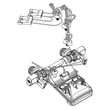
| Won’t spin or makes grinding noise | Drive and transmission components | Whirlpool washer drive pulley W10721967 |
| Loud banging or walking during spin | Suspension and tub support | Damper assembly W10780045 |
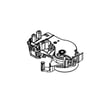
| Won’t lock or stops mid-cycle | Lid lock system | Washer lid lock W11307244 |
| Won’t drain | Drain pump or drain path restriction | Washer drain pump W10919003 |
Why it matters
Knowing the typical life expectancy helps you decide between maintenance, a targeted repair (like a lid lock or drain pump), or replacement. If your washer is near the 10-year mark, fixing a single failed part often makes sense when the tub and gear case are still in good condition.
Helpful DIY guidance
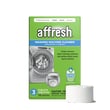
For maintenance habits that extend washer life (cleaning routines, load sizing, and preventing odor), use our guide: how to clean and maintain your washing machine.
Last updated: February 2026
What is the most common problem with whirlpool washers?
The most common Whirlpool-style washer problems are not draining or not spinning (clothes stay wet) and water leaks. On your Inglis ITW4871FW3 washer, these symptoms usually trace back to the drain system, lid locking, or drive components that control agitation and spin.
Most common symptoms and what they usually mean
- Washer won’t drain: drain hose kinked or clogged, pump obstruction, or a failing pump
- Washer won’t spin: lid lock not engaging, shift system issue, or drive/gearcase wear
- Leaking water: loose hose connections, cracked drain hose, or pump seepage
- Loud grinding or rattling: worn drive parts, loose hardware, or something caught near the pump
- Weak agitation or poor cleaning: worn agitator dogs or drive issues
Quick checks we recommend first (fast, no parts)
- Unplug the washer for 1 minute, then restore power (simple reset).
- Confirm the lid closes firmly and the strike lines up with the lock.
- Check the drain hose for kinks and make sure it is not shoved too far down the standpipe.
- Run a drain and spin with an empty tub to see if the problem is load-related.
- Redistribute the load (bulky items can stop spin and cause vibration).
Parts that commonly fix these problems on ITW4871FW3
If the basic checks point to a component failure, these parts are common solutions for this model:
| Symptom | Common fix | Part to consider |
|---|---|---|
| Won’t spin, lid-related errors, stops mid-cycle | Lid lock not sensing closed lid | Washer lid lock W11307244 |
| Won’t drain, humming during drain | Pump jammed or failing | Washer drain pump W10919003 |
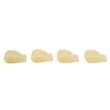
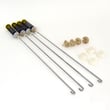
| Won’t agitate well, clicking in agitator | Worn agitator dogs | Agitator dog 80040 |
| Agitates but struggles to spin, burning rubber smell | Drive pulley worn | Whirlpool washer drive pulley W10721967 |
| Loud during spin, poor spin performance | Gearcase wear | Gear case assembly W11454741 |
Why it matters
Drain and spin problems can leave clothes soaking wet and can also strain the motor and gearcase. Leaks can damage flooring and lead to corrosion around the cabinet and wiring. Catching the root cause early usually keeps the repair smaller and less expensive.
For step-by-step troubleshooting that matches these symptoms, use our DIY guide: troubleshooting a top load washer that wont drain or spin video.
Last updated: February 2026