 Installation guide
 Owner’s manual
 Error Codes




How to do a hard reset on a GE dishwasher?
For the GE GLDT690T00WW dishwasher, a hard reset is a power reset: turn the dishwasher’s breaker OFF for 1 full minute, then turn it back ON. After power is restored, press and hold Start/Reset for about 3 seconds, then close the door to let the control clear.
Hard reset steps (power reset)
- Turn OFF the dishwasher circuit breaker (or unplug the unit if it has a cord).
- Wait 60 seconds.
- Turn the breaker ON (restore power).
- Press and hold Start/Reset for 3 seconds.
- Close the door and wait a moment; then try a cycle.
- If the control panel is unresponsive, the breaker reset is the fastest way to reboot the control.
- If the dishwasher starts draining right after you restart it, that is normal on many GE electronic models.
- If the unit was mid-cycle, you may need to reselect the cycle and options.
What to check if it still will not run
Use these quick checks before replacing parts:
- Confirm the door is fully latched; a door that is not latching can stop the cycle.
- Verify the kitchen breaker is not tripping again after reset.
- Make sure water supply is turned on; during installation testing, GE calls out verifying water and power are on.
- If the dishwasher will not drain after reset, check for a kinked drain hose or a blocked air gap/disposer inlet.
- Look for an error code and match it to the right GE list.
Common symptoms and likely next step
| Symptom after reset | What it usually points to | What we do next |
|---|---|---|
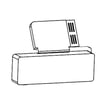
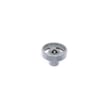
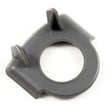
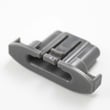
| Has power, will not start | Door not sensed closed | Inspect latch area; consider dishwasher door lock hook WD01X10429 |
| Stops and beeps, shows code | Control detected a fault | Use GE electronic dishwasher error codes |
| Won’t drain | Drain restriction or pump issue | Check hose/air gap; consider dishwasher drain pump WD26X10049 |
Why it matters
A hard reset clears a “stuck” control state after a power flicker, paused cycle, or keypad glitch. It is the safest first step before deeper troubleshooting on the GLDT690T00WW.
For model-specific control behavior and cycle cancellation steps, follow the GLDT690T00WW manual.
Last updated: February 2026
What is the average lifespan of a GE dishwasher?
A GE dishwasher typically lasts 10 to 12 years. For your GE GLDT690T00WW, regular cleaning, correct installation (level and fully enclosed), and fixing small issues early (drain, fill, door latch) are the biggest factors that keep it running longer.
What affects lifespan the most
- Water quality and detergent use (hard water and excess detergent increase buildup)
- Drain performance (standing water strains the drain system)
- Door closing and latching (a weak latch can stop cycles and cause leaks)
- Spray performance (clogged spray arms reduce cleaning and increase run time)
- Installation quality (leveling and proper drain routing prevent chronic problems)
Quick maintenance routine (keeps a dishwasher in the 10 to 12-year range)
- Rinse heavy food off dishes and avoid loading labels, toothpicks, or bones
- Clean the tub and wipe the door gasket area monthly
- Check that the racks roll smoothly and do not drift (a leveling clue)
- Run hot water at the sink before starting a cycle for better wash temperature
- Use rinse aid if you see spotting or slow drying
Installation details that matter long-term
Your installation guide calls out a few items that directly impact reliability, especially if you ever need service:
| Item | Good target | Why it matters |
|---|---|---|
| Leveling | Unit sits level; racks do not roll | Better wash performance and rack operation |
| Drain hose length | 10 ft max | Helps prevent weak draining |
| Enclosure | Fully enclosed at install | Reduces safety and fitment issues |
For the exact leveling method and drain setup requirements, follow the GLDT690T00WW installation guide.
Common “wear” parts that can shorten life if ignored
These are frequent trouble spots on many GE dishwashers, including GLDT690T00WW:
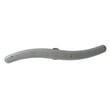
- Upper spray arm: cracks or clogs reduce cleaning (see dishwasher spray arm, upper WD22X10081)
- Drain pump: humming, slow drain, or standing water (see dishwasher drain pump WD26X10049)
- Door latch components: door not staying shut or cycle stopping (see dishwasher door lock hook WD01X10429)
Why it matters
Most dishwasher “end of life” failures start as small performance issues (not draining well, not cleaning, door not latching). Staying ahead of those problems usually costs less than replacing the dishwasher and helps you reach the normal lifespan.
Last updated: February 2026
What is the most common problem with a GE dishwasher?
For the GE GLDT690T00WW dishwasher, the most common problems we see are draining issues (water left in the tub), poor cleaning from spray problems, and start or run failures caused by door-latch or control-related issues. Many of these are fixed with basic cleaning, correct drain setup, or a targeted part replacement.
Most common issues and what to check first
- Not draining: check the sink/disposer connection and drain hose routing.
- Not cleaning well: check for blocked spray holes and loading that blocks spray.
- Won’t start or stops mid-cycle: confirm the door closes and latches firmly.
- Leaks: look for water at the front corners of the door and under the unit.
- No heat or poor drying: verify cycle options and water temperature at the sink.
Quick triage: symptom to likely cause
| Symptom | Most likely cause | What to do next |
|---|---|---|
| Standing water after cycle | Drain path issue (high loop/air gap/disposer plug) or pump problem | Verify drain setup; then inspect pump area |
| Dishes dirty, grit left behind | Spray arm blockage or wash system restriction | Clean spray holes; check for debris |
| Unit has power but won’t run | Door not latching or control not sensing door closed | Inspect latch area; check door switch |
| Water on floor | Door sealing issue or installation/leveling issue | Check level; inspect door edges |
Model-specific notes that prevent “false” drain problems
GE’s installation guidance is clear: improper drain height or leaving the disposer drain plug in place can cause a dishwasher to not drain. For GLDT690T00WW, confirm the drain hose has a proper high loop (or an air gap when required by code), and confirm the disposer inlet plug is removed if you connect there. Use the GLDT690T00WW installation guide for the correct drain methods and heights.
Parts that commonly solve these problems
If cleaning and drain setup are correct, these parts are frequent fixes on this model:
- Dishwasher drain pump WD26X10049 (when the unit hums but won’t evacuate water)
- Dishwasher spray arm, upper WD22X10081 (when upper rack items stay dirty)
- Dishwasher door switch WD21X24063 (when it won’t start because the door isn’t sensed as closed)
Why it matters
Drain and spray issues often look like “bad performance,” but they can be caused by a simple installation detail (drain loop/air gap) or a single failed component (drain pump, door switch). Fixing the root cause prevents repeat clogs, leaks, and cycle interruptions.
Last updated: February 2026
Can a clogged drain cause an FTD error?
Yes. On the GE GLDT690T00WW dishwasher, an FTD (fail to drain) error commonly happens when water cannot leave the tub because the drain path is restricted, such as a blocked filter area, kinked drain hose, or a clogged disposer or waste tee connection. See the drain setup details in the GLDT690T00WW installation guide.
What to check first (fast, no parts)
- Cancel the cycle and let the unit attempt to drain; listen for the drain pump running.
- Check the sink/disposer connection: clear the disposer inlet and confirm the knockout plug was removed (new disposer installs).
- Inspect the drain hose for kinks, crushing, or sagging that traps water.
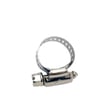
- Confirm the drain hose is clamped securely at the air gap, waste tee, or disposer.
- Verify the drain routing meets the required height: use an air gap or a high drain loop to prevent backflow.
Drain hose setup rules that affect FTD
Improper drain routing can mimic a “clog” because water siphons back into the dishwasher.
| Item to verify | What we look for | Why it matters |
|---|---|---|
| Total drain hose length | 10 ft max | Longer runs drain poorly and can trigger FTD |
| Backflow protection | Air gap or 32 in minimum high drain loop | Prevents dirty water from returning to the tub |
| Connection height | Air gap required if connection is under 18 in above the floor | Prevents siphoning and slow draining |
When a part is likely involved
If the hose and plumbing are clear but the dishwasher still will not drain, the drain pump or a related restriction is the next common cause.
- If you hear humming but little or no water movement, the pump may be jammed.
- If the unit drains slowly and leaves standing water, check for debris at the pump inlet.
- If the pump is silent during a drain command, check the door latch and controls.
A common replacement for drain failures is the dishwasher drain pump WD26X10049.
Why it matters
FTD is a protection signal; if water cannot be pumped out reliably, the dishwasher can stop mid-cycle, leave dirty water in the tub, and cause odors. Correct drain hose length, proper air gap or high loop, and a clear disposer connection prevent repeat drain errors.
Last updated: February 2026





