Installation guide
 Owner’s manual
 Error Codes


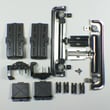
Can you still get parts for a Kenmore dishwasher?
Yes. We still support replacement parts for many Kenmore dishwashers, including model 66513044K115, as long as the part is still manufactured and available. Common service items like pumps, valves, racks, and heating components are typically obtainable using your exact model number and the part ID.
How to find the right part for 66513044K115
Use the model number 66513044K115 to match parts by diagram and description, then confirm fitment before ordering. The most reliable cross-check is the parts list and exploded views in the 66513044K115 owner's manual.
Key tips we use to prevent wrong-part orders:
- Match by model number first (66513044K115), not just “Kenmore dishwasher.”
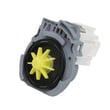
- Compare the part ID and description (example: dishwasher drain pump WPW10348269).
- If multiple versions exist, verify any notes about serial ranges or revisions in the manual.
- Replace related seals or grommets when you service pumps or hoses (helps prevent leaks).
- Keep your old part until the repair is complete, so you can compare ports, mounts, and wiring.
Parts that are commonly available for this model
Here are examples of parts we commonly see customers replace on Kenmore dishwashers like 66513044K115:
| Repair need | Example part for this model | What it affects |
|---|---|---|
| Not draining | Drain pump | Standing water at end of cycle |
| No fill or slow fill | Water inlet valve | Poor wash, no wash action |
| Poor cleaning | Spray arm, filter | Spray coverage, soil removal |
| No heat or poor drying | Heating element | Water temp, drying performance |
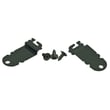
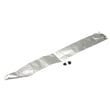
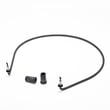
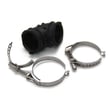
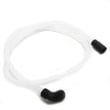
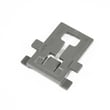
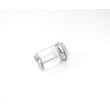
Examples from this model’s parts list include:
Why it matters
Kenmore dishwashers are often built with widely used components, so parts availability stays strong for common failures. Using the exact model number 66513044K115 ensures you get the correct OEM-style fit, electrical connections, and mounting points.
Last updated: February 2026
How do I tell if my dishwasher pump is bad?
If our Kenmore 66513044K115 dishwasher won’t drain, leaves standing water, makes grinding or buzzing noises, or runs but doesn’t circulate water well, the pump system is the first place we check. A quick drain test plus an inspection for clogs usually confirms whether the pump is failing.
Quick checks that point to a bad pump
- Water remains in the tub after the cycle ends (a common “will not drain” symptom).
- No draining sound during the drain portion of the cycle.
- Grinding, rattling, or loud buzzing from the sump area.
- Slow drain even though the sink drain/disposer is clear.
- Dishes stay dirty because wash water is not circulating strongly.
Step-by-step: confirm it’s the pump (not a blockage)
- Verify the dishwasher actually filled: start a short cycle; after about 2 minutes, unlatch, wait 5 seconds, then open and confirm there’s water in the bottom of the tub (this is a standard operational check in the installation guide).
- Check the easy drain restrictions:
- Make sure the disposer inlet knockout plug was removed (if connected).
- Look for kinks in the drain hose.
- Check for food obstructions in the drain path.
- Clean the filter area: a clogged filter can mimic a weak pump. If the filter is damaged or won’t clean up, replace the dishwasher filter W10872845.
What to test and what it means
| What you observe | Most likely cause | What we do next |
|---|---|---|
| Hums but won’t move water out | Jammed drain pump or debris in impeller | Clear obstruction; replace pump if damaged |
| Drains sometimes, then stops | Partial blockage or failing pump motor | Inspect hose and sump; test pump electrically |
| Won’t drain at all, no sound | No power to pump or failed pump | Check wiring/control; test pump motor |
If the drain path is clear and symptoms persist, replacing the drain pump is a common fix on this platform; the correct drain pump for this model is the dishwasher drain pump WPW10348269.
Why it matters
A weak or failed pump can leave dirty water in the tub, cause odors, and prevent proper cleaning and drying. Catching it early also helps avoid repeated cycle interruptions.
Last updated: February 2026
How do I tell what model Kenmore dishwasher I have?
Your Kenmore dishwasher’s model number is printed on the appliance ID label, and for Kenmore models like 66513044K115 it’s most often found inside the door opening on the inner door frame or along the tub edge. Use that exact model number when ordering parts and troubleshooting.
Where to look (fastest to slowest)
- Open the door and check the left or right inner door frame
- Look along the top edge of the door (inside the opening)
- Check the tub wall just inside the door
- If the label is worn, look on the side of the base frame behind the toe-kick panel
- As a last step, check paperwork such as your 66513044K115 owner’s manual
What the model number looks like
For this Kenmore platform, the model number is typically a long numeric string (often starting with 665). Write it down exactly as shown.
| Label item | Example for this dishwasher | Why you need it |
|---|---|---|
| Model number | 66513044K115 | Ensures correct fit for parts like racks, pumps, and controls |
| Serial number | (varies) | Helps identify production details for service |
Why it matters
Kenmore dishwashers can look similar across series, but parts are not always interchangeable. The correct model number helps us match components such as the dishwasher door latch WPW10653840 or dishwasher drain pump WPW10348269 to your exact build.
Tip for accurate parts matching
- Copy the model number character-for-character (no spaces)
- Take a clear photo of the label before it fades
- Use the model number when checking diagrams and troubleshooting steps in the installation guide
Last updated: February 2026
Is it worth repairing a Kenmore dishwasher?
Yes, repairing a Kenmore dishwasher like model 66513044K115 is worth it when the fix is a common wear part or a straightforward service issue; it is usually not worth it when the repair involves multiple major components or repeated leaks and electrical problems.
Quick way we decide: cost, age, and what failed
Use these checkpoints to make a clear call:
- Age: Dishwashers typically last 9 to 12 years.
- Repair cost: If the repair is under about 50% of replacement cost, repair is usually the better value.
- Failure type: Racks, hoses, valves, and filters are usually good repair candidates.
- Repeat symptoms: Multiple breakdowns in a year points toward replacement.
- Condition: Rusted racks, a damaged tub, or chronic odor and soil issues can reduce the value of repairing.
Common repairs that are usually worth it on 66513044K115
These are typical “high value” repairs because parts are accessible and the dishwasher can run like normal again:
- Replace a leaking fill valve: dishwasher water inlet valve WPW10327249
- Fix poor draining with a new pump: dishwasher drain pump WPW10348269
- Restore heating and drying performance: element assembly W10518394
- Improve cleaning by replacing a worn spray arm: dishwasher spray arm WPW10491331
- Address standing water and odor by servicing the filter: dishwasher filter W10872845
Repairs that often push the decision toward replacement
These repairs can be expensive or indicate bigger underlying problems:
| Issue | Typical cause | Usually best choice |
|---|---|---|
| No power, erratic cycles | Control or wiring problems | Compare repair cost vs. replacement |
| Persistent leaks | Sump seals, hoses, tub damage | Repair if single-source leak; replace if multiple |
| Poor wash plus loud grinding | Circulation pump or motor wear | Repair if otherwise in good shape |
Why it matters
A dishwasher repair is “worth it” when it restores safe, reliable washing and drying without starting a chain of follow-up failures. Using the correct troubleshooting steps and maintenance routine also prevents repeat clogs, leaks, and odor.
What to check before you buy parts
Follow the diagnostic and care steps in the 66513044K115 owner’s manual first; it covers cleaning, dishwasher care, and troubleshooting basics.
- Confirm the symptom (no drain, no heat, leak, poor cleaning)
- Check for clogs in the filter area and drain path
- Verify the door closes and latches consistently
- Run a test cycle after cleaning and reassembly
Last updated: February 2026