Owner’s manual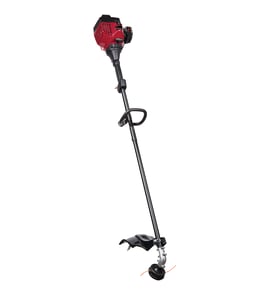




Is TrimmerPlus compatible with Craftsman?
Yes. TrimmerPlus attachments are commonly compatible with attachment-capable Craftsman gas trimmers, including Craftsman model 316711370, as long as the attachment connection style matches (typically a split-boom/coupler setup). For model-specific operating and attachment guidance, use the 316711370 owner’s manual.
We focus on the connection system, not just the brand name.
- Verify your trimmer has an attachment coupler (a clamp/knob coupler area on the shaft).
- Check that the attachment is designed for an “attachment-capable” powerhead.
- Match the drive connection style (square/hex/flexible drive cable style varies by system).
- Confirm the shaft style (straight shaft vs. curved shaft systems are not always interchangeable).
- Make sure the attachment’s required engine size and duty rating fits your trimmer.
Compatibility typically refers to the mechanical connection and drive interface, not guaranteed performance for every task.
| Check | What you’re looking for | Why it matters |
|---|---|---|
| Coupler present | Attachment-capable coupler on the trimmer shaft | Without it, attachments will not mount |
| Drive interface match | Same internal drive style | Prevents slipping, binding, or no-drive |
| Proper fitment | No excessive play when locked | Reduces vibration and premature wear |
Using an attachment that does not match the coupler or drive interface can cause poor cutting performance, excessive vibration, or damage to the shaft/coupler components. Confirming fit first helps protect the powerhead and keeps the trimmer safe to operate.
Last updated: January 2026
Can I use .095 trimmer line?
Yes, you can often use .095-inch trimmer line on a Craftsman 316711370 gas line trimmer if the cutting head is rated for that diameter. The only reliable way to confirm for this exact model is to match the line size listed in the Craftsman 316711370 owner’s manual.
Check the trimmer head section in the manual and verify both the line diameter and the recommended line type.
- Look for a spec such as .080, .095, or .105 inch
- Confirm whether the head is a bump-feed, fixed-line, or rapid-reload style
- Verify the maximum line diameter allowed (do not exceed it)
- Match the line shape if specified (round is the safest default)
- If the manual lists a specific pre-cut length or winding direction, follow it
Using line that is thicker than the head is designed for can overload the trimmer and reduce cutting performance.
| If you use line that is too thick | What you may notice |
|---|---|
| Head cannot feed line smoothly | Line stops advancing or jams |
| Engine is overloaded | Bogging down, stalling, or poor acceleration |
| Excess drag at the head | More vibration and faster clutch wear |
| Line rubs inside the head | Melting, fraying, or frequent breakage |
- Use quality line and keep it dry (wet line can swell and feed poorly)
- Do not overfill the spool; leave a little room for the line to move
- Trim to equal lengths on both sides after feeding
- Start with lighter cutting technique; let RPM do the work
Line diameter directly affects load on the clutch, drive shaft, and cutting head. Staying within the Craftsman 316711370 specification helps prevent feed problems and keeps the trimmer cutting efficiently.
Last updated: January 2026
How do you reload a trimmer spool?
To reload the trimmer spool on your Craftsman 316711370, we remove the spool cap, wind new trimmer line onto the spool in the direction shown on the spool (or head), then feed the line ends through the eyelets and reinstall the cap so the line can advance smoothly. See the Craftsman 316711370 owner’s manual for your exact head style.
- Shut the engine off and let the cutting head stop completely.
- Remove the spool cap (usually by pressing tabs or unscrewing the cap).
- Pull out the spool and clean debris from the head and eyelets.
- Cut a length of trimmer line (use the diameter recommended for your head).
- Anchor the line in the spool slot/hole, then wind it tight and even in the arrow direction.
- Feed the line ends through the eyelets, seat the spool, then reinstall the cap.
- Wind in the correct direction; reverse winding causes jams.
- Keep wraps neat; crossed wraps bind under load.
- Do not overfill; leave a little space below the spool rim.
- Make sure the line ends are equal length before reinstalling.
- Inspect eyelets for wear; sharp edges can cut the line.
| Item to verify | What you want | What happens if it’s wrong |
|---|---|---|
| Wind direction | Matches spool arrow | Line binds or won’t advance |
| Wrap tension | Tight, even layers | Line “dumps” or tangles |
| Spool fill level | Not overpacked | Cap won’t seat, feed fails |
| Eyelets | Smooth, not cracked | Line frays and breaks |
A correctly loaded spool reduces line breakage, improves cutting performance, and helps the bump-feed mechanism advance line consistently, which also reduces stress on the trimmer head.
Last updated: January 2026
Which is better, .080 or .095 trimmer line?
For the Craftsman 316711370 gas line trimmer, neither .080 nor .095 is automatically “better”; the right choice is the thickest line your specific trimmer head is designed to feed reliably. Use the line diameter listed for your head in the Craftsman 316711370 manual, then choose based on what you cut.
- .080 inch: cleaner edging and lighter trimming; tends to wear and break faster in thick weeds.
- .095 inch: more durable and better for heavier weeds; can reduce RPM on smaller engines and may feed less smoothly in some heads.
- Thicker line usually lasts longer per length, but it also increases load on the clutch, drive shaft, and head.
- If you frequently trim against fences, rocks, or concrete, durability matters more than diameter alone.
| Item | .080 line | .095 line |
|---|---|---|
| Best match | Light grass, routine edging | Taller grass, heavier weeds |
| Durability | Medium | Higher |
| Power demand | Lower | Higher |
| Feeding/winding | Usually easier | Sometimes harder (depends on head) |
We cannot identify the maximum supported line diameter for the Craftsman 316711370 from the model-specific information available here because line size is determined by the exact trimmer head configuration and any head replacements over time.
Use these practical checks before buying:
- Look on the trimmer head cap for a stamped/printed line size range.
- If the head lists a range, choose the largest size in that range for weeds, or the smaller size for edging.
- If the line binds, won’t feed, or the engine bogs, step down one size.
Using a line that is too thick for the head can cause poor feeding, extra vibration, and reduced cutting performance. Using a line that is too thin can waste time because it breaks and wears down quickly.
Last updated: January 2026