 Owner’s manual
 Error Codes




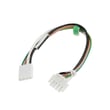
How to tell if a Kenmore refrigerator compressor is bad?
A bad compressor on your Kenmore 59677272790 bottom-mount refrigerator usually shows up as poor cooling with the unit trying to run, unusual compressor noises, or the compressor and fans not running when they should. First, rule out normal operating sounds and simple airflow or power issues using the owner's manual.
Quick checks before blaming the compressor
Many “compressor problems” are actually power, defrost, or airflow issues.
- Confirm the refrigerator is plugged into a live outlet and the breaker is not tripped.
- Make sure the temperature controls are set correctly (not turned off or set too warm).
- If the light works but the compressor and fans are off, wait about 40 minutes; it may be in a defrost cycle.
- Clean the condenser coils; dirty coils can cause long run times and warm temps.
- Check door gaskets for a tight seal; leaks make the compressor run more and cool less.
Signs the compressor is likely failing
These symptoms point more strongly to a compressor or sealed-system issue:
- Refrigerator and freezer stay warm even though the unit runs for long periods.
- The compressor repeatedly tries to start (clicking) but does not stay running.
- The compressor is very hot to the touch and cooling performance is still poor.
- You hear loud, abnormal buzzing, grinding, or hard knocking (not the normal hum).
- The breaker trips when the compressor attempts to start.
Normal sounds vs. problem sounds
Your model can make several normal noises during operation. Use this as a quick guide.
| Sound | Often normal? | What it usually means |
|---|---|---|
| Soft clicking | Yes | Control starting or stopping the compressor |
| Gurgling or popping | Yes | Refrigerant moving through the sealed system |
| High-pitched hum that cycles | Yes | Compressor running normally |
| Repeated click with no sustained run | No | Start issue or compressor not starting |
| Loud knocking or harsh buzzing | No | Mechanical compressor problem or failing start components |
Why it matters
A compressor is part of the sealed refrigeration system; when it is not running correctly, temperatures rise quickly and food safety becomes a concern. Doing the basic checks above prevents unnecessary sealed-system service and helps you pinpoint whether the issue is cooling airflow, defrost, or the compressor itself.
Parts and next steps
We recommend using the troubleshooting steps and sound descriptions in the owner's manual first, then searching your model number for the correct replacement parts and diagrams on Sears PartsDirect.
Last updated: February 2026
Are bottom mount fridges better?
A bottom-mount refrigerator like Kenmore model 59677272790 is better for many kitchens because the fresh-food section sits at eye and waist level, so everyday items are easier to reach. The tradeoff is that frozen foods are stored lower in a pull-out drawer, which some people prefer and others do not.
Bottom-mount vs. top-freezer: quick comparison
| Feature | Bottom-mount refrigerator | Top-freezer refrigerator |
|---|---|---|
| Fresh-food access | Easier (less bending) | More bending for fridge items |
| Freezer access | Lower drawer, more bending | Easier access to freezer |
| Organization | Wide freezer drawer, good for bins | Shelves, often simpler layout |
| Typical fit needs | Needs door swing clearance | Often fits tighter spaces |
When a bottom-mount is the better choice
- You cook often and use fresh foods daily (produce, dairy, drinks)
- You want less bending for the refrigerator compartment
- You like a freezer drawer that can hold larger, flatter items
- You prefer a cleaner, built-in look with the freezer hidden below
When it might not be better
- You access frozen foods more than fresh foods
- You want the simplest, most basic layout
- You have a tight corner install where door swing is limited
Installation details that matter for “better” day-to-day use
A bottom-mount can feel “better” or “worse” depending on how it’s installed and leveled. For this Kenmore refrigerator, we follow the spacing and leveling guidance in the owner's manual.
- Plan for about 1 inch of space above the refrigerator for ventilation
- If installed next to a fixed wall, allow about 2 1/2 inches minimum on the hinge side so the door can open 90°
- Level the refrigerator so doors align and close smoothly
- Avoid installing near heat sources or where temps drop below 55°F
Why it matters
Choosing the right configuration affects comfort, food visibility, and how often doors are opened longer than necessary (which impacts temperature stability). A bottom-mount layout usually improves fresh-food access, which is where most households spend the most time.
For replacement parts and diagrams for model 59677272790, start with the model parts list, or search by model on Sears PartsDirect.
Last updated: February 2026
Why is my Kenmore refrigerator leaking underneath?
On Kenmore model 59677272790, leaking underneath is usually caused by a defrost drain that’s clogged or frozen (water can’t reach the drain pan), or by a water supply connection that’s seeping on ice maker models. We use the owner's manual to confirm proper setup and leak-check steps.
Most common causes (and what to check first)
- Clogged/frozen defrost drain: Water backs up and spills to the floor.
- Cracked or overflowing drain pan: Water collects under the cabinet.
- Ice maker water line connection leak (some models): Slow drips can pool underneath.
- Kinked or loose copper tubing: Can leak when the refrigerator is pushed back.
- Door not sealing or unit not leveled: Excess frost can increase defrost water and overflow.
Quick troubleshooting steps
- Unplug the refrigerator before inspecting inside panels or moving it.
- Look for ice or standing water on the freezer floor or under the crisper area (points to a defrost drain issue).
- Pull the refrigerator out and inspect the drain pan for cracks and the area above it for drips.
- If you have an ice maker, inspect the water valve inlet connection and tubing; the manual calls out checking for leaks and correcting them.
- Re-level the refrigerator if needed; the manual’s checklist notes proper door sealing and leveling help prevent moisture problems.
Leak source guide
| What you see | Most likely cause | What to do |
|---|---|---|
| Water appears after defrost cycles | Defrost drain clogged/frozen | Thaw and clear the drain path; flush with warm water |
| Water only when ice maker is on | Water line or fitting seep | Tighten fittings carefully; recheck for leaks after 24 hours |
| Water always present in same spot | Drain pan cracked/shifted | Reposition pan; replace if damaged |
Why it matters
Water under a bottom-mount refrigerator can damage flooring and can also indicate airflow or defrost drainage problems that lead to ice buildup and warmer temperatures.
Parts and diagrams
We list model-specific diagrams and replacement parts for 59677272790 on the model page; for broader part searches by model number, use Sears PartsDirect.
Last updated: February 2026
What is the bottom part of a refrigerator called?
On a Kenmore 59677272790 bottom-mount refrigerator, the “bottom part” most people mean is the freezer compartment (the lower door and drawer area). If you mean the mechanical area underneath or behind the unit, that area typically houses the compressor and other cooling-system components.
Common meanings of “the bottom part”
Depending on what you’re looking at, the bottom area can refer to different refrigerator sections:
- Bottom-mount freezer: the lower compartment where frozen food is stored
- Machine compartment: the service area where cooling components (like the compressor) are located
- Bottom hinge and leveling hardware: parts that support the doors and help the refrigerator sit level
- Toe grille or lower cover (on some designs): a panel that helps protect the lower area and allows airflow
Quick identification guide
Use this to match what you see to the right name.
| What you see at the bottom | What it’s commonly called | What it does |
|---|---|---|
| Lower door/drawer where frozen food goes | Bottom-mount freezer | Stores frozen food and helps maintain freezer temperature |
| Warm, humming component near the back/bottom | Compressor (in the machine compartment) | Pumps refrigerant to move heat out of the refrigerator |
| Adjustable feet/legs or rollers | Leveling legs/rollers | Keeps the cabinet stable and doors aligned |
| Door pivot hardware at the bottom | Bottom hinge | Supports the door and allows it to swing properly |
Why it matters
Using the right name helps you troubleshoot faster and order the correct refrigerator parts. For example, “freezer not cooling” points to airflow, controls, or defrost issues, while “noise at the bottom/back” often points to the compressor area.
Where to confirm locations on this model
Our owner's manual shows key installation and operating details for this style of bottom-mount refrigerator, including space requirements, leveling points, and control locations.
If you’re shopping for replacement parts by model number, we recommend starting with the model-specific parts list, or searching by model on Sears PartsDirect.
Last updated: February 2026
What are the most common problems with Kenmore refrigerators?
The most common issues we see on Kenmore refrigerators like model 59677272790 are cooling problems, ice maker or water supply troubles, leaks, frost buildup, and unusual noises. Many of these start with simple checks like control settings, door gasket sealing, and condenser coil cleaning (see the owner's manual).
Common problems (and what to check first)
- Not cooling or warm temperatures: confirm the refrigerator is plugged into a live outlet and the controls are set correctly.
- Runs too often: clean condenser coils, check door gaskets for a tight seal, and avoid frequent door openings.
- Ice maker not working (some models): make sure the ice maker is turned on and the water supply is on.
- Water leaks or moisture: check door seals, wipe damp containers, and limit long door openings during humid weather.
- Frost buildup: check for doors not closing fully and gaskets not sealing.
- Noises: some fan and airflow noise is normal; foam insulation can make operating sounds seem more noticeable.
Quick troubleshooting table
| Symptom | Most likely cause | What we recommend |
|---|---|---|
| Refrigerator won’t run | Power issue or defrost cycle | Verify outlet and breaker; if in defrost, wait about 40 minutes for restart |
| Warm food | Controls, airflow, dirty coils | Adjust controls, avoid blocking vents, clean condenser coils |
| Condensation inside | High humidity or frequent openings | Wrap food, wipe containers, open doors less |
| Condensation outside | Door not sealing | Inspect and clean gaskets; confirm doors close squarely |
| Drawer won’t close | Misalignment or dirty tracks | Reposition drawer, clean channels, apply a thin layer of petroleum jelly |
Why it matters
Catching small issues early (like a weak door seal or dirty condenser coils) helps your Kenmore bottom-mount refrigerator hold safe food temperatures, reduces run time, and can prevent bigger failures such as compressor overheating.
Parts and documentation tips
- Use the troubleshooting steps and care guidance in the owner's manual first.
- When you are ready to replace parts, search by model 59677272790 on Sears PartsDirect to match the correct Kenmore components.
Last updated: February 2026





