Owner’s manual



What is the average lifespan of a Samsung dryer?
Most Samsung dryers, including the Samsung DVE52M7750V, typically last 10 to 15 years with normal household use. Consistent airflow maintenance (lint and vent cleaning) and avoiding overloads are the biggest factors that push lifespan toward the high end.
- Vent and lint restriction (overheats the heater and thermostats)
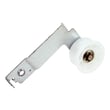
- Load size and cycle choice (heavy loads strain the drum belt, idler, and motor)
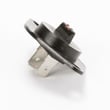
- Heat management (repeated overheating shortens sensor and safety-part life)
- Moisture and corrosion (laundry room humidity can affect wiring and controls)
- Routine cleaning (lint buildup inside the cabinet increases wear and heat)
We recommend these simple habits for the DVE52M7750V:
- Clean the lint screen every load.
- Check and clean the full vent path (dryer outlet to exterior hood) regularly.
- Keep loads to a reasonable size so the drum turns freely.
- Stop using the dryer if you notice burning smells, repeated shutdowns, or very long dry times.
- Use the care and cleaning steps in the DVE52M7750V owner’s manual.
| Part type | What you’ll notice when it’s failing | Why it matters |
|---|---|---|
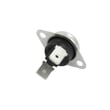
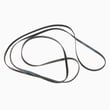
| Drum drive parts (belt, idler) | Squealing, thumping, drum not turning | Prevents motor strain and drum damage |
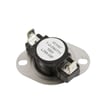
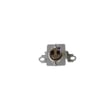
| Heating and safety parts | No heat, overheating, cycles stopping early | Protects the dryer from unsafe temperatures |
| Sensors | Clothes overdry or stay damp | Helps drying performance and efficiency |
A dryer that is restricted by lint or venting often runs hotter and longer than designed; that extra heat is the fastest way to shorten the life of key components such as the heater, thermostats, and sensors.
Last updated: February 2026
How to find part number for Samsung dryer?
For your Samsung dryer model DVE52M7750V, we use the model number to look up the correct part numbers in the parts list. On most Samsung dryers, the model and serial tag is on the front frame behind the door; if it’s missing or unreadable, a second tag is often on the back panel. For diagrams and identification details, check the DVE52M7750V owner’s manual.
- Open the dryer door and inspect the front frame (door opening) for the model/serial label.
- Write the model number exactly as shown (for this dryer: DVE52M7750V).
- If the label is damaged, check the back of the dryer cabinet for a second label.
- Use the model number to match the part in the correct section (heater, drum, controls, door, exhaust).
- Confirm the part by description and location in the diagram before ordering.
| What you see | What it means | What to do |
|---|---|---|
| Model number (example: DVE52M7750V) | Identifies the dryer version | Use it to find the correct parts list |
| Part number (example: DC93-00154A) | Identifies the replacement part | Order using the part number |
| Serial number | Production code | Helpful for service, not usually needed to shop parts |
If you’re troubleshooting heat or long dry times, these are common wear items for this model family:
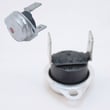
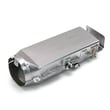
- Samsung dryer heating element assembly DC93-00154A (no heat, weak heat)
- Dryer thermistor DC32-00007A (temperature sensing issues)
- Dryer high-limit thermostat DC47-00018A (overheating protection)
Samsung often has multiple versions that look similar; using the exact DVE52M7750V model number helps ensure the heating system, drum parts, and control components match your dryer’s configuration.
Last updated: February 2026
Is it worth replacing a heating element in a Samsung dryer?
Yes, it’s usually worth replacing the heating element in a Samsung dryer like model DVE52M7750V when the dryer otherwise runs normally, because the part cost is typically far less than replacing the entire dryer. Before buying parts, we recommend confirming the no-heat problem is not caused by airflow restrictions or a blown thermal cut-off.
Replacing the heater is a good value when these conditions are true:
- The drum tumbles, the controls work, and the cycle runs, but there’s little or no heat
- The dryer is in good overall condition (no loud bearing noise, no burning smell, no repeated shutdowns)
- You have verified proper power supply for an electric dryer (a partial power loss can cause “runs but won’t heat”)
- You have checked airflow basics: lint filter, vent hose, and outside vent hood
A common related repair on this model is the heater safety circuit. If the dryer overheats from poor venting, it can open a thermal cut-off and mimic a failed element.
On DVE52M7750V, these parts are frequent “no heat” suspects:
- Dryer thermal cut-off thermostat DC47-00016A
- Dryer thermal cut-off fuse, 320-degree f DC47-00015A
- Dryer thermistor DC32-00007A
- House venting restriction (not a part, but the most common root cause)
| What you notice | More likely cause | Why |
|---|---|---|
| Runs, no heat, then stops early | Thermal cut-off opened | Overheat protection trips |
| Heat comes and goes | High-limit thermostat cycling | Temperature limit control |
| Long dry times, clothes still damp | Vent restriction or blower issue | Low airflow removes less moisture |
| Runs, no heat, everything else normal | Heating element failed | Heater coil open/broken |
A failed heating element is often a straightforward repair, but repeated no-heat failures usually point to airflow problems. Fixing the venting first helps protect the new heater and thermostats and restores normal drying performance.
Use the troubleshooting and checkpoints in the DVE52M7750V owner’s manual to confirm the symptom, then:
- Clean the lint filter and check the exhaust duct for kinks or crushing
- Inspect the outside vent hood for blockage
- If you use a multimeter, test the heater circuit components for continuity (with power disconnected)
- If the dryer is noisy, address mechanical wear first (belt, idler, rollers) so you do not invest in heat parts on a failing drum system
Last updated: February 2026