



How many horsepower is good for a snow blower?
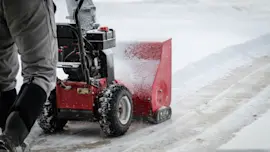
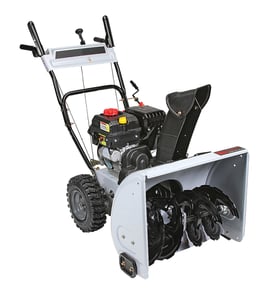
For a typical gas snowblower like the Sears 95052311-0, 5 to 8 HP is a solid fit for smaller driveways and lighter snow, 9 to 12 HP handles most average residential conditions (including wetter snow), and 12+ HP is best for large areas, deep drifts, and heavy plow berms where extra torque helps prevent clogging.
Quick sizing guide (HP and what it’s good for)
- 5 to 8 HP: small driveways, lighter snowfall, shorter run times
- 9 to 12 HP: most suburban driveways, moderate to heavy snow, better wet-snow performance
- 12+ HP: long driveways, frequent heavy snow, deep drifts, packed end-of-driveway berms
- If you have slopes: prioritize traction and drive condition as much as engine power
- If you get wet snow often: power helps, but chute and auger condition matter just as much
Why horsepower is only part of the decision
Horsepower mainly shows up as torque under load. If the machine bogs down, clogs, or struggles to keep the auger and impeller moving in heavy snow, you usually need more usable power or you need to restore the drive and auger system so it can transfer power efficiently.
Common “not enough power” symptoms that are really worn parts
| Symptom | Often caused by | What to check next |
|---|---|---|
| Auger slows or stops in snow | Worn/slipping belt | Inspect and replace the snowblower gas belt 585416MA |
| Poor drive, weak forward motion | Worn friction drive components | Inspect the friction wheel system and related pulleys |
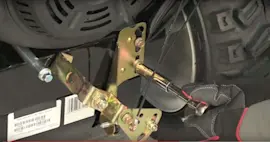
| Squealing, belt dust, inconsistent engagement | Idler not tensioning belt | Check the idler pulley 1502120MA for wear or binding |
| Excess vibration or uneven operation | Worn bearings, loose hardware | Check bearings and fasteners for play |
What we recommend for most homeowners
- Choose the right size for your snowfall and driveway length, not just the biggest engine.
- Keep the belt and idler system in good shape so the engine’s power reaches the auger.
- Clear snow in smaller bites in heavy or wet conditions (slower ground speed, partial-width passes).
- Maintain the machine so it runs at full output (fresh fuel, clean spark plug, correct oil level).
Why it matters
Right-sizing horsepower helps you avoid constant clogging and stalling, but a well-maintained auger and drive system often makes a “mid-HP” snowblower feel dramatically stronger in real snow.
Last updated: February 2026
How to tell year of 95052311-0 snowblower by serial number?
You can identify the build year of your Sears model 95052311-0 snowblower by decoding the serial number on the ID tag; most formats embed a month/day code plus a single digit for the year within a decade. Once you decode the date, match the decade by the machine’s features and any dated engine label.
Where to find the serial number
Look for an ID tag or sticker on common snowblower locations:
- Rear of the frame near the wheels
- Side of the auger housing
- Under the handle panel or control console
- Near the engine mounting area
- On the chassis close to the belt cover
If the tag is dirty or faded, wipe it clean and take a photo; zooming in usually makes characters easier to read.
How to decode the year from the serial number
Snowblower serial formats vary by manufacturer, but these patterns are common:
- Month/day + year-in-decade: one character indicates month, another indicates day, and a later digit indicates the year (for example, a “1” can mean 2001 or 2011 depending on the product generation).
- MTD-style date block (common on many snow throwers): a letter can represent the month (A = Jan through L = Dec), followed by digits for day and year-in-decade.
Quick decode checklist
- Write the serial number exactly as shown (letters and numbers)
- Identify any month letter (A through L) and the day digits
- Find the year digit (often the 5th character or within the first date block)
- Decide the decade by comparing design and parts style
How to choose the correct decade (2000s vs 2010s)
Because many serial numbers only show a single year digit, use these clues to place it in the right decade:
| What you check | What it tells you | Example outcome |
|---|---|---|
| Engine label or emissions sticker date | Often shows a printed year | Confirms 2011 vs 2001 |
| Parts style and hardware | Newer revisions often change pulleys, belts, and linkages | Helps narrow decade |
| Service history or purchase records | Gives a realistic earliest possible year | Confirms timeframe |
Why it matters
Knowing the correct year helps us match the right diagrams and replacement parts for your 95052311-0 snowblower, especially for wear items in the drive system and auger engagement.
If you’re already troubleshooting a drive issue while dating the unit, common wear parts to compare include the snowblower gas belt 585416MA and the idler pulley 1502120MA.
Last updated: February 2026
Should I use 87 or 91 for snowblower?
For the Sears 95052311-0 gas snowblower, we recommend using fresh 87-octane regular unleaded gas for normal operation. If you can buy ethanol-free fuel, that matters more than stepping up to 91; premium is mainly helpful when it is ethanol-free and you want to reduce carburetor gumming during storage.
What to use (and what to avoid)
- Use fresh unleaded gasoline (87 octane is the standard choice for snowblower engines).
- Choose ethanol-free fuel when available; it stores cleaner and helps prevent varnish in the carburetor.
- Avoid old gas (gas that has been sitting for weeks or months in a can).
- Avoid high-ethanol blends (commonly labeled E15 or higher).
- Add fuel stabilizer any time fuel may sit in the tank or can.
87 vs 91: quick comparison
| Option | When it makes sense | What you gain |
|---|---|---|
| 87 octane (regular) | Everyday snow clearing | Correct octane for most small engines; cost-effective |
| 91 octane (premium) | Only if it is ethanol-free or you store fuel longer | Cleaner storage, fewer deposits (not “more power”) |
Why it matters
Most snowblower engines are designed to run on regular fuel; octane is about knock resistance, not power. The bigger reliability issue is fuel quality and ethanol content, which can contribute to hard starting, surging, and carburetor clogging.
If your snowblower is hard to start or surges
Fuel-related problems often show up as rough running or stalling. Before replacing parts, check these basics:
- Drain and replace old fuel with fresh gas
- Inspect the fuel line and tank for water or debris
- Make sure the drive system is not binding (a slipping belt can mimic engine bogging)
- If the auger or drive is acting up, inspect wear items like the snowblower gas belt 585416MA and pulleys such as the idler pulley 1502120MA
Last updated: February 2026
What is the typical lifespan of a gas snowblower?
A typical gas snowblower lasts 10 to 20 years with normal use and consistent maintenance. For the Sears 95052311-0 gas snowblower, routine care (oil changes, belt and drive checks, and off-season storage) is what most often determines whether it lands closer to 10 years or closer to 20.
What most affects lifespan
- Maintenance frequency: fresh oil, clean fuel practices, and periodic lubrication
- Drive system wear: belts, pulleys, and friction drive components take the most abuse
- Storage conditions: dry storage reduces rust, cable seizure, and corrosion
- Snow conditions: heavy, wet snow and gravel driveways increase wear and impact damage
- Usage habits: avoiding overload and clearing jams safely prevents premature failures
Common “wear-out” parts that shorten performance first
If your snowblower still starts and runs well but does not move or throw snow like it used to, these are common culprits:
- Snowblower gas belt 585416MA (drive/auger performance issues)
- Idler pulley 1502120MA (belt tension and engagement)
- Friction pulley 1501158MA (self-propel/drive slipping)
- Roller chain 579868MA (power transfer wear or noise)
Repair vs. replace: a practical rule of thumb
Use this quick comparison to decide what makes sense.
| Situation | What it usually means | Typical next step |
|---|---|---|
| Starts and runs, but will not drive | Drive belt or friction drive wear | Inspect belt, friction pulley, linkage |
| Throws weakly, auger engagement inconsistent | Belt tension or pulley wear | Check belt and idler pulley |
| Multiple major issues at once | Higher total repair cost | Price out parts and labor before committing |
| Frame/auger housing heavily rusted or bent | Structural wear | Replacement often makes more sense |
Why it matters
A gas snowblower can run for decades, but snow-moving performance depends on the drive and auger systems staying tight and properly engaged. Replacing a worn belt or pulley on time often prevents secondary damage and keeps your Sears 95052311-0 clearing snow at full capacity.
Last updated: February 2026