Installation guide
 Owner’s manual
 Error Codes


What are the most common issues with WED7000DW1?
The most common problems we see with the Whirlpool WED7000DW1 electric dryer are no heat or poor drying, the drum not turning, unusual noise, and the dryer not starting. These issues usually trace to airflow restrictions, a failed heating or safety component, or worn drum support parts; use the WED7000DW1 owner's manual for model-specific operating checks.
- No heat or weak heat: failed heater or safety cutoff; also check for a clogged vent
- Takes too long to dry: restricted exhaust duct, lint buildup, or a weak blower wheel
- Won’t start: door switch not closing, thermal cutoff open, or a control or motor issue
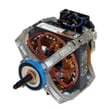
- Drum won’t tumble: broken belt, worn idler pulley, or motor problem
- Squealing, thumping, or scraping: worn rollers, idler, or drum support components
- Clean the lint screen and confirm strong airflow at the outside vent hood
- Verify the door closes firmly and the latch engages
- Try a timed dry cycle to rule out sensor-cycle settings
- Reset power by unplugging for 2 minutes, then retry
- If you have a multimeter, test safety devices for continuity with power disconnected
| Symptom | Common part to check | Example part on this model page |
|---|---|---|
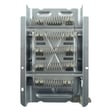
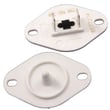
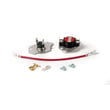
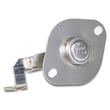
| No heat | Heating element, thermal cutoff, high-limit thermostat | Dryer heating element 279838, dryer thermal cut-off fuse kit 279816, dryer high-limit thermostat WP3977767 |
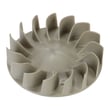
| Long dry times | Blower wheel, venting | Dryer blower wheel WP694089 |
| Won’t start | Door switch | Dryer door switch WP3406107 |
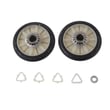
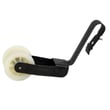
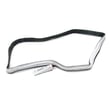
| No tumble or noise | Belt, idler pulley, roller hardware | Belt - 4 rib W11025122, dryer idler pulley WP691366, dryer repair kit 4392065 |
On an electric dryer like the Whirlpool WED7000DW1, poor airflow can overheat the heater housing and trip safety cutoffs; worn belt and drum support parts can stop tumbling and cause noise. Fixing the root cause helps prevent repeat failures.
Last updated: March 2026
What is the capacity of the wed7000dw1?
The Whirlpool WED7000DW1 electric dryer has a 7.0 cu. ft. drum capacity, which is designed to handle large loads (roughly more than three laundry baskets in one cycle). For cycle and loading recommendations specific to this model, use the WED7000DW1 user manual.
A 7.0 cu. ft. capacity is considered a large-capacity dryer. It helps reduce the number of loads you run and can improve drying results when you avoid overfilling.
- Best results come from loosely filling the drum, not packing it tight
- Bulky items (comforters, blankets) need room to tumble for airflow
- Mixed loads dry more evenly when you separate heavy and lightweight fabrics
- Overloading can cause longer dry times and more wrinkling
| Load type | Typical fit in a 7.0 cu. ft. dryer | Tip |
|---|---|---|
| Everyday mixed laundry | Large family-size load | Do not compress clothes |
| Towels | Medium to large load | Dry towels separately for best results |
| Bulky items | Usually 1 bulky item at a time | Add dryer balls to improve tumbling |
Capacity affects drying performance, energy use, and fabric care. When the drum is too full, airflow drops and the moisture sensor can struggle to read dryness accurately, leading to damp loads or extended run times.
If you are installing or relocating the dryer, correct venting and electrical hookup also impact performance. Follow the WED7000DW1 installation guide for the safest, most reliable setup.
Last updated: January 2026
What is the life expectancy of a Whirlpool dryer?
A Whirlpool electric dryer like model WED7000DW1 typically lasts about 10 years with normal household use. With consistent maintenance and good airflow (clean lint system and venting), it’s common to see 12 to 15 years of service before major repairs become more frequent.
- Average: ~10 years
- Well maintained / lighter use: 12 to 15 years
- Heavy use (large household, frequent loads): closer to 8 to 10 years
| Usage pattern | What changes most | Expected outcome |
|---|---|---|
| Light (few loads/week) | Less heat and motor runtime | Longer life |
| Average (most homes) | Normal wear on rollers, belt, heater | Around 10 years |
| Heavy (daily loads) | Faster wear on drum support, airflow parts | Shorter life |
- Restricted airflow from a clogged lint screen, lint chute, or vent duct
- Overloading the drum (extra strain on the drive system)
- Running high heat cycles constantly
- Skipping periodic vent cleaning
- Ignoring early symptoms (squealing, thumping, long dry times)
We recommend following the routine care steps in the WED7000DW1 user manual. Practical habits that make a real difference:
- Clean the lint screen before every load
- Check and clean the vent path regularly (especially if dry times increase)
- Keep the dryer level to reduce vibration and drum wear
- Avoid overloading; dry similar fabrics together
- Address noises early (rollers, belt, idler) before they damage other parts
A dryer can keep running past its “average” lifespan, but efficiency and safety depend heavily on airflow and wear parts. When dry times increase or the dryer starts making noise, fixing the root cause early often prevents bigger failures later.
Last updated: January 2026