Owner’s manual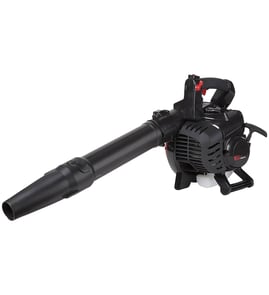



Which brand of gas leaf blower is best?
The “best” gas leaf blower brand depends on how you’ll use it (yard size, runtime, and whether you prefer handheld or backpack). If you already own a Craftsman 316794801, the best choice is keeping it running safely with correct maintenance and the right replacement parts listed in the owner's manual.
How we recommend choosing the best brand for your needs
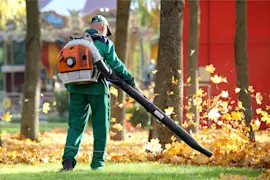
- Type: backpack for long sessions; handheld for quick cleanup
- Power: compare airflow (CFM) and airspeed (MPH) for your typical debris (wet leaves need more power)
- Weight and comfort: harness fit, vibration control, and balance matter more than peak power
- Starting and maintenance: easy access to the spark plug, air filter, and fuel system saves time
- Noise and neighborhood use: quieter units are easier to live with during frequent use
Quick comparison: what “best” usually means
| If you care most about... | What to prioritize | Typical best fit |
|---|---|---|
| Clearing large areas fast | Higher CFM/MPH, backpack harness | Backpack blower |
| Easy handling | Lower weight, good balance | Handheld blower |
| Long runtime | Comfortable harness, cruise control | Backpack blower |
| Lower upkeep | Simple tune-ups, easy parts access | Proven mainstream models |
Why it matters (especially for model 316794801)
A well-maintained blower often outperforms a “better brand” blower that is out of tune. Your Craftsman 316794801 manual calls out key safety and maintenance habits like disconnecting the spark plug before service and keeping the muffler area clean to reduce fire risk. Use the maintenance schedule in the owner's manual as your baseline.
Maintenance items that most affect performance
- Replace the spark plug on schedule (use the correct type for this model)
- Keep the air intake and air filter clean
- Inspect the muffler and spark arrestor area for buildup
- Check fuel cap sealing and fuel tank condition
- Tighten loose fasteners and replace damaged parts before operating
Last updated: February 2026
Are gas leaf blowers being phased out?
Yes. Gas leaf blowers like the Craftsman 316794801 are being phased out in many areas through local noise and emissions rules, and some places restrict when or where you can use them. The exact timeline depends on your city or state, so check your local ordinance and follow the operating guidance in the owner's manual.
What “phased out” usually means
Most phase-outs focus on use restrictions first, then sales restrictions in some regions.
- Limited operating hours (often daytime only)
- Noise limits (decibel caps) and enforcement complaints
- Restrictions for commercial landscaping crews before homeowners
- Seasonal rules (for fire season or air-quality days)
- Eventual limits on new gas equipment sales in some jurisdictions
How to stay compliant and reduce complaints
The manual for this model emphasizes safe, considerate operation; those same habits also help with local rules.
- Run the blower at the lowest speed that gets the job done
- Avoid early morning and late evening use; many ordinances target those hours
- Keep the muffler, air intakes, and air filter in good condition
- Use rakes or brooms first, then blow only what remains
- Direct debris away from people, pets, cars, and open windows
Quick comparison: gas vs battery (what changes for you)
| Feature | Gas leaf blower | Battery leaf blower |
|---|---|---|
| Typical restrictions | More likely | Less likely |
| Runtime | Longer per fill | Limited per charge |
| Maintenance | Fuel system, spark plug, muffler | Mostly battery care |
| Noise | Typically louder | Typically quieter |
Why it matters
If your area tightens rules, the biggest impacts are usually when you can operate and how strictly noise and exhaust are enforced. Keeping your Craftsman 316794801 tuned and using best practices helps you avoid downtime and extends the life of wear items like the spark plug.
Last updated: February 2026
How many cfm should a good leaf blower have?
A “good” leaf blower CFM depends on the cleanup job: most homeowners do well with about 400 to 700 CFM, while 200 to 400 CFM is fine for small patios and light debris, and 700+ CFM is best for large areas or heavier, wet leaves. For safe operation tips specific to your Craftsman 316794801, use the owner's manual.
Quick CFM guide (what to buy for the job)
- 200 to 400 CFM: small yards, garage, deck, dry leaves
- 400 to 700 CFM: typical residential cleanup, driveways, moderate leaf piles
- 700+ CFM: large properties, heavier debris, faster cleanup (often backpack units)
- Pair CFM with MPH: CFM moves volume; MPH helps “peel” stuck or wet debris
- Use the lowest speed that gets the job done to reduce noise and fatigue
CFM vs MPH: what matters most?
| Spec | What it tells you | Best for |
|---|---|---|
| CFM (air volume) | How much air the blower moves | Moving lots of leaves across open areas |
| MPH (air speed) | How fast the air stream is | Dislodging wet leaves and debris stuck in corners |
| Nozzle/tube setup | How focused the air stream is | Control and efficiency near the ground |
How to get better performance from the blower you already own
- Make sure the tubes/nozzles are installed and secure before starting
- Use the full nozzle extension so the air stream works close to the ground
- Loosen debris first with a rake or broom, then blow it into piles
- In dusty areas, lightly dampen surfaces to keep dust down
- Keep the muffler, air intakes, and air filter clean and unobstructed
Why it matters
Choosing the right CFM helps you finish faster with less effort. Too little CFM means repeated passes; too much CFM for a small area can be harder to control and louder, so matching airflow to your yard size and debris type gives the best results.
Last updated: February 2026
What is the gas oil mixture for a Craftsman leaf blower?
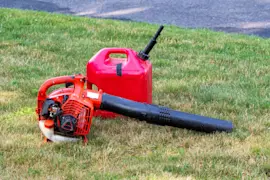
For the Craftsman 316794801 gas leaf blower, we use straight, fresh unleaded gasoline with no oil mixed in. This model uses a four-cycle engine with crankcase oil, so mixing oil into the gas can cause running problems and damage.
Correct fuel and oil setup
- Fuel: fresh, clean unleaded gasoline (avoid stale fuel older than about 60 days)
- Gas oil mix: none (do not add 2-cycle oil to the fuel)
- Engine oil: fill the crankcase separately; typical spec is SAE 30
- Check oil only with the engine off and cool, with the unit level on its stand
- If performance is poor, drain old fuel and refill with fresh fuel
Quick reference table
| Item | What to use | Where it goes |
|---|---|---|
| Gasoline | Unleaded | Fuel tank |
| 2-cycle oil | Do not use | Not applicable |
| Engine oil | SAE 30 | Crankcase (oil fill plug) |
Why it matters
Using the wrong fuel setup is one of the most common causes of hard starting, stalling, and carburetor issues. On a four-cycle blower like the 316794801, oil belongs in the crankcase, not in the gas.
Where to confirm specs
For the exact oil-check procedure, spark plug gap, and fuel guidance for your model, follow the owner's manual.
Last updated: February 2026
What is the life expectancy of a gas leaf blower?
A gas leaf blower like the Craftsman 316794801 typically lasts about 10 years with normal homeowner use and consistent maintenance. Keeping the engine, muffler area, and airflow paths clean, and servicing ignition and fuel components on schedule, is what most directly extends lifespan.
Typical lifespan and what changes it
Most gas blowers reach the 10-year mark when they are not run at full speed unnecessarily and are stored correctly.
- Use the lowest engine speed that still does the job (reduces wear and heat)
- Keep air intakes and filters clean so the engine runs cooler
- Keep the engine and muffler area free of grass, leaves, and carbon buildup
- Stop the engine when walking between areas instead of letting it idle
- Let the engine cool before storing or transporting
For model-specific maintenance intervals and safety steps, follow the owner's manual.
Maintenance items that most affect longevity
These are the parts and systems that most often determine whether a blower runs for years or starts becoming unreliable:
| System | What to do | What happens if ignored |
|---|---|---|
| Ignition | Replace the spark plug when starting gets harder | Misfires, hard starting, poor power |
| Fuel system | Avoid old fuel; keep the tank and cap sealing properly | Surging, stalling, fuel leaks |
| Airflow and cooling | Keep openings clear; do not operate with blocked airflow | Overheating, faster engine wear |
| Exhaust/muffler area | Keep muffler area clean; repair damage after impacts | Hot spots, reduced performance |
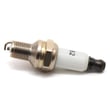
If you are doing tune-up work, the lawn & garden equipment spark plug 794-00082 is one of the common service parts used on this model.
Why it matters
A blower that runs hot, runs at high speed when it does not need to, or is stored with fuel in the tank tends to develop starting and performance problems sooner. Good airflow, clean components, and basic tune-ups keep the engine operating in its intended range and help you get the full expected service life.
Last updated: February 2026