Owner’s manual
 Error Codes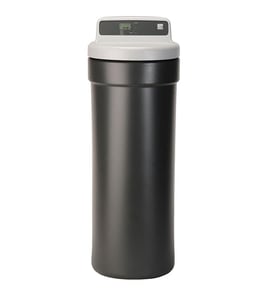

Is it worth repairing a water softener?
Yes, repairing a Kenmore water softener model 625383760 is usually worth it when the problem is isolated (no soft water, a leak at the valve, or a failed drive component) and the unit is otherwise in good condition. Many common failures are serviceable with targeted parts and basic maintenance steps in the 625383760 owner's manual.
Quick decision checklist
- Repair when the softener still regenerates normally (or almost) and the issue is a single symptom.
- Repair when you see a specific wear item causing trouble (seals, rotor/disc, motor, bypass leaks).
- Repair when the resin tank and brine tank are not cracked and the plumbing connections are solid.
- Replace when the unit has repeated failures in multiple areas (valve, electronics, leaks) within a short time.
- Replace when the resin is exhausted and the valve body is also worn or leaking.
- Replace when the softener has chronic hard water even after cleaning the nozzle and venturi.
Common repairs that are typically “worth it”
Many “no soft water” complaints come from brine draw problems or valve wear. The manual explains that a clean nozzle and venturi is required to move brine during regeneration; if it plugs with sand or silt, you get hard water.
- Clean the nozzle and venturi and inspect the screen and o-ring
- Break up a salt bridge (hollow space under crusted salt)
- Replace worn seals using the Kenmore water softener seal kit 7185487
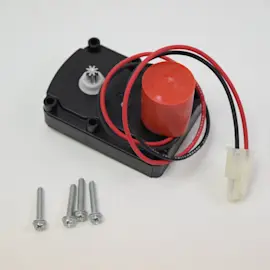
- Replace a stalled drive using the Kenmore water softener valve motor 7286039
- Address indexing issues with the water softener cam and gear 7283489
Cost-to-benefit guide
| Situation | Typical best choice | Why |
|---|---|---|
| Hard water after missed regenerations | Repair/maintenance | Often cleaning or setup related |
| Leaking at valve area | Repair | Seals and valve components are serviceable |
| Multiple leaks plus repeated drive faults | Replace | Stacked failures raise total cost |
| Resin exhausted and performance poor | Depends | Resin replacement can be a bigger job |
Why it matters
A properly working softener protects plumbing and water-using appliances from scale, and it reduces soap usage. When the nozzle and venturi or valve seals fail, the softener can stop drawing brine, so hardness minerals pass through and you lose those benefits.
Last updated: January 2026
What is the average life expectancy of a water softener?
Most water softeners last 10 to 15 years. For the Kenmore 625383760 water softener, regular care (keeping salt in the brine tank, preventing freezing, and cleaning key water-path components) helps you reach that typical lifespan and avoid early leaks or performance loss.
Typical lifespan and what usually wears out first
A water softener is a mix of a resin system (consumable media) and moving valve components (wear parts). Here is what we see most often:
- Resin media gradually loses capacity over time (it is considered expendable)
- Seals and gaskets can harden and start leaking
- Valve drive parts (motor, cam/gear) can wear or stall
- Nozzle/venturi area can clog and cause poor brine draw
- Bypass valve can leak or restrict flow if worn
| Component | What it affects | Common “end-of-life” symptom |
|---|---|---|
| Resin bed | Softening capacity | Hard water returns sooner than normal |
| Seals/gaskets | Leak prevention | Water leaking at the valve or tank connections |
| Valve motor/gear | Regeneration cycle | Unit stuck in regen or not regenerating |
| Venturi/nozzle path | Brine draw | Salt not used, brine tank stays full |
Maintenance that extends life (high impact)
We recommend these habits for the Kenmore 625383760:
- Keep salt above the water line and break up salt bridges
- Protect the unit and piping from freezing (freezing damage shortens life fast)
- Periodically clean the nozzle/venturi area if you notice slow or failed regeneration
- Check for small drips around the valve and fittings before they become a bigger leak
- Verify your hardness settings and timer features using the owner's manual
Parts that commonly restore performance instead of replacing the whole unit
If the softener is otherwise in good shape, these model-compatible parts often solve the most common wear issues:
- Kenmore water softener seal kit 7185487 (leaks, worn seals)
- Kenmore water softener valve motor 7286039 (stalled or noisy drive)
- Water softener cam and gear 7283489 (skipping, binding, incomplete cycles)
- Water softener venturi gasket 7204362 (brine draw issues after cleaning)
Why it matters
A softener that is nearing end-of-life often wastes salt and water during regeneration, or lets hard water through. Catching wear parts early can restore soft water and prevent leak damage.
Last updated: January 2026
What are signs that your water softener is going bad?
If your Kenmore water softener model 625383760 is going bad, hard-water symptoms return (spots, scale, poor soap lather) and the unit may struggle to regenerate (no brine draw, stuck cycles, error codes). Use the troubleshooting steps in the 625383760 owner's manual to narrow it down.
Common signs of a failing softener
- Hard water spots and scale buildup on fixtures and dishes
- Soap scum, dry skin, and shampoo that will not lather well
- Frequent recharges or unusually long recharge cycles (about 2-1/2 to 2-3/4 hours is typical)
- No soft water after a recharge because brine is not being drawn
- Display shows an error code or the cycle will not complete
- Water turns cloudy or rust-colored after sitting (clear-water iron behavior)
Quick checks we recommend first
- Confirm the unit is not in bypass (a bypassed softener always delivers hard water)
- Check for a salt bridge so water can contact salt
- Start a manual regeneration and verify:
- Brine draw (liquid level in the brinewell drops)
- Strong drain flow during backwash and fast rinse
- Run the diagnostic model code check; model 625383760 should show H 32
What the symptoms usually point to
| Symptom | Most common cause | Where to focus |
|---|---|---|
| Hard water everywhere | Bypass on, wrong settings, no regeneration | Bypass, programming, regeneration |
| Regenerates but still hard | No brine draw, venturi/nozzle issue, internal valve wear | Nozzle/venturi, seals, rotor/disc |
| Error code or stuck cycle | Drive system problem | Motor, cam and gear, position switch |
Parts often involved when regeneration is weak
- Water softener venturi gasket 7204362 (seals the nozzle and venturi area)
- Kenmore water softener valve motor 7286039 (drives the regeneration cam)
- Kenmore water softener seal kit 7185487 (addresses worn internal seals)
Why it matters
A softener that is not regenerating correctly lets scale build up in plumbing and appliances and can waste salt and water through repeated or incomplete recharge cycles.
Last updated: January 2026