Owner’s manual
 Error Codes


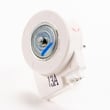
What is the most common problem with Samsung refrigerators?
Cooling complaints are the most common issue we see across Samsung refrigerators, including the Samsung RF217ACPN; symptoms range from warm fresh-food temperatures to a complete loss of cooling, often tied to airflow, frost buildup, or a fan/defrost problem. For model-specific operating checks and settings, use the RF217ACPN manual.
Most common issues (what customers notice)
- Fresh food section is warm but freezer seems OK
- Fridge or freezer not cooling at all
- Ice maker stops producing ice or makes small/hollow cubes
- Frost or ice buildup on the rear freezer wall (restricted airflow)
- Water leaking inside the fridge or pooling under drawers
Quick checks we recommend first (no tools)
- Confirm temperature settings and allow 24 hours after changes.
- Make sure vents inside the compartments are not blocked by food.
- Check door gaskets for gaps; close a dollar bill in the door and feel for drag.
- Clean dust from condenser coils and the condenser fan area (unplug first).
- Listen for the evaporator fan; if it is silent when the door switch is held, airflow may be the issue.
Symptom-to-likely-cause guide
| Symptom | Common cause | What to check next |
|---|---|---|
| Freezer cold, fridge warm | Airflow problem (evaporator fan, damper, frost) | Look for frost buildup and blocked vents |
| Both sections warm | Sealed system, compressor start components, control issue | Verify condenser fan runs, coils are clean |
| Ice maker not working | Water supply, filter restriction, ice maker fault | Check water line, filter age, ice bin jams |
| Water under crisper | Defrost drain restriction | Inspect for ice in drain trough |
Why it matters
Cooling and airflow problems can quickly lead to food spoilage and can also make the compressor run longer than normal. Catching a dirty coil, poor door seal, or early frost buildup often prevents bigger repairs.
Helpful DIY resources
- Why your Samsung fridge stopped making ice and how to fix it
- How to change the water filter in a Samsung refrigerator
Last updated: January 2026
Why is my Samsung fridge leaking from the bottom?
On the Samsung RF217ACPN bottom-mount refrigerator, leaking from the bottom is most often caused by a clogged defrost drain that lets meltwater overflow and run down into the fresh food section or out onto the floor. Less commonly, it is a water supply or filter housing leak.
Quick checks we recommend first
- Unplug the refrigerator or turn off power at the breaker before removing interior panels.
- Look for water under the crisper drawers (often points to a defrost drain issue).
- Check for ice buildup on the freezer floor (common when the drain is frozen or blocked).
- Inspect the water line connection at the back and the shutoff valve for drips.
- If your model has a water filter, check the filter seating and housing for seepage.
Most common cause: clogged or frozen defrost drain
During defrost, water should flow through the drain hole to the drain pan near the compressor. If the drain is blocked by ice or debris, water backs up and leaks from the bottom.
What to do (safe DIY steps):
- Remove food and bins as needed to access the drain trough area.
- Melt visible ice with warm (not boiling) water.
- Flush the drain hole with warm water using a turkey baster or squeeze bottle.
- Clear the drain tube gently with a flexible plastic tube or pipe cleaner (do not puncture the tube).
For model-specific panel removal and access notes, follow the steps in the RF217ACPN manual.
Other likely leak sources (and how to tell)
| Where you see water | Likely cause | What to check |
|---|---|---|
| Front bottom, intermittent puddle | Defrost drain restriction | Ice in freezer bottom, water under crispers |
| Back of fridge, steady drip | Water line or inlet valve seepage | Fittings, cracked tubing, mineral tracks |
| Near filter area, after filter change | Filter not seated or housing issue | Reinstall filter, check O-rings, cracks |
If the leak involves the filter or dispenser circuit, our guide how to change the water filter in a Samsung refrigerator helps prevent cross-threading and poor seating.
Why it matters
A recurring bottom leak can lead to ice buildup, odors, warped flooring, and temperature swings if water refreezes around airflow channels. Fixing the drain path early usually prevents repeat leaks.
Last updated: January 2026
What is the difference between force defrost RD and FD?
On Samsung refrigerator model RF217ACPN, the exact meaning of RD versus FD in forced defrost depends on the control board software and the specific service-mode legend for your unit; that legend is not identified in the model-specific information we have here. Use the abbreviations list and service-mode steps in the RF217ACPN manual to confirm what your display is calling each defrost option.
What RD and FD usually indicate (general Samsung convention)
On many Samsung refrigerators, the two-letter codes shown in service or forced-operation modes are shorthand for which defrost routine the control is trying to run.
- RD often refers to a refrigerator-side defrost routine (fresh food section)
- FD often refers to a forced defrost routine (a general defrost test step)
- The available steps and the order you see them can vary by board revision
- Some versions show only one defrost option, even if others show multiple
How to verify which one you have on RF217ACPN
Use the manual’s service-mode chart to match the code on your display to the function.
- Enter service/diagnostic mode using the key sequence listed
- Step through modes until you see RD or FD
- Confirm the code definition in the legend (not just the letters)
- Exit the mode exactly as instructed so normal cooling resumes
| What you see | What to do next | What you are confirming |
|---|---|---|
| RD | Match it to the manual legend | Which compartment or circuit is being defrost-tested |
| FD | Match it to the manual legend | Whether the control can initiate a forced defrost test |
Why it matters
Forced defrost is a diagnostic tool. Picking the correct defrost test helps you narrow issues like heavy frost buildup, warm fresh food temperatures, or an evaporator fan hitting ice.
For broader cooling and airflow troubleshooting, we also use diagnosing refrigerator evaporator fan problems video.
Last updated: January 2026