Owner’s manual
 Error Codes





What is the most common problem with LG dryers?
For the LG DLE7200WE, the most common issue we see is long dry times caused by restricted airflow, usually from a clogged lint filter or a blocked exhaust vent. When airflow drops, the dryer can run hotter, shut down, or trigger duct restriction warnings. See the venting and troubleshooting guidance in the DLE7200WE manual.
Quick checks that fix most “LG dryer problems”
- Clean the lint filter before every load; even a thin film from dryer sheets can restrict airflow.
- Check the outside vent hood while the dryer runs; you should feel strong, steady airflow.
- Inspect the vent run behind the dryer for kinks, crushing, or too many elbows.
- Avoid overloading; packed loads dry slowly and can confuse moisture sensing.
- If the dryer starts tumbling but clothes stay damp, confirm you are using a heated cycle (not Air Dry).
When it is not airflow: common symptom-to-cause guide
| Symptom | Most likely cause | What to do next |
|---|---|---|
| Takes too long to dry | Vent restriction or lint filter restriction | Clean filter and venting; shorten/straighten ducting if needed |
| Runs but no heat (electric) | Power supply issue or heater circuit problem | Verify correct power cord/terminal block wiring; then test heating components |
| Overheats or shuts off | Poor airflow or thermostat sensing a high temp | Fix venting first; then check thermostats/sensors |
| Beeps and won’t start | Control Lock enabled | Turn off Control Lock per the manual |
Parts that commonly relate to these problems on DLE7200WE
If airflow is good but performance is still poor, these model-compatible parts are often involved:
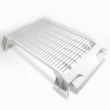
- Dryer lint screen by LG 5231EL1001C (damaged or clogged screen reduces airflow)
- Heater assembly 5301EL1001H (electric heat source when the dryer runs but won’t heat)
- Dryer high-limit thermostat 6931EL3003D (can open if temperatures get too high)
- Dryer thermistor AGM30045804 (temperature sensing for proper heat control)
Why it matters
Restricted airflow is the root cause behind many LG dryer complaints because it increases drying time, wastes energy, and can lead to repeated overheating protection trips. Fixing venting and lint filtration first prevents unnecessary part replacement.
Last updated: January 2026
Why is my LG dryer running but not heating?
If your LG dryer model DLE7200WE runs but doesn’t heat, the most common causes are a house power or gas supply issue, restricted airflow (lint screen or venting), or a failed heating component such as the heater assembly, thermostat, or thermistor. Use the DLE7200WE owner’s manual to follow the model’s heating and airflow checks.
Quick checks first (no disassembly)
- Confirm you selected a heated cycle (not Air Dry or a no-heat option).
- Clean the lint screen and make sure it seats fully.
- Check the outside vent hood while the dryer runs; airflow should be strong.
- For electric dryers: reset the double breaker (dryer can run with one leg of power but no heat).
- For gas dryers: confirm both the house gas shutoff and dryer gas shutoff valves are fully open.
Model-specific clues to watch for
Your DLE7200WE series uses LG’s Flow Sense™ duct restriction indicator. If you see high restriction bars or codes like d80/d90/d95, focus on venting first.
What the display can tell you
| Symptom | Likely cause | What to do next |
|---|---|---|
| Runs, no heat, no error | Power/gas/airflow or heater circuit issue | Do the checks above, then test heating parts |
| nP / PS / PF | Power cord or house power issue (electric) | Verify terminal block wiring and breaker |
| gAS | Gas supply off (gas model) | Open shutoff valves, verify other gas appliances |
| d80/d90/d95 or 4 bars | Vent restriction | Clean/repair venting before replacing parts |
Parts that commonly fix “runs but no heat” on this model
If airflow and power/gas are correct, these model-compatible parts are common suspects:
- Heater assembly 5301EL1001H (electric heat source)
- Dryer high-limit thermostat 6931EL3003D (opens if overheating occurs)
- Dryer blower thermostat 6931EL3002M (monitors blower housing temperature)
- Dryer thermistor AGM30045804 (temperature sensing for control)
Why it matters
A restricted vent can cause overheating, repeated thermostat trips, long dry times, and “no heat” symptoms. Fixing airflow first helps prevent repeat failures and protects the heater circuit.
Last updated: January 2026
What is the life of an LG dryer?
LG doesn’t publish a specific “expected lifespan” for the LG dryer model DLE7200WE, so we can’t confirm an exact number of years for this model. In practice, how long it lasts depends most on airflow, cleaning, and how heavily it’s used.
What matters most for DLE7200WE longevity
- Airflow and venting: restricted ducting makes the dryer run hotter and longer
- Lint control: a clogged lint screen slows airflow and increases strain on the heater and motor
- Load size: frequent overloading increases wear on moving parts
- Heat protection components: overheating can shorten the life of thermostats and sensors
- Routine cleaning: lint buildup inside and around the dryer can cause performance issues
For model-specific maintenance and venting requirements, follow the DLE7200WE owner’s manual.
Maintenance checklist (best practices)
- Clean the lint screen before every load
- Confirm strong airflow at the outside vent hood while the dryer runs
- Clean the vent duct periodically (more often if dry times increase)
- Keep the transition duct from getting crushed behind the dryer
- Use cycle settings that match the load; avoid repeated high-heat overdrying
If the lint screen is torn, warped, or won’t seat correctly, replacing it can help restore airflow; use the exact-fit dryer lint screen by LG 5231EL1001C.
Quick “wear vs. maintenance” guide
| What you notice | Common cause | What to do first |
|---|---|---|
| Long dry times | Vent restriction or lint buildup | Clean lint screen and check vent airflow |
| No heat | Heating circuit issue or airflow overheating protection | Verify airflow, then troubleshoot heating |
| Thumping/squealing | Worn rollers or idler pulley | Inspect drum support and belt path |
| Stops mid-cycle / codes | Sensor, airflow, or control issue | Note the code and check airflow |
If you’re seeing a code, our LG dryer error codes guide can help you narrow down the likely cause.
Why it matters
A dryer that can’t move air efficiently tends to run hotter and longer, which increases energy use and can shorten the life of key components like the heater assembly, thermostats, and motor.
Last updated: January 2026