Owner’s manual
 View engine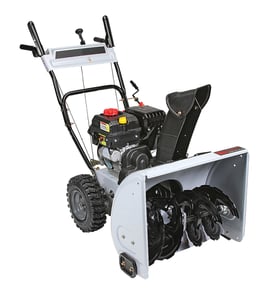



How many years should a snowblower last?
A Craftsman snow thrower like model 247888740 typically lasts 10 to 15 years with normal seasonal use and consistent maintenance. Keeping the drive system adjusted, replacing wear items on time, and doing annual oil and fuel care are the biggest factors in reaching that lifespan.
What affects lifespan the most
- Maintenance frequency: oil changes, lubrication, and fastener checks each season
- Fuel care: fresh fuel, correct stabilizer use, and proper off-season storage
- Snow conditions: heavy, wet snow and gravel driveways increase wear
- Operator habits: avoiding jams and not forcing the auger into packed ice
- Wear parts replacement: shear pins, scraper blade, cables, and friction components
Typical lifespan by usage pattern
| Usage pattern | What we typically see | What helps most |
|---|---|---|
| Light (few storms per year) | 12 to 15 years | Off-season storage and fuel care |
| Moderate (regular winter use) | 10 to 14 years | Annual tune-up and lubrication |
| Heavy (long driveway, frequent storms) | 8 to 12 years | Proactive wear-part replacement |
Maintenance checklist that extends life
- Change engine oil on schedule and check level before storms
- Inspect and replace shear pins when bent or missing (use the correct type)
- Keep skid shoes and scraper set correctly to avoid housing damage
- Lubricate moving points (auger shaft, chute rotation, wheel hubs)
- Check cable tension so the auger and drive fully engage without slipping
Why it matters
A snowblower usually fails early from neglected fuel, worn friction/drive components, or running the auger after a jam. Following the service intervals in the 247888740 owner’s manual helps prevent expensive gearbox and drive damage and keeps throwing performance consistent.
Last updated: January 2026
What is the most common problem with snow blowers?
The most common snowblower problem is a no-start condition. On the Craftsman 247888740 gas snow thrower, this is usually caused by stale fuel, a dirty carburetor, or ignition issues such as a worn spark plug; cold weather can also make starting harder.
Quick checks we recommend first
- Confirm the fuel is fresh and the fuel shutoff (if equipped) is ON
- Set the choke correctly for a cold start and verify the throttle is in the RUN/FAST position
- Inspect the spark plug boot for a tight connection
- Check the auger and drive controls are fully released before starting
- Look for packed snow or ice around the auger housing that could add drag
Most common causes and what they look like
| Symptom | Most likely cause | What to do next |
|---|---|---|
| Engine cranks but will not fire | Old fuel or varnished carburetor | Drain old fuel, refill with fresh fuel; clean the carburetor if needed |
| Starts then dies | Restricted fuel flow or dirty carburetor | Check fuel cap vent, fuel line, and carburetor bowl |
| Hard starting in cold temps | Thick oil or incorrect choke use | Use the starting steps in the 247888740 owner's manual |
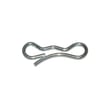
| Runs but will not move snow | Shear pin broken | Inspect and replace with the correct snowblower shear pin 738-04124A |
Why it matters
A snowblower that will not start is usually a fuel or ignition issue, and fixing it early prevents repeated pull-starting, plug fouling, and extra wear on the recoil starter and engine.
Helpful DIY guidance
If you want a step-by-step walkthrough for the most common no-start tune-up item, follow how to check a snowblower spark plug video.
Last updated: January 2026
How to read Craftsman snowblower serial number?
On Craftsman snow thrower model 247888740, we use the product identification label to read the model and serial information; the label is typically on the rear of the unit near the wheel area. Use the model number and serial number exactly as printed when ordering parts or checking specifications in the 247888740 owner's manual.
Where to find the identification label
Check these common locations on Craftsman snowblowers:
- Backside of the metal base between the left and right rear wheels
- Rear frame near the axle area
- Lower rear housing behind the engine (near the base)
- Side of the frame close to the wheels
How to read the numbers (what they mean)
Most labels include both a model number and a serial number.
- Model number: Identifies the exact snowblower configuration (used to match diagrams and parts lists).
- Serial number: Identifies the production run (used for correct revisions and manufacturing date ranges).
- Prefix letters: Some Craftsman labels include a letter prefix on the model number; record it if present.
Quick checklist before you write it down
- Copy every character in order (letters, numbers, and dashes)
- Take a clear photo of the label for reference
- If the label is dirty, wipe it gently so characters are readable
What to do if the label is hard to read
Try these steps to make the print stand out:
- Shine a flashlight across the label at a low angle
- Rub chalk or a pencil lightly over stamped/embossed characters, then wipe the surface
- Clean with mild soap and water; avoid harsh solvents that can remove printing
Why it matters
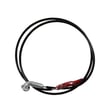
Using the correct model and serial information helps us match the right Craftsman parts for your snowblower, including wear items like a Craftsman snowblower shear pin 738-04124A and control components such as an auger clutch cable.
| You need | Use this from the label | Why |
|---|---|---|
| Parts lookup | Model number | Matches the correct parts diagrams |
| Correct revision | Serial number | Helps align to production changes |
| Manual specs | Model number | Ensures procedures and adjustments match |
Last updated: January 2026