Owner’s manual



How to tell if Samsung dryer thermal fuse is bad?
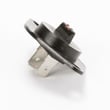
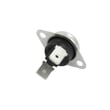
On your Samsung DV5471AGP dryer, a bad thermal fuse typically shows up as a dryer that will not start or runs with no heat. The sure test is a continuity check with a multimeter after disconnecting power; an open (no continuity) reading means the fuse is blown and must be replaced. See the owner's manual for access and safety guidance.
Quick symptoms to look for
- Dryer will not start at all (some models route power through the fuse)
- Drum tumbles but there is no heat
- Cycle stops early after a short run time
- Burning smell or unusually hot cabinet (often from restricted airflow)
- Repeated overheating issues after recent vent or lint buildup
How to test the thermal fuse (safe, reliable method)
- Unplug the dryer (or switch off the breaker); for gas models, also shut off the gas supply.
- Remove the necessary panel to reach the blower housing or heater duct area (location varies by build).
- Pull the wire connectors off the fuse terminals (do not test through the wiring).
- Set your multimeter to continuity or lowest ohms.
- Touch a probe to each terminal.
What the meter results mean
| Meter result | What it means | What to do next |
|---|---|---|
| Beep or near 0 Ω | Fuse is good | Check airflow, thermostats, and heat source controls |
| No beep, OL, or very high Ω | Fuse is blown | Replace the fuse and correct the overheating cause |
Fix the cause first (or it can blow again)
A thermal fuse usually opens because the dryer overheated. Before running the dryer again, we recommend:
- Clean the lint screen and lint chute
- Inspect and clean the vent duct to the outside (crushed hose and long runs are common problems)
- Confirm the outside vent hood opens freely
- Check the blower area for lint buildup; a damaged blower can reduce airflow
If you suspect poor airflow, the dryer takes a long time to dry guide helps you pinpoint venting and airflow restrictions.
Related parts that often get checked during “no heat” diagnosis
These parts on this model page are commonly involved in overheating or heat complaints:
Why it matters
The thermal fuse is a one-time safety device. Replacing it without correcting lint or vent restrictions often leads to repeat failures, longer dry times, and overheating that can damage other components.
Last updated: February 2026
Is it worth replacing a heating element in a Samsung dryer?
Yes. For a Samsung dryer like model DV5471AGP, replacing the heating element is worth it when the dryer otherwise runs normally (drum turns, controls work, no burning smell) because restoring heat typically costs far less than replacing the entire dryer.
When replacement is the smart move
We replace the heating element when the problem is clearly “no heat” or “weak heat” and the rest of the machine is solid.
- The dryer tumbles but clothes stay damp
- Cycles take much longer than normal
- You have strong airflow at the outside vent but little or no heat
- The dryer is in good overall condition (no loud rumbling, no repeated shutdowns)
- You can safely access and test components using the owner's manual
When you should look beyond the heating element
A no-heat complaint is often caused by restricted venting or a safety device opening due to overheating. We check airflow first.
- Clean the lint screen and lint screen housing
- Inspect the vent duct for crushing, kinks, or lint buildup
- Confirm the outside vent hood opens fully
- Watch for overheating signs (hot cabinet, burning odor)
- Check for diagnostic codes and match them using Samsung dryer error codes
Common related parts to consider (heat and airflow)
Heating problems can involve more than the element itself. These model-matched parts are common checks for DV5471AGP heat complaints:
| Symptom | Common check | Example part on this model |
|---|---|---|
| No heat or heat cuts out | High-limit thermostat | Dryer high-limit thermostat DC47-00017A |
| Erratic temps, under-drying | Thermistor | Dryer thermistor DC32-00007A |
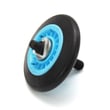
| Poor airflow, long dry times | Blower wheel | Dryer blower wheel DC67-00180B |
Why it matters
If venting is restricted, the dryer overheats and trips safety controls; that can shorten the life of a new heating element and keep dry times long even after the repair.
Last updated: February 2026
What's the average lifespan of a Samsung dryer?
Samsung dryers typically last 10 to 14 years. For your Samsung DV5471AGP, keeping airflow strong (lint screen and venting) and replacing common wear items when symptoms start (belt, rollers, thermostats) is what gets you to that lifespan.
Typical lifespan and what affects it
Most dryers wear out early for a few predictable reasons; many are preventable with routine care.
- Restricted venting causes overheating and long dry times
- Overloading strains the belt, motor, and drum support
- Lint buildup inside the cabinet increases heat and wear
- Running with abnormal noises accelerates roller and belt damage
- Skipping vent cleaning increases run time every cycle
Maintenance that helps you reach 10 to 14 years
These habits reduce heat stress and keep drying performance steady.
- Clean the lint screen every load and keep the lint screen housing clear
- Confirm strong airflow at the outside vent hood
- Clean the full vent run periodically (more often for long runs or many elbows)
- Avoid overfilling; clothes should tumble freely
- Stop using the dryer if you notice burning smells, squealing, or thumping
Common wear parts and what symptoms look like
| Symptom | Likely area | Example part on this model page |
|---|---|---|
| Squealing, thumping, rumbling | Drum support system | Dryer drum support roller DC97-07523B |
| Drum not turning, burning rubber smell | Drive system | Samsung dryer drum belt 6602-001655 |
| Overheating, shuts off mid-cycle | Safety temperature control | Dryer high-limit thermostat DC47-00017A |
| Long dry times with normal heat | Air movement | Dryer blower wheel DC67-00180B |
Why it matters
A dryer that takes longer to dry runs hotter and longer each cycle. That extra heat and run time speeds up wear on the motor, belt, rollers, and temperature controls, which cuts years off service life.
For model-specific cleaning intervals and care steps, follow the maintenance section in the owner's manual.
Last updated: February 2026
How to tell if a Samsung dryer heating element is bad?
Samsung model DV5471AGP is a gas dryer, so it does not use an electric heating element. If it is not heating, the problem is typically in the gas ignition and temperature-sensing system (gas valve coils, radiant sensor, thermostats, or airflow), not an element. Use the owner's manual for access and test points.
What you will see when a gas dryer has a heat failure
- Drum tumbles but clothes stay cool or take too long to dry
- Burner ignites briefly, then shuts off and will not re-ignite
- Heat works for the first few minutes only
- Dryer shuts down on high temperature or cycles heat erratically
- Weak airflow at the outside vent (can cause overheating and safety shutdowns)
Quick checks we recommend first
- Confirm airflow: Clean the lint screen and check for strong airflow at the vent outlet.
- Verify gas supply: Make sure the gas shutoff valve is fully open.
- Watch the burner (if safe to observe): A glow from the igniter followed by no flame points to an ignition or gas valve issue.
Parts to test on DV5471AGP when there is no heat
These parts are commonly involved in gas heat problems and are available for this model:
| Part to check | What it does | Common symptom when failing |
|---|---|---|
| Dryer radiant sensor DC32-00008A | Detects burner heat to control ignition sequence | Igniter glows but flame does not sustain |
| Dryer high-limit thermostat DC47-00017A | Safety cutoff if dryer overheats | No heat or heat cuts out, often with poor airflow |
| Dryer thermistor DC32-00007A | Monitors temperature for control board | Erratic temps, long dry times, heat cycling issues |
| Dryer gas valve DC62-00201A | Opens to allow gas to the burner | No flame even when ignition sequence starts |
Why it matters
Replacing an electric heating element will not fix a gas dryer. Correctly diagnosing the ignition and safety controls prevents repeat no-heat problems and helps protect components like the blower wheel and wiring.
Last updated: February 2026