Installation guide
 Owner’s manual
 Error Codes


Are Whirlpool dryers dependable?
Whirlpool dryers are dependable for everyday drying when they are installed correctly, vented properly, and maintained regularly. For the Whirlpool WED7000DW0 electric dryer, dependable performance also depends on meeting the electrical and location requirements in the WED7000DW0 installation guide.
What “dependable” looks like in real use
A dependable dryer consistently heats, tumbles, and shuts off correctly on sensor cycles. Most reliability complaints come from airflow restrictions, power supply issues, or normal wear parts.
- Dries a normal load in a typical cycle time without repeated re-runs
- Maintains steady heat without overheating or tripping safety devices
- Tumbles smoothly without squealing, thumping, or slipping
- Starts every time with the door fully closed and latched
- Shuts off at the end of automatic cycles (when installed and vented correctly)
Installation factors that affect reliability (WED7000DW0)
Your WED7000DW0 is designed for a dedicated electrical setup and a stable installation surface. These basics directly impact long-term dependability.
| Item | What to aim for | Why it matters |
|---|---|---|
| Electrical supply | Separate 30 amp circuit | Prevents nuisance trips and weak heating |
| Outlet location (cord setups) | Within about 2 ft of either side | Reduces cord strain and unsafe routing |
| Floor level | Max slope about 1 inch under the dryer | Helps proper tumbling and sensor-cycle operation |
| Room temperature | Above 45°F | Helps cycles end correctly and avoids long dry times |
Parts that commonly affect performance over time
These are normal wear items on many Whirlpool electric dryers. Replacing them when symptoms show up helps keep the dryer dependable.
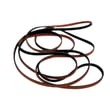
- Drum not turning or slipping: belt 341241
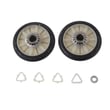
- Squealing or rumbling: dryer repair kit 4392065 (common wear components)
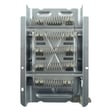
- No heat or weak heat (after verifying airflow and power): dryer heating element 279838
Why it matters
A dryer can seem “unreliable” when the real issue is restricted venting, an unlevel install, or worn drive components. Keeping airflow clear and replacing wear parts early protects drying performance and helps prevent repeat breakdowns.
Last updated: February 2026
What are the common problems with Whirlpool dryers?
Common Whirlpool dryer problems (including the Whirlpool WED7000DW0 electric dryer) are no-start issues, no-heat or long dry times, drum not turning, and unusual noise. Many of these trace back to power supply, airflow restrictions, or wear parts like the belt and drum support components; see the WED7000DW0 installation guide for model-specific electrical and venting requirements.
Most common symptoms and what they usually mean
- Dryer will not start: door not fully closed, start control not engaged, or power supply issue (breaker or fuse).
- No heat: one leg of 240V power missing, heating circuit problem, or a blown thermal cut-off.
- Takes too long to dry: restricted venting, crushed duct, lint buildup, or poor airflow.
- Not spinning / drum not turning: worn belt, failed idler pulley, or motor problem.
- Squealing, thumping, or scraping: worn rollers, idler pulley, or drum bearing surfaces.
Quick checks we recommend first (fast, high-impact)
- Confirm power: this dryer can have two fuses/breakers; if one trips, the dryer may run but not heat.
- Check the door closure: a failed door switch can prevent starting.
- Verify airflow: avoid flexible plastic or foil-type ducting; crushed or lint-packed venting causes long dry times and overheating.
- Run a short timed cycle test: after about 5 minutes, open the door and feel for heat.
Common parts involved (WED7000DW0)
| Symptom | Likely part area | Example part for this model |
|---|---|---|
| Drum not turning | Belt and idler system | Belt 341241, dryer idler pulley WP691366 |
| No heat | Heating circuit | Dryer heating element 279838, dryer thermal cut-off fuse kit 279816 |
| Will not start | Door interlock | Dryer door switch WP3406107 |
Why it matters
Power and airflow problems can mimic “bad parts.” Verifying the electrical supply and venting first prevents repeat failures (like thermal cut-offs blowing again) and restores normal drying performance faster.
Last updated: February 2026
How to remove dryer panel Whirlpool?
On the Whirlpool WED7000DW0 electric dryer, removing the control panel and top panel starts with disconnecting power, then releasing the console and top fasteners so you can access the front clips. Follow the disassembly sequence in the WED7000DW0 installation guide to avoid damaging the console and wiring.
Before you start (safety and prep)
- Unplug the dryer (or switch off the breaker) before removing any panels.
- Pull the dryer forward enough to work comfortably.
- Use a container for screws so none get lost.
- Protect the finish with a towel or cardboard where you’ll set parts.
Basic control panel and top panel removal steps
- Disconnect power.
- Access the console fasteners (location varies by revision); remove the screws securing the control panel.
- Rotate the control panel up carefully and support it so you do not strain the harness.
- Remove the screws securing the main top.
- Slide the top panel off (or lift it once released, depending on how the top is retained).
- If you’re removing the front panel, insert a flat-blade screwdriver between the upper and lower front panels to release the two retaining clips, then remove front fasteners.
What you can remove next (common service access)
| What you’re trying to reach | Panels typically removed first | Parts often involved |
|---|---|---|
| Drum and belt area | Top, front | Belt 341241, idler pulley, drum rollers (kit) |
| No heat / overheating checks | Rear or front (varies) | Heating element, thermal cut-off, high-limit thermostat |
| Won’t start (door issue) | Console/front access | Door switch |
Why it matters
Using the correct panel-removal order prevents broken plastic tabs, scratched finishes, and pinched wiring. It also makes it easier to reach common wear items like the drum belt and idler pulley without forcing the cabinet apart.
Last updated: February 2026
How many years should a Whirlpool dryer last?
A Whirlpool electric dryer like model WED7000DW0 typically lasts 10 to 13 years with normal household use. With consistent airflow maintenance (lint screen and venting) and avoiding overloads, it’s common to reach the upper end of that range.
Typical lifespan and what affects it
A dryer’s life is mostly determined by heat stress, airflow restriction, and wear on drum support parts.
- Vent restriction (long runs, crushed duct, too many elbows) increases heat and shortens component life.
- Overloading strains the belt, rollers, and motor.
- Skipping cleaning lets lint build up, raising temperatures and drying times.
- Frequent high-heat cycles accelerate wear on heating and safety components.
- Poor leveling can reduce tumbling performance and affect sensor cycles (noted in the installation instructions).
For model-specific operating and care guidance, follow the WED7000DW0 owner’s manual.
What “end of life” usually looks like
Most dryers don’t fail all at once; they show repeat symptoms tied to a few common systems.
| Symptom | Most common system involved | What we check first |
|---|---|---|
| Long dry times | Airflow/venting | Lint screen, vent path, outside hood |
| No heat | Heating circuit | House breakers/fuses (often 2), heater components |
| Squealing/thumping | Drum support | Rollers, idler, belt condition |
| Won’t start | Door/start circuit | Door switch, power supply, controls |
Parts that commonly determine “how long it lasts”
When a dryer is otherwise in good shape, replacing wear items can extend usable life.
- Belt 341241 (drum drive belt)
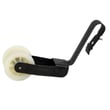
- Dryer idler pulley WP691366 (keeps belt tension)
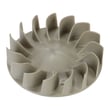
- Dryer blower wheel WP694089 (air movement)
- Dryer heating element 279838 (electric heat source)
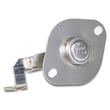
- Dryer thermal cut-off fuse kit 279816 (overheat protection)
Why it matters
A dryer that is vented correctly and kept clean runs cooler, dries faster, and puts less stress on the motor, belt, and heating system. The installation instructions also warn that overly long venting reduces performance and can shorten dryer life.
Last updated: February 2026