Owner’s manual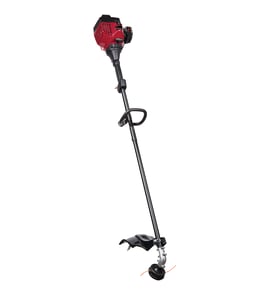




Which is better, .080 or .095 trimmer line?
For the Craftsman 316711200 gas line trimmer, .095-inch trimmer line is usually the better choice for thicker weeds and longer runtime between break-offs; .080-inch line cuts well for lighter trimming but typically wears and snaps faster. Always confirm the maximum line size your trimmer head supports in the 316711200 owner’s manual.
How to choose the right diameter
Use line diameter to match the job and reduce frustration from constant re-feeding.
- Choose .095 for heavy grass, weeds, fence lines, and edging where the line hits hard surfaces.
- Choose .080 for lighter grass and detail trimming where you want easier line feed and less load.
- If your trimmer bogs down or stalls more often, stepping down to .080 can reduce engine load.
- If the line keeps breaking at the head, stepping up to .095 can improve durability.
- Do not exceed the trimmer head’s rated diameter; oversized line can cause poor feed and extra wear.
Quick comparison
| Feature | .080 line | .095 line |
|---|---|---|
| Best for | Light trimming | Heavy trimming |
| Durability | Lower | Higher |
| Engine load | Lower | Higher |
| Line feed reliability | Often easier | Can be harder if head is not rated |
Why it matters
Using the correct diameter helps your Craftsman 316711200 cut efficiently without overloading the engine or causing constant line breaks, jams, or poor bump-feed performance.
If line keeps breaking or won’t feed
These checks help regardless of whether you run .080 or .095:
- Wind the line evenly and do not cross-wrap it on the spool.
- Replace old, brittle line (heat and sun can dry it out).
- Clean debris from the trimmer head and eyelets.
- Verify the spool and cap are seated correctly.
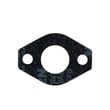
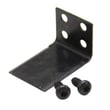
- Inspect fasteners if the head feels loose; replace a damaged fastener such as the screw 7039 if needed.
Last updated: January 2026
What is the difference between a whipper, snipper, and a line trimmer?
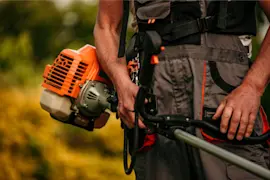
A “whipper snipper,” “snipper,” and “line trimmer” are usually different regional names for the same tool type. Your Craftsman 316711200 is a gas line trimmer (string trimmer) that cuts grass and light weeds using a fast-spinning nylon line; some trimmers can also accept other cutting heads.
Quick definitions (what people mean)
- Line trimmer / string trimmer: Uses nylon line to trim grass and edge along sidewalks.
- Whipper snipper: Common name in some regions for a line trimmer; often still nylon line.
- Snipper: Informal shorthand; typically refers to the same string-trimmer style tool.
- Brushcutter (related tool): Heavier-duty unit that may use metal blades for thick brush.
What matters for Craftsman 316711200
For the 316711200, the key difference is not the nickname; it is whether your cutting system is set up for nylon line versus a blade-style attachment. We recommend confirming the approved cutting head and line size in the 316711200 owner’s manual.
Typical capability comparison
| Term people use | Typical cutting method | Best for |
|---|---|---|
| Line trimmer / string trimmer | Nylon line | Grass, light weeds, edging |
| Whipper snipper / snipper | Nylon line (most common) | Same as above |
| Brushcutter (related) | Metal blade or heavy line | Thick weeds, brush, saplings |
Why it matters
Using the wrong cutting head, line diameter, or hardware can cause poor cutting, excess vibration, and faster wear on the trimmer head, drive components, and fasteners.
Parts note (when you are servicing the head)
If you are tightening or replacing small fasteners during maintenance, match hardware by model to avoid thread or length issues. One example hardware item listed for this model is the screw 7039.
Last updated: January 2026
What is the best rated gas trimmer?
The “best rated” gas trimmer depends on what you need most (power, weight, durability, or ease of starting). For your Craftsman model 316711200, we cannot rank it against other brands from model-specific information alone, but we can help you compare features and keep your trimmer performing at its best using the 316711200 owner’s manual.
How we recommend choosing the best gas trimmer
Look for the combination that matches your yard size and how often you trim:
- Engine size (cc): more cc typically means more cutting power for thick weeds
- Shaft type: straight shafts usually reach under shrubs better; curved shafts can feel lighter
- Cutting swath: wider swath trims faster but can be harder to control in tight areas
- Feed type: bump-feed is common; fixed-line heads are simple and durable
- Vibration and balance: important for longer trimming sessions
- Serviceability: easy access to air filter, spark plug, and fuel lines
Quick comparison: what “best rated” usually means
| If you care most about... | Prioritize | Typical tradeoff |
|---|---|---|
| Heavy weeds and fast cutting | Higher cc, straight shaft | More weight, more vibration |
| Comfort and control | Lower weight, good balance | Slower in thick growth |
| Reliability | Proven engine design, easy maintenance | Higher upfront cost |
| Easy starting | Quality carburetion, fresh fuel practices | Requires consistent upkeep |
Keeping your Craftsman 316711200 running like a top-rated trimmer
Even a highly rated trimmer will feel “bad” if basic maintenance slips. We recommend:
- Use fresh, properly mixed fuel (for 2-cycle models) and do not store fuel long-term
- Clean or replace the air filter on schedule
- Inspect the spark plug and set/replace as needed
- Keep the cutting head clear of wrapped grass and debris
- Tighten loose fasteners; replace missing hardware such as the screw 7039
Why it matters
Choosing the right gas trimmer is about matching power and ergonomics to your workload. Proper maintenance (fuel, air, ignition, and fasteners) is what keeps performance consistent season after season.
Last updated: January 2026
Do trimmer plus attachments work with Craftsman?
Yes, TrimmerPlus attachments can work with a Craftsman trimmer when the power head is a TrimmerPlus-compatible “attachment-capable” design. For Craftsman model 316711200, compatibility depends on whether its shaft/coupler matches the TrimmerPlus connection style shown in the 316711200 owner’s manual.
How to confirm compatibility on Craftsman 316711200
We recommend verifying the connection type before you buy an attachment:
- Check for a split-shaft coupler (a clamp-style collar) between the engine and the shaft
- Look for a release button or locking pin that indexes the attachment shaft
- Confirm the attachment shaft diameter and drive style match your trimmer’s coupler
- Verify the attachment seats fully and the coupler tightens securely
- Compare any “attachment-capable” wording or diagrams in the manual
What “compatible” usually means (across Craftsman trimmers)
Most TrimmerPlus-style systems are designed around a universal coupler concept, but not every Craftsman trimmer uses that system.
| If your trimmer has… | Then TrimmerPlus attachments… |
|---|---|
| A coupler between power head and shaft | Often fit, if the coupler style matches |
| A one-piece straight shaft with no coupler | Typically do not fit |
| A proprietary brand-specific connection | Typically do not fit |
Why it matters
Using an attachment that does not match the coupler can cause poor engagement (no drive), vibration, or damage to the shaft connection. Confirming fit first helps protect the drive system and keeps trimming and edging safe and smooth.
Last updated: January 2026
How to replace trimmer head on Craftsman Weedwacker?
To replace the trimmer head on a Craftsman 316711200 gas line trimmer, we lock the shaft, unthread the old head (most heads loosen by turning clockwise because they use left-hand threads), then thread the new head on by hand to avoid cross-threading and tighten it securely.
Before you start (safety and setup)
- Shut the engine off and let it cool completely.
- Disconnect the spark plug wire so it cannot start accidentally.
- Wear gloves and eye protection; trimmer line and debris can cut.
- Clean grass and dirt from the head area so threads seat correctly.
- Keep a small screwdriver or locking pin handy for the shaft-lock hole.
Steps to remove and install the trimmer head
- Lock the shaft: Insert a screwdriver/pin into the shaft-lock hole to keep the head from spinning (see your 316711200 owner’s manual).
- Remove the old head: Turn the head clockwise to loosen if it has left-hand threads (common on many Craftsman trimmers). If it does not move, stop and confirm thread direction in the manual.
- Inspect threads: Check the output shaft threads for damage, packed debris, or melted plastic.
- Install the new head: Start threading by hand for several turns. If it binds early, back off and restart to prevent cross-threading.
- Tighten: With the shaft locked, snug the head firmly by hand (or per the manual’s guidance). Remove the locking pin.
Quick troubleshooting if the head will not come off
| Symptom | Likely cause | What we do |
|---|---|---|
| Head spins but won’t loosen | Shaft not locked | Reinsert locking pin fully |
| Won’t budge | Debris or overtightened | Clean, then use steady pressure (no hammering) |
| Threads feel rough | Cross-threading or damage | Stop and inspect shaft/head threads |
Why it matters
A trimmer head that is cross-threaded or installed in the wrong direction can loosen during use, damage the output shaft, and cause excessive vibration. Correct thread engagement protects the gearbox and keeps line feeding consistent.
Last updated: January 2026
Why is my Craftsman Weedeater not starting?
If your Craftsman gas line trimmer model 316711200 will not start, the most common causes are stale fuel, a flooded engine, restricted airflow (dirty air filter), or ignition/fuel delivery issues. Start with the quick checks and the starting procedure in the 316711200 owner’s manual.
Quick checks (fastest fixes first)
- Verify the STOP/OFF switch is set to ON/RUN.
- Use fresh, properly mixed fuel (old fuel is a top no-start cause on 2-cycle trimmers).
- Prime correctly; if you smell heavy fuel, the engine may be flooded.
- Check the air filter; a clogged filter can make the engine run too rich and refuse to start.
- Inspect the spark plug boot for a tight connection.
- Make sure the throttle trigger/lockout is being held as required for starting.
If the engine is flooded
- Move the choke to RUN/OFF (or open position).
- Hold the throttle wide open.
- Pull the starter rope several times until it tries to fire.
- If needed, remove and dry the spark plug, then retry.
What to check next (fuel, spark, air)
| What you check | What you are looking for | What it usually means |
|---|---|---|
| Fuel in tank | Fresh mix, not varnish-smelling | Old fuel can prevent starting |
| Air filter | Dirty, oil-soaked, or plugged | Too little air, overly rich mixture |
| Spark plug | Wet, fouled, cracked insulator | Flooding or weak ignition |
| Primer bulb/fuel lines | Cracks, leaks, no fuel movement | Fuel delivery problem |
Parts note for this model
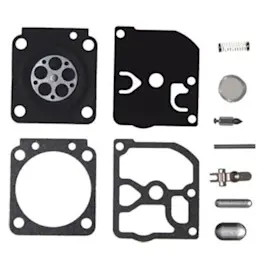
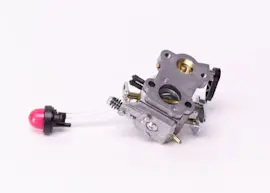
For model 316711200, the only model-matched part we can confirm from the provided parts list is a mounting fastener: screw 7039. If you are chasing a no-start issue, browse the compatible parts list for ignition and fuel system components (spark plug, carburetor parts, fuel lines, air filter) that match your exact build.
Why it matters
A no-start condition is usually a simple fuel/air/spark imbalance. Fixing the root cause prevents repeated flooding, hard starting, and premature wear on the starter assembly.
Last updated: January 2026
What size trimmer line for Craftsman?
For the Craftsman 316711200 gas line trimmer, the exact trimmer line diameter is not identified by the model-specific information we have available for this model. The most reliable way to match the correct line size is to confirm the diameter specified for your trimmer head in the 316711200 owner’s manual.
How we recommend confirming the correct line size
Use these checks so the head feeds properly and you avoid jams:
- Check the trimmer head cap, bump knob, or guard label for a printed line diameter (in inches or mm).
- Look for a stamped or molded size marking on the spool or head housing.
- Confirm the head style (bump feed, fixed line, or other); line size limits vary by head.
- If the head jams or will not feed, the line is often too thick or wound incorrectly.
- If the line breaks too easily, move up in durability only within the head’s allowed diameter.
Common trimmer line diameters (general guidance)
These are typical sizes used across many Craftsman string trimmers; confirm your 316711200 spec before buying.
| Line diameter | Best for | What you may notice |
|---|---|---|
| 0.065 in | Light trimming | Feeds easily, less cutting power |
| 0.080 in | General trimming | Common all-around choice |
| 0.095 in | Heavy weeds | Can bind if the head is not designed for it |
Why it matters
Using the correct diameter helps the trimmer head feed smoothly, reduces clutch and engine load, and improves cut quality. Oversize line can jam the spool; undersize line can wear out quickly.
Last updated: January 2026