Owner’s manual
 Error Codes
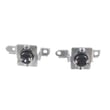


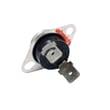
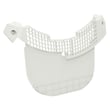
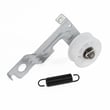
What is the most common problem with LG dryers?
The most common LG dryer problem (including LG model DLGX4371W) is poor drying performance: the dryer takes too long to dry or does not heat correctly. In most homes, restricted airflow from lint buildup in the lint screen housing or venting causes the issue; less often, a failed thermostat, igniter, or drum-drive part is to blame.
Most common symptoms you will notice
- Clothes still damp at end of cycle
- Cycle time keeps getting longer over days or weeks
- Dryer feels hot but clothes do not dry well (air is not moving)
- Burning smell or unusually hot cabinet
- Drum tumbles poorly, squeals, or stops turning
Quick checks we recommend first (fastest wins)
- Clean the lint screen every load; then inspect the chute for buildup.
- Check the vent path from dryer to outside for kinks, crushed flex duct, or a clogged hood.
- Run a timed dry cycle and confirm you have strong airflow at the outside vent.
- If the drum is not turning normally, stop using the dryer and inspect the belt and rollers.
- If an error code appears, match it to the code list in the DLGX4371W manual.
Common causes and the parts that often fix them
| Problem area | What it causes | Parts that commonly relate (examples for DLGX4371W) |
|---|---|---|
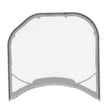
| Airflow restriction (lint or vent) | Long dry times, overheating | Lint path components such as LG dryer lint screen housing MCK49049101 |
| High heat shutdown | Dryer stops heating mid-cycle | High-limit thermostat (model uses multiple thermostats depending on location) |
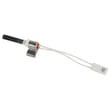
| No ignition (gas models) | No heat at all | LG dryer burner igniter 5318EL3001A |
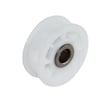
| Drum drive wear | No tumble, thumping, squeal | LG dryer drum belt 4400EL2001F, idler pulley, support rollers |
Why it matters
Airflow problems do more than slow drying; they also make the dryer run hotter, which can trip safety thermostats and shorten the life of components like the blower thermostat, high-limit thermostat, and motor.
Helpful DIY references
- Use LG dryer error codes to interpret codes tied to heating, airflow, and sensor issues.
- For performance tips that reduce long dry times, follow how to use your clothes dryer efficiently.
Last updated: February 2026
What is the average lifespan of an LG dryer?
Most LG dryers, including the LG DLGX4371W, typically last 10 to 15 years with normal household use. Regular vent cleaning, not overloading, and fixing wear items early (belt, rollers, idler) are the biggest factors in reaching the high end of that range.
What affects dryer lifespan the most
- Vent restriction (long dry times, overheating, extra wear on motor and thermostats)
- Load size and frequency (daily heavy loads shorten life)
- Heat stress (repeated overheating can damage thermostats and wiring)
- Wear parts condition (belt, drum rollers, idler pulley)
- Lint control (lint buildup increases heat and reduces airflow)
Quick maintenance checklist (best ROI)
- Clean the lint screen every load.
- Check airflow at the outside vent hood; it should be strong and steady.
- Clean the full vent path periodically (dryer outlet to exterior hood).
- Level the dryer; vibration accelerates roller and drum wear.
- Follow cycle and care guidance in the DLGX4371W owner's manual.
Common “end-of-life” symptoms and likely wear parts
| Symptom | Common cause | Example part for this model |
|---|---|---|
| Squealing, thumping, rumbling | Worn drum support rollers or idler pulley | Dryer drum support roller 4581EL2002H |
| Drum not turning, motor runs | Broken or slipping belt | LG dryer drum belt 4400EL2001F |
| Long dry times, hot cabinet | Airflow restriction or thermostat issues | (Inspect venting first) |
Why it matters
A dryer that is struggling to move air runs hotter and longer, which shortens the life of key components like the motor, thermostats, and drum support system. Keeping airflow strong is the simplest way to extend the service life of an LG gas dryer.
Last updated: February 2026
What parts might cause an LG dryer to not heat?
On the LG DLGX4371W dryer, “no heat” is most often caused by a power or gas supply issue, restricted airflow (lint filter or vent/duct), or a failed heating safety/control part such as a high-limit thermostat or igniter. Use the checks in the DLGX4371W owner's manual to narrow it down safely.
Quick checks first (fastest fixes)
- Confirm the dryer is getting proper power; reset the breaker or replace the house fuse (do not upsize the fuse).
- For gas models, confirm both the house gas shutoff and the dryer gas shutoff are fully open.
- Make sure you did not select an Energy Saver type option that reduces heat on certain cycles.
- Clean the lint filter completely.
- Inspect and clean the vent hood and duct; keep the run as short and straight as possible.
Parts that commonly cause “no heat” on this model
If power, settings, gas, and venting check out, these parts are common heat-related suspects on LG gas dryers:
- Ignition failure: a weak or open igniter can prevent burner ignition (see LG dryer burner igniter 5318EL3001A).
- High-limit thermostat trip/failure: opens the heat circuit when overheating occurs (often triggered by a clogged vent); examples include dryer high-limit thermostat AGM30045804 and dryer high-limit thermostat 6931EL3003C.
- Blower thermostat issues: can affect temperature control and cycling (see dryer blower thermostat 6931EL3002M).
Symptom-to-likely-cause guide
| What you notice | Most likely cause | What to do next |
|---|---|---|
| Runs but never warms | Gas shutoff closed, igniter/thermostat issue | Verify gas valves; then test igniter and thermostats |
| Long dry times, weak airflow | Lint filter or vent/duct restriction | Clean filter, hood, and duct; shorten ducting |
| Heats briefly then stops | Overheating from restricted venting, high-limit opening | Fix airflow first; then check high-limit thermostat |
Why it matters
A restricted vent is the most common reason a dryer overheats and shuts heat down; fixing airflow often restores heat and prevents repeat failures of thermostats and other heat-safety parts.
Last updated: February 2026
What are the main parts of a dryer?
The main parts of an LG dryer like model DLGX4371W work together to tumble clothes, move heated air through the drum, and safely control temperature and airflow. Most dryers share the same core systems: a rotating drum drive, an air-moving blower, and heat and safety controls.
Core systems you will find in most dryers
- Drum and support: drum, rear seal, and support rollers that let the drum turn smoothly
- Drive system: motor, drum belt, and idler pulley that keep the drum rotating under load
- Airflow system: blower wheel and blower housing that pull air through the drum and out the vent
- Heating system: gas burner and igniter (gas models) or electric heater (electric models)
- Temperature and safety controls: thermostats, thermistors, and fuses that prevent overheating
- User interface and safety switches: door switch and control board
Common DLGX4371W parts (examples)
Here are a few model-relevant examples from this LG dryer’s parts list:
| Dryer function | Example part | What it does |
|---|---|---|
| Drum drive | LG dryer drum belt 4400EL2001F | Turns the drum with the motor pulley |
| Belt tension | LG dryer idler pulley 4561EL3002A | Keeps proper belt tension |
| Drum support | Dryer drum support roller 4581EL2002H | Supports drum rotation and reduces noise |
| Air movement | Dryer blower wheel 5835EL1002A | Moves air through drum and exhaust |
| Heat safety | Dryer high-limit thermostat 6931EL3003C | Shuts heat down if temperatures get too high |
Why it matters
Knowing the main parts helps you match symptoms to the right system. For example, squealing or thumping usually points to the belt, idler pulley, drum rollers, or rear drum seal; long dry times usually point to airflow and venting.
Quick safety and airflow notes (important on this model)
From the installation and safety guidance for this dryer:
- Gas dryers must exhaust outdoors
- Use 4-inch metal ducting (rigid, semi-rigid, or flexible metal)
- Keep the exhaust run as short and clean as possible
For diagrams and part locations, use the DLGX4371W owner’s manual.
Last updated: February 2026