Installation guide
 Error Codes


How to remove the filter and spinner on GE dishwasher?
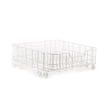
On the GE GHDA480N10WW dishwasher, we remove the lower rack first, then lift out the filter screen and any cover pieces in the sump area; the spray arm (spinner) typically releases by turning its center retainer counterclockwise and lifting it off. Use the GHDA480N10WW installation guide for safe access and handling.
- Turn off power at the breaker; shut off the water supply if you will reach into the sump area.
- Pull out the lower rack for clear access to the bottom of the tub.
- Remove any standing debris by hand (wear gloves) so it does not drop into the pump inlet.
- Lift out the coarse filter screen and any plastic sump cover that snaps in (press tabs and wiggle upward).
- Rinse the filter under hot water; use a soft brush to clear grease and food soil.
- With the lower rack out, locate the lower spray arm hub.
- Hold the spray arm steady and loosen the center retainer (most GE designs use a twist-off nut or locking cap).
- Lift the spray arm straight up and off the mount.
- Check the spray arm holes for clogs; flush from the hub outward.
| Item | What to look for | Common result |
|---|---|---|
| Spray arm | Cracks, clogged jets, wobble | Poor cleaning, noise |
| Filter area | Heavy soil, broken screen | Grit on dishes |
| Sump/pump inlet | Seeds, glass, labels | Drain or wash issues |
If the spray arm is damaged or won’t spin freely after cleaning, replacing the dishwasher spray arm WD22X10047 restores proper wash coverage.
A clogged filter or blocked spray arm reduces water flow and pressure, which leads to poor cleaning, redepositing food, and can strain the circulation system over time.
Last updated: February 2026
Can I replace dishwasher parts myself?
Yes, for the GE GHDA480N10WW dishwasher we can replace many common parts ourselves if we’re comfortable shutting off power and water and working carefully. Simple items like filters, spray components, and some seals are typical DIY jobs; electrical and plumbing repairs take more skill.
These repairs are usually straightforward with basic hand tools:
- Cleaning or replacing the filter and inlet cover (common for poor cleaning)
- Replacing the spray arm if it’s cracked or clogged
- Replacing the float assembly if the dishwasher overfills or won’t fill
- Replacing the drain tube if it’s leaking or kinked
- Replacing the tub gasket or lower door seal for minor leaks
These can still be DIY, but they involve wiring, clamps, and leak testing:
- Replacing the water inlet valve (water supply connection and leak risk) using dishwasher water inlet valve WD15X10003
- Replacing the pump and motor assembly (heavier part, hoses, electrical connectors)
- Replacing the user interface (control wiring and correct reassembly)
Before we start any repair:
- Turn off power at the breaker (not just the control panel)
- Shut off the dishwasher water supply valve
- Protect the floor; keep towels ready for residual water
- Take photos of wire and hose routing before disconnecting anything
- Plan for removal access; the dishwasher should be installed so it can be removed for service (per the installation instructions)
| Repair type | Typical difficulty | Common symptom |
|---|---|---|
| Filter/spray cleaning | Easy | Not cleaning well |
| Float assembly | Easy to medium | Won’t fill or overfills |
| Water inlet valve | Medium | Not filling, humming |
| Pump and motor | Medium to hard | No wash action, loud noise |
| User interface | Medium | Buttons not responding |
A dishwasher must be level and secured correctly for proper rack movement, wash performance, and door operation. If we remove the unit or adjust it during a repair, following the GHDA480N10WW installation guide helps prevent leaks, door rubbing, and future service headaches.
Last updated: February 2026
What is the average lifespan of a GE dishwasher?
A GE dishwasher typically lasts 10 to 12 years. For your GE GHDA480N10WW, regular cleaning, correct installation, and fixing small leaks or drain issues early help you reach (and often exceed) that average.
- Water quality and detergent use (hard water and excess detergent can leave buildup)
- Filter and spray system cleanliness (clogs make the pump work harder)
- Door sealing and leak prevention (small leaks can damage components over time)
- Drain performance (standing water accelerates odors and corrosion)
- Installation quality (stable mounting and correct hose routing reduce stress and leaks)
- Rinse heavy food off dishes; avoid loading large debris.
- Clean the filter area regularly; if yours is damaged or clogged, replace the dishwasher filter WD12X10109.
- Inspect and wipe the door sealing surfaces; replace a worn seal such as the dishwasher tub gasket WD08X10018 if you see persistent seepage.
- Run a monthly cleaning cycle using a dishwasher-safe cleaner.
- Confirm the drain hose is routed correctly and not kinked (routing and clamp placement are covered in the GHDA480N10WW installation guide).
| Usage pattern | Typical lifespan | What usually fails first |
|---|---|---|
| Light (few loads/week) | 12 years | Door seals, racks, spray components |
| Average (daily) | 10 to 12 years | Drain issues, pump wear, inlet valve |
| Heavy (multiple loads/day) | 8 to 10 years | Pump/motor, heater-related drying performance |
If the dishwasher is otherwise in good shape, replacing a few common wear items often restores performance:
- Poor cleaning: check the dishwasher spray arm WD22X10047 and filter path
- Not filling: consider the dishwasher water inlet valve WD15X10003
- Noisy or weak wash: pump components may be worn (circulation and impeller issues)
A dishwasher that is draining, filling, and sealing correctly runs with less strain on the pump and motor, which are the most expensive components. Preventing leaks and clogs is the simplest way to protect the tub, wiring, and controls.
Last updated: February 2026
What is the most common problem with GE dishwashers?
The most common GE dishwasher problems are not draining, leaking, and not starting or stopping mid-cycle. On GE model GHDA480N10WW, these issues usually trace back to a clogged filter or drain path, a worn door seal or tub gasket, or a fill/control problem.
- Not draining: Clear the sump area and check the drain hose routing for kinks or a blockage; a restricted hose is a top cause of standing water.
- Leaking: Inspect the door sealing surfaces and look for a flattened or torn gasket.
- Not filling or weak wash: Verify the water supply valve is fully open and the inlet screen is not clogged.
- Poor cleaning: Make sure spray arms can spin freely and the filter area is clean.
- Won’t start: Confirm the door closes and latches firmly; then check for a control issue.
| Symptom | Common part to inspect/replace | What it affects |
|---|---|---|
| Won’t fill or fills slowly | Dishwasher water inlet valve WD15X10003 | Water entering the dishwasher |
| Leaks at the tub/door area | Dishwasher tub gasket WD08X10018 | Seals the tub to prevent leaks |
| Standing water, slow drain | Drain tube WD24X10045 | Drain path from the pump outlet |
| Poor wash, loud pump | Mechanism assembly WD26X10053 | Main pump and motor function |
Drain and leak complaints often come from simple restrictions or worn seals; catching those early prevents repeat cycle failures, odors, and water damage. Fill and start problems are frequently tied to water supply, inlet components, or the user interface.
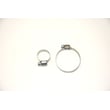
A damaged or poorly connected drain hose can cause leaks and drainage problems. During service or reinstall, we follow the hose connection and clamp steps in the installation guide to help prevent nicks, loose clamps, and routing issues.
If the dishwasher beeps, flashes, or shows an electronic fault, match the code to the failure first, then troubleshoot the related circuit or part using GE electronic dishwasher error codes.
Last updated: February 2026