




What are the most common issues with CV490S-27507?
The most common problems we see on the Kohler CV490S-27507 lawn and garden engine are no-start or hard-start, rough running or surging, loss of power under load, and charging or cranking issues. These symptoms usually trace back to fuel delivery, air intake, ignition, or starting components.
Most common symptoms and likely causes
- Won’t start / starts then dies: clogged fuel filter, stuck carburetor float, failed fuel shut-off solenoid
- Surging / hunting at idle: dirty carburetor passages, air leak at carburetor gasket, restricted air filter
- Low power / bogging: plugged air filter or pre-filter, fuel restriction, internal wear (rings, valves)
- Backfiring: lean fuel mixture, intake leak, valve issues
- No crank / slow crank: weak battery/cables, starter motor problem
- Battery not charging: stator or regulator issue
Quick checks we recommend first
- Verify fresh fuel and an open fuel valve (if equipped).
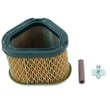
- Inspect and replace the air filtration if dirty: Kohler lawn & garden equipment engine air filter 12-083-10-S and lawn & garden equipment engine pre-filter 12-083-12-S.
- Replace the inline fuel filter if flow looks restricted: Kohler lawn & garden equipment engine fuel filter 25-050-07-S.
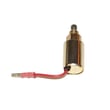
- If it surges or won’t stay running, focus on the carburetor and shutoff solenoid: lawn & garden equipment engine carburetor 12-853-118-S and Kohler lawn & garden equipment engine fuel shut-off solenoid kit 12-757-33-S.
- If it won’t crank, test the starting circuit and starter: Kohler lawn & garden equipment engine starter motor 25-098-07-S.
Symptom-to-part cheat sheet
| Symptom | Most common system | Parts that often fix it |
|---|---|---|
| Hard start, stalls | Fuel delivery | Fuel filter, carburetor, solenoid |
| Surging | Air/fuel mix | Air filter, pre-filter, carburetor gasket |
| No crank | Starting | Starter motor, wiring connections |
| No charge | Charging | Stator, regulator |
Why it matters
On small Kohler engines like the CV490S-27507, a slightly restricted air filter or fuel filter can quickly cause lean running, surging, and hard starting. Addressing basic maintenance parts first prevents repeat carburetor problems and reduces wear.
Last updated: March 2026
What is the average lifespan of CV490S-27507?
A Kohler CV490S-27507 lawn and garden engine typically lasts 1,000 to 2,000 operating hours with normal residential use and consistent maintenance. Clean air filtration, fresh fuel, and regular oil changes have the biggest impact on how long this engine runs reliably.
Typical lifespan ranges
Lifespan is best thought of in engine hours (not years). Use this as a practical guide:
- Light residential use: 1,000 to 1,500 hours
- Heavier residential use: 1,500 to 2,000 hours
- Poor maintenance or dusty conditions: often under 1,000 hours
| Usage and care level | What you usually see | What to focus on |
|---|---|---|
| Clean conditions, on-time service | Longer life | Oil changes, air filter service |
| Dusty mowing, infrequent service | Shorter life | Pre-filter and air filter upkeep |
| Storage with old fuel | Hard starting, carb issues | Fuel freshness, shutoff habits |
Maintenance that extends engine life
These actions prevent the most common wear and fuel-related problems:
- Change oil on schedule and keep the oil level correct.
- Service the air intake often; replace the air filter when dirty.
- Replace the fuel filter if fuel flow seems restricted.
- Use fresh fuel and avoid long storage with untreated fuel.
- Keep cooling fins and the blower housing clear of debris.
Helpful model-matched maintenance parts include the Kohler lawn & garden equipment engine air filter 12-083-10-S and Kohler lawn & garden equipment engine fuel filter 25-050-07-S.
Signs your engine is nearing end-of-life
Wear builds gradually; these symptoms usually show up more often over time:
- Low power even with a clean air filter and fresh fuel
- Excessive oil consumption or heavy smoke
- Hard starting that returns soon after tune-up work
- Persistent knocking, backfiring, or compression-related issues
Why it matters
Knowing the expected hour range helps you decide whether routine service (filters, fuel system upkeep) is the best next step or whether deeper repairs (carburetor, gasket set, internal engine parts) make more sense for your CV490S-27507.
Last updated: March 2026
What kind of oil does a 16 hp Kohler engine take?
For a Kohler lawn and garden engine like model CV490S-27507, use a high-quality 4-cycle detergent oil and match the viscosity to your outdoor temperature. In warm weather, SAE 30 is commonly preferred; SAE 10W-30 is commonly used for cooler conditions.
Oil type and specs to look for
We recommend choosing oil that meets these basics:
- 4-cycle (4-stroke) detergent engine oil (not 2-cycle mix)
- API service rating for gasoline engines (for example, SJ or higher)
- Viscosity matched to your typical starting and mowing temperatures
- Fresh oil from a sealed container (old oil can absorb moisture)
Typical viscosity guide for Kohler 16 HP-class engines
Exact viscosity charts can vary by engine family and operating conditions, but this is a common Kohler-style guideline:
| Ambient temperature | Common viscosity choice | Why it’s used |
|---|---|---|
| Cold weather | SAE 5W-30 (often synthetic) | Easier starting and faster lubrication |
| Cool to moderate | SAE 10W-30 | Good all-around option across a broad range |
| Warm weather mowing | SAE 30 | Often preferred for sustained higher temps |
Tips to prevent oil-related issues
Oil choice and maintenance directly affect starting, smoking, and engine life:
- Check oil level before each use with the engine off and on level ground
- Do not overfill; overfilling can cause smoking and spark plug fouling
- Change oil on schedule, sooner in dusty or high-heat mowing
- Keep the air filter clean; restriction can increase oil consumption
- If stored seasonally, change oil before storage to reduce internal corrosion
Why it matters
Using the right viscosity helps your CV490S-27507 lubricate quickly at startup and maintain film strength under load. Oil that is too thick in cold weather or too thin in high heat can increase wear and shorten engine life.
If you need to confirm the exact engine identification from the tag before buying supplies, use how to find your appliance model number (and what it means for parts).
Last updated: January 2026