Installation guide
 Owner’s manual
 Error Codes
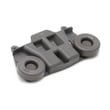


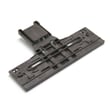
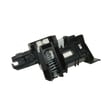
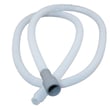
Can I replace dishwasher parts myself?
Yes, for KitchenAid KDPE334GBS0 you can replace many dishwasher parts yourself if you can safely shut off power and water and follow the correct steps; rack hardware, door hardware, and hoses are common DIY repairs, while wiring and leak-related repairs take more care. Use the KDPE334GBS0 installation guide for safe connection and mounting details.
Good DIY repairs vs. better left to a pro
Many repairs are straightforward because they are mechanical and accessible; others involve electrical testing, water connections, or cabinet mounting.
- Good DIY candidates: rack adjusters and wheels, door latch, drain hose, door balance parts
- More advanced DIY: water inlet valve replacement, drain pump replacement, heating circuit checks
- Consider a technician: repeated leaks, burning smell, tripping breaker, or wiring harness damage
Examples of DIY-friendly parts for this model
| Repair type | Example part | What you’ll notice |
|---|---|---|
| Upper rack height issues | Dishwasher dishrack adjuster WPW10546503 | Rack won’t raise/lower or won’t stay level |
| Door won’t latch | Dishwasher door latch WPW10653840 | Unit won’t start or stops when door moves |
| Not draining | Dishwasher drain pump WPW10531320 | Standing water after cycle |
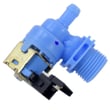
| Poor fill or no fill | Valve-water W11175771 | Little or no water entering tub |
Safety steps we recommend before any repair
- Turn off power at the breaker (dishwashers are hard-wired or plugged in under the sink)
- Shut off the water supply valve under the sink
- Protect the floor; keep towels ready for hoses and sump water
- Take photos of wire and hose routing before removal
- Use the correct fittings; avoid soldering close to the inlet valve (keep at least 6 inches away)
Why it matters
DIY replacement can restore cleaning and draining performance quickly and save service costs, but dishwashers combine electricity and water. Following the correct install and connection practices helps prevent leaks, console damage, and door alignment problems.
Last updated: February 2026
What is the most common problem with a KitchenAid dishwasher?
For the KitchenAid KDPE334GBS0 dishwasher, the most common problems we see are not draining, not starting, and poor cleaning. These issues are usually tied to loading interference, a kinked or blocked drain path, or routine maintenance needs like cleaning filters and using rinse aid (see the KDPE334GBS0 owner's manual).
Most common symptoms and what typically causes them
- Water remains in the tub: kinked drain hose, disposer knockout plug not removed, drain/disposer blockage
- Won’t start or stops: door not fully latched, Start/Resume timing, controls “asleep” after inactivity
- Dirty dishes: spray arm interference from tall items, filter/soil buildup, detergent or rinse aid issues
- White residue (hard water): mineral deposits; needs rinse aid and better detergent habits
- Leaks: door seal wear, loading that directs spray at the door, loose hose connections
Quick checks we recommend first (KDPE334GBS0)
- Confirm the door is fully closed and latched; avoid tall items hitting the rack or spray arm.
- If Start/Resume is blinking, press it and close the door within about 4 seconds.
- If water remains, verify the cycle finished; then check for drain hose kinks and disposer/drain obstructions.
- Use high-quality detergent packs and rinse aid for daily care.
- If you have a drain air gap, clean it when draining is weak.
Common problem-to-fix map
| Problem you notice | Most likely area to check | Part that often gets replaced |
|---|---|---|
| Standing water after cycle | Drain hose, disposer inlet, drain path | Dishwasher drain pump WPW10531320 |
| Won’t latch or won’t run | Door latch alignment and switch | Dishwasher door latch WPW10653840 |
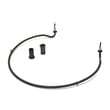
| Not drying well | Heat and rinse aid use | Element assembly W10703867 |
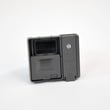
| Detergent cup not opening | Dispenser door and spring | Dishwasher detergent dispenser W10861000 |
Why it matters
Drain and start issues can look like “major failures,” but they are often caused by a simple blockage, a loading problem, or a latch/Start-Resume timing issue. Fixing the root cause prevents repeat clogs, odors, and incomplete cycles.
Last updated: February 2026
What's the average lifespan of a KitchenAid dishwasher?
A KitchenAid dishwasher typically lasts 10 to 14 years. For your KitchenAid KDPE334GBS0, lifespan depends most on water quality, how often you run it, and routine care like cleaning the filtration system and using rinse aid as recommended in the KDPE334GBS0 owner’s manual.
Typical lifespan and what affects it
Most dishwashers reach their full service life when wash performance stays strong and leaks are prevented.
- Usage frequency: multiple loads per day shortens life compared to a few loads per week
- Hard water: speeds up mineral buildup on internal parts and can reduce cleaning and drying
- Maintenance habits: filter cleaning and periodic deep cleaning prevent pump and drain issues
- Detergent and rinse aid use: correct products reduce residue and spotting
- Installation quality: proper leveling and secure mounting reduce vibration and stress
Maintenance checklist that helps you reach 10 to 14 years
Use these as your baseline routine for KDPE334GBS0 care:
- Clean the filter and check the sump area regularly
- Run a dishwasher cleaner cycle periodically to reduce grease and mineral buildup
- Keep spray arms clear of labels, seeds, and broken glass
- Use rinse aid for better drying and to reduce hard-water deposits
- Inspect the door seal area and wipe it clean to prevent slow leaks
Common “end-of-life” symptoms vs. fixable problems
| Symptom | Often fixable? | What to check first |
|---|---|---|
| Not draining | Yes | Clogs, drain path, then dishwasher drain pump WPW10531320 |
| Not filling | Yes | Water supply, then valve-water W11175771 |
| Poor drying | Usually | Rinse aid use, heater circuit, then element assembly W10703867 |
| Door won’t latch | Yes | Alignment, then dishwasher door latch WPW10653840 |
Why it matters
A dishwasher that runs longer cycles and uses less energy can still deliver excellent results, but it relies more on proper loading, rinse aid, and a clean filtration system. Staying ahead of buildup and small leaks is what most often separates a 7 to 9 year dishwasher from a 10 to 14 year dishwasher.
Last updated: February 2026