 Owner’s manual
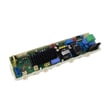

How to hard reset a Kenmore Elite washer?
To hard reset your Kenmore Elite washer model 79631412310, unplug it for 60 seconds, plug it back in, then press POWER and re-select your cycle and press START/PAUSE. This clears many control glitches and lets the washer restart normally (see the 79631412310 owner's manual).
Hard reset steps (recommended)
- Press POWER to turn the washer off.
- Unplug the washer from the outlet.
- Wait 60 seconds.
- Plug the washer back in.
- Press POWER, choose a cycle, then press START/PAUSE.
If the washer still will not run
These checks fix the most common “looks dead” or “won’t start” situations.
- Confirm the power cord is fully seated in the outlet.
- Check the home breaker or fuse; reset if tripped.
- Make sure the lid/door is fully closed and nothing is pinched.
- Turn both hot and cold water faucets fully on.
- If the washer shut off after being powered on, re-select the cycle and press START/PAUSE within a few minutes.
What to expect after a reset
| What you see | What it usually means | What to do |
|---|---|---|
| Lights come on, cycle can be selected | Control recovered | Start a normal cycle to confirm operation |
| Powers on but stops with an error | A condition is still present (load, drain, fill, motor) | Correct the condition, then restart |
| No power at all | Power supply issue | Check outlet, breaker, and cord connection |
Why it matters
A 60-second power reset forces the main control to reboot. On the 79631412310, that often restores normal operation after a brief power interruption, a paused cycle, or a temporary sensor/control lockup.
Last updated: February 2026
Is Kenmore Elite high end?
Yes. Kenmore Elite is Kenmore’s higher-end line, and the Kenmore Elite washer model 79631412310 is built around upgraded features and performance compared to standard Kenmore models (for example, HE detergent use, expanded cycle options, and built-in troubleshooting support). See the 79631412310 owner's manual for the feature list and operating details.
What “high end” means for Kenmore Elite washers
In our experience, “high end” for a washer usually comes down to cleaning performance, cycle flexibility, and convenience features.
- High efficiency (HE) wash system designed for low-sudsing HE detergent
- More cycle and option selections than basic models
- More advanced controls and status display features
- Built-in diagnostics and troubleshooting guidance
- Premium fit and finish compared to entry-level lines
Quick comparison: Kenmore vs Kenmore Elite (typical)
| Category | Standard Kenmore | Kenmore Elite |
|---|---|---|
| Cycles and options | Basic set | Expanded set |
| Efficiency focus | Varies | Strong HE focus |
| Diagnostics | Basic | More advanced support |
| Parts cost (when repairs happen) | Often lower | Often higher |
Why it matters when you’re shopping or repairing
A higher-end washer like the Kenmore Elite 79631412310 can deliver better results and more convenience, but repairs can involve more specialized components. For example, drive and sensing parts such as the washer motor rotor position sensor 6501KW2002B are common “performance-critical” items that help the washer run smoothly.
Tips to get “high-end” performance day to day
- Use only HE detergent and measure carefully to prevent oversudsing
- Avoid overloading; it reduces cleaning and can trigger out-of-balance issues
- Check pockets before washing to prevent damage and error codes
- Run regular cleaning/maintenance cycles as outlined in the manual
Last updated: February 2026
Is the Kenmore Elite a HE washer?
Yes. The Kenmore Elite washer model 79631412310 is a high-efficiency (HE) washer; it is designed to use low-sudsing HE detergent and lower water levels while still delivering strong cleaning performance.
How to tell it is HE (and what to use)
We recommend following these HE basics for 79631412310:
- Use detergent labeled HE (low-sudsing)
- Measure detergent carefully; more soap can cause oversudsing and poor rinsing
- Expect lower water levels than older, non-HE washers
- Use the dispenser drawer for detergent and additives as directed
- Run the cycle options as selected; not all settings are available on every cycle
For detergent type, dispenser use, and cycle operation details, use the 79631412310 owner’s manual.
Quick HE detergent guide
| Load size / soil level | What to do | What to avoid |
|---|---|---|
| Small or lightly soiled | Use the minimum HE dose | Extra detergent “for more cleaning” |
| Normal loads | Use the manufacturer’s measured HE amount | Non-HE detergent |
| Large or heavily soiled | Increase within HE guidelines only | Overfilling the dispenser |
Why it matters
Using non-HE detergent (or too much HE detergent) creates excess suds that can reduce agitation, leave residue on clothes, and contribute to odor or draining and rinsing complaints. HE detergent keeps suds controlled so the washer can rinse and spin correctly.
Last updated: February 2026
What does f28 mean on a Kenmore Elite washer?
On the Kenmore Elite washer model 79631412310, the F28 error code points to a communication failure between the main control and the motor control system, so the washer cannot reliably command or monitor the drive motor. Use the troubleshooting steps in the 79631412310 owner's manual to confirm the exact checks for your unit.
What you can do first (quick checks)
- Unplug the washer for 5 minutes to reset the controls, then retry a cycle.
- Make sure the washer is getting steady power (avoid loose outlets or power strips).
- Cancel the cycle and restart using a simple cycle (like Normal) to see if the code returns.
- If the tub is overloaded, reduce the load and try again.
- If the code appears during spin, redistribute items to reduce vibration and motor strain.
Likely causes on this model
F28 is usually triggered by a break in the “serial link” between controls or a motor feedback problem. Common causes include:
- Loose or oxidized wire connections between the control boards and motor
- Failed motor feedback sensing (position sensing)
- Motor control or main control fault
- Drive system issue that prevents normal motor operation
Parts that are commonly involved
If basic resets and load checks do not help, these model-matched parts are often part of the diagnosis:
| Symptom with F28 | What it often points to | Example model-matched part |
|---|---|---|
| Motor starts then stops, code returns | Motor feedback/position sensing issue | Washer motor rotor position sensor 6501KW2002B |
| No/weak agitation or spin with code | Drive motor or drive control problem | Lg washer drive motor 4417EA1002Y |
| Intermittent code, worsens with vibration | Harness connection issue, rotor/sensor alignment | Washer rotor assembly AHL72914404 |
Why it matters
When the controls cannot communicate correctly with the motor system, the washer may stop mid-cycle, fail to spin out water, or repeatedly throw error codes. Addressing F28 early helps prevent repeated shutdowns and incomplete draining or spinning.
Related troubleshooting
If you are seeing other Kenmore 796-series codes, use the Kenmore 796 top load washer error codes reference to narrow the cause by symptom.
Last updated: February 2026
What is the cubic foot of my Kenmore washer model 79631412310?
The Kenmore Elite washer model 79631412310 has a 4.5 cu. ft. capacity. This is the tub volume used for comparing washer sizes; it helps you plan load size, choose cycles for bulky items, and reduce out-of-balance spinning.
Where to confirm it in your documentation
Use the spec section in the 79631412310 owner's manual. Look for headings such as Key dimensions and specifications or Specifications.
- Check the model/serial label on the washer and confirm it matches 79631412310
- Use the manual’s spec table for the official capacity value
- Use the manual’s dimension drawings if you are measuring for fit
What 4.5 cu. ft. means for everyday loads
A 4.5 cu. ft. Kenmore top-load washer is a large-capacity design. For best wash action, load loosely and keep items below the top edge of the basket.
- Mixed everyday loads: fill the basket about 2/3 full
- Bulky items (comforter, blankets): 1 large item plus a few small items for balance
- Heavy items (towels, jeans): avoid packing; distribute evenly around the washplate
Quick capacity comparison
| Capacity (cu. ft.) | Common label | Best for |
|---|---|---|
| 3.2 to 3.8 | Standard | Smaller to medium loads |
| 4.0 to 4.6 | Large | Family loads, some bulky items |
| 4.7 to 5.5 | Extra-large | Frequent bulky loads |
Why it matters
Using the right load size for a 4.5 cu. ft. tub helps prevent vibration, improves rinse performance, and reduces wear on suspension components such as the washer suspension rod AJK72989704.
Last updated: February 2026
What is the life expectancy of a Kenmore washer?
Most Kenmore washers last 10 to 15 years. For the Kenmore Elite washer 79631412310, lifespan depends most on load size, how often you run cycles, and routine care like using HE detergent and keeping inlet screens clean; those habits reduce strain on the drive system and valves (see the 79631412310 owner's manual).
Typical lifespan and what changes it
A washer’s service life is usually limited by wear on moving parts (motor/drive, suspension) and water-handling parts (inlet valve, drain pump).
- Normal household use: 10 to 15 years
- Heavy use (large family, daily loads): closer to 8 to 12 years
- Light use (few loads per week): often 12 to 15 years
- Overloading and chronic unbalance: shortens suspension and drive life
- Hard water and debris: shortens inlet valve life if filters are not maintained
Maintenance that extends life on model 79631412310
The manual calls out steps that directly protect the water system and wash performance.
- Use High-Efficiency (HE) detergent and measure it correctly
- Clean the water inlet filter screens if filling slows or a fill error appears
- Use new inlet hoses at installation and replace hoses that show cracks or leaks
- Keep hoses from being kinked, pinched, or crushed
- Avoid installing or storing the washer where it can freeze
Quick “repair vs. replace” guide
Use this as a practical rule of thumb when deciding what to do next.
| Washer age | What we typically recommend | Why |
|---|---|---|
| 0 to 5 years | Repair is usually worth it | Most components still have long remaining life |
| 6 to 10 years | Compare repair cost to value | Multiple wear items may be nearing end of life |
| 11 to 15 years | Replace if major failure | Big repairs can exceed the washer’s remaining value |
Why it matters
A realistic life expectancy helps you plan: if your 79631412310 is already in the 10 to 15 year range, investing in routine maintenance (hoses, inlet screen cleaning, proper detergent) can prevent leaks, fill problems, and premature wear.
Last updated: February 2026
What would cause a Kenmore washing machine not to agitate?
If your Kenmore Elite washer model 79631412310 won’t agitate, the most common causes are a load that’s out of balance, a drive system problem (motor, rotor, or shifter), or a control condition that stops tumbling to protect the washer. Start with the checks and test steps in the 79631412310 owner's manual.
Quick checks we recommend first
- Cancel the cycle, then restart on a basic cycle (Normal) to see if agitation returns.
- Reduce the load size; bulky items can prevent proper wash action.
- Redistribute items evenly around the washplate.
- Confirm the washer is level and stable on the floor.
- Listen for motor sound: humming with no movement often points to a drive or rotor issue.
Likely causes and what they look like
| What’s happening | Common cause | What you’ll notice |
|---|---|---|
| Tub fills but won’t move | Drive system fault | Motor tries, basket stays still |
| Starts then stops tumbling | Out-of-balance protection | Repeated pauses, rebalancing attempts |
| Weak or inconsistent wash action | Washplate/hub issue | Washplate slips, clothes stay in one spot |
| Agitation stops with other odd behavior | Shift/position sensing issue | Intermittent movement, unusual cycle behavior |
Parts that commonly relate to “no agitation” on this style washer
These are model-matched parts we often see involved when the washer won’t move correctly:
- Lg washer drive motor 4417EA1002Y (if the motor is not running or is noisy)
- Washer rotor assembly AHL72914404 (if the rotor is damaged or loose)
- Washer motor rotor position sensor 6501KW2002B (if the control can’t read rotor position)
- Washer shifter motor 4681EA1009C (if the washer can’t shift between modes)
- Washer washplate AGZ72909711 (if the washplate is stripped or slipping)
Why it matters
When agitation stops, cleaning performance drops and the washer may repeatedly pause to protect the drive system. Catching a slipping washplate or a failing rotor sensor early can prevent bigger drive damage.
Last updated: February 2026
Where do you find the model number on a Kenmore Elite washer?
On the Kenmore Elite washer model 79631412310, the model and serial number are printed on an identification plate inside the washer lid. This is the fastest place to check when ordering parts or looking up troubleshooting steps in the 79631412310 owner's manual.
Where to look first (most common)
- Open the washer lid and look along the underside of the lid area
- Check the rim of the cabinet opening near the lid
- Wipe the label with a damp cloth if it is dusty or covered with detergent residue
Other common label locations (if you do not see it inside the lid)
- Back of the control panel
- Side of the main cabinet near the bottom edge
- On some designs, near the hinge area where the lid meets the top panel
What to write down (and why)
Having the correct ID prevents ordering the wrong Kenmore parts (especially for motor, drain, and water-level components).
| What to record | Example | Why it matters |
|---|---|---|
| Model number | 79631412310 | Matches the correct parts diagrams and fit |
| Serial number | (from the same label) | Helps confirm production version |
| Purchase date | (your date) | Useful for service history and maintenance |
Why it matters
Kenmore model numbers can look similar, but small differences can change which washplate, inlet valve, or drain pump fits. Using the exact model number from the identification plate keeps part selection and troubleshooting accurate.
Last updated: February 2026
Where is the filter on a Kenmore Elite top load washer?
On the Kenmore Elite washer model 79631412310, the “filter” most owners mean is the water inlet filter screens. They are located inside the hot and cold water inlet ports on the back of the washer, right where the fill hoses screw on. See the cleaning steps in the 79631412310 owner's manual.
What you will see and where to look
The inlet filters are small mesh screens that sit in the inlet valve openings.
- Unplug the washer for safety.
- Turn OFF both water faucets completely.
- Go to the back of the washer.
- Locate the hot and cold water hose connections.
- The filter screens sit just inside the washer’s inlet ports (not in the hoses).
How to clean the inlet filter screens
Follow these steps to restore normal filling and help prevent fill errors.
- Turn off both water faucets.
- Unscrew the hot and cold fill hoses from the washer.
- Carefully pull the filter screens out of the inlet ports.
- Soak screens in white vinegar (or a lime scale remover), then rinse thoroughly.
- Press the screens back into place and reconnect the hoses.
Quick do and do not table
| Do | Do not |
|---|---|
| Use the inlet screens to protect the inlet valve | Run the washer with screens removed |
| Clean scale and sediment off the screens | Pry aggressively and damage the mesh |
| Reconnect hoses snugly and check for leaks | Reuse old hoses if they are cracked or leaking |
Why it matters
Clogged inlet screens restrict water flow, so the washer may fill slowly, fill unevenly, or trigger a fill-related error. Keeping the screens clean also helps protect the inlet valve from sediment damage.
Last updated: February 2026


