Owner’s manual



What is the capacity of Samsung WA45H7200AW A2?
The Samsung WA45H7200AW top-load washer has a 4.5 cu. ft. capacity. For cycle-by-cycle load guidance (bulky items, bedding, and mixed loads), we recommend checking the WA45H7200AW owner's manual.
Quick capacity guide (what 4.5 cu. ft. means)
A 4.5 cu. ft. top-load washer is designed for larger household loads. In practical terms, it typically handles:
- A full mixed load of everyday clothing
- Towels and heavier cotton items in fewer loads
- Larger items (like bedding) with proper loading and balance
- High-efficiency (HE) detergent amounts (usually less than you expect)
How to load for best results
Overloading is the most common reason for poor cleaning, out-of-balance spinning, and longer cycle times. For WA45H7200AW, we use these best practices:
- Load items loosely; do not pack or compress
- Keep the top of the load below the tub ring so items can circulate
- Mix large and small items to improve balance
- Use the correct cycle for bulky items to reduce vibration
- If the washer thumps or stops to rebalance, remove a few items and restart
Capacity vs. performance: what changes when you overload
| What you notice | Most common cause | What to do |
|---|---|---|
| Clothes not fully clean | Not enough turnover space | Reduce load size, use correct cycle |
| Excess vibration during spin | Load not balanced | Redistribute items, mix sizes |
| Longer cycle time | Rebalancing or sensing | Reduce load, avoid single heavy items |
| Detergent residue | Too much detergent for load | Use less HE detergent |
Why it matters
Matching load size to the 4.5 cu. ft. capacity helps the drive system and suspension work correctly, improves rinse performance, and reduces wear that can lead to repairs.
Last updated: February 2026
What is code 457?
On a Samsung WA45H7200AW washer, “457” is not a standard washer error code; it is most often a phone area code (Louisiana overlay) or a number shown by a connected app or display sequence rather than a fault. For washer troubleshooting, use the model’s listed error codes in the owner's manual.
How to tell what “457” is on your washer
Check where you saw the number; that usually identifies whether it is an error code or just a display value.
- Washer display during a cycle: look for letters (like “DC”, “ND”, “NF”, “4C”, “5C”) because Samsung washer faults are typically letter-number combinations.
- Smartphone notification or SmartThings screen: it may be an app message, cycle status, or a log entry.
- Sticker, tag, or printed label: it may be a part, batch, or internal reference number.
- After a power outage or reset: it may be a temporary display state; unplug for 2 minutes, then retry.
- Only happens with draining or spinning: focus on drain and balance related faults instead of “457”.
What to do next (fast checks)
Use these steps to move from “mystery number” to a real diagnosis.
- Write down the exact characters shown (for example, “4E”, “4C”, “5E”, “ND”, “DC”, “dC”).
- Note when it appears (fill, wash, drain, spin, end of cycle).
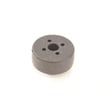
- If the washer will not drain, check the pump filter/coin trap for clogs; the washer pump coin trap DC61-03385A is the common service part in that area.
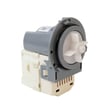
- If the tub will not drain at all and you hear humming, the drain pump may be failing; see washer drain pump DC31-00054D.
Common Samsung top-load error code patterns
| What you see | Usually means | What to check first |
|---|---|---|
| Letters + number (example: “DC”) | A real fault code | Load balance, leveling, suspension |
| “ND” / “5C” style | Drain problem | Coin trap, drain hose, drain pump |
| “NF” / “4C” style | Fill problem | Water supply, inlet screens, inlet valve |
Why it matters
Chasing “457” as a fault can waste time; Samsung washer diagnostics are built around specific error-code formats. Matching the exact code to the right system (fill, drain, lid, balance, control) gets you to the correct part and repair faster.
Last updated: February 2026
What is the lifespan of a Samsung washing machine?
A Samsung washing machine typically lasts 10 to 15 years. For your Samsung WA45H7200AW top-load washer, regular cleaning, correct loading, and fixing small issues early (drain, fill, vibration) are what most directly extend service life; see the maintenance guidance in the owner's manual.
Typical lifespan and what affects it most
Most washers reach end-of-life due to wear in moving parts, water-handling components, or control issues.
- Usage level: multiple loads per day shortens life vs. a few loads per week
- Overloading: strains the drive system and suspension
- Water quality: sediment can affect fill valves and internal passages
- Drain health: clogs and slow draining overwork the pump
- Leveling and vibration: constant out-of-balance spinning accelerates wear
Quick maintenance checklist (high impact)
- Run a monthly tub-clean cycle (or hot wash) to reduce residue and odor.
- Use the correct detergent amount; excess suds can cause longer run times and stress components.
- Keep the washer level; adjust feet if it walks or bangs.
- Check pockets and remove small items that can migrate into the drain path.
- Address slow draining promptly (standing water, long drain times, or repeated drain errors).
Common “life-extending” repairs for this model
When symptoms show up, replacing the right part early often prevents secondary damage.
| Symptom | Most likely area | Example part on this model page |
|---|---|---|
| Won’t drain, drains slowly, grinding noise | Drain system | Washer drain pump DC31-00054D |
| Won’t fill, fills slowly, wrong water temp | Water inlet | Samsung washer water inlet valve DC97-15459G |
| Excessive shaking or banging | Suspension | Washer damper DC97-16350E |
Why it matters
A washer that is kept clean, level, and draining correctly runs shorter cycles, spins more smoothly, and puts less load on the motor, tub, and control system. That is the difference between a washer that reaches 10 years and one that reaches 15.
Last updated: February 2026
What is the most common problem with Samsung washing machines?
The most common problems we see on Samsung washers like model WA45H7200AW are drain and spin issues: the washer will not fully drain, will not spin out, or will shake and stop due to an unbalanced load. These symptoms often trace back to a clogged pump trap, a failing drain pump, or worn suspension parts.
Most common symptoms customers report
- Clothes still wet at the end of the cycle (spin did not complete)
- Standing water left in the tub (drain problem)
- Loud banging, walking, or heavy vibration during spin
- Intermittent stopping with an error code
- Slow fill or no fill (water supply problem)
Quick checks that fix many “won’t spin” and “won’t drain” complaints
- Redistribute the load: bulky items can ball up and trigger out-of-balance protection.
- Run a smaller load: confirm the issue is not simply overload.
- Check for drain restrictions: look for lint, coins, or small socks in the pump path.
- Verify the drain hose: make sure it is not kinked or shoved too far down the standpipe.
- Confirm strong water flow: weak fill can cause long cycles and poor rinsing.
If you need model-specific cycle behavior, error code meanings, and maintenance steps, use the owner's manual.
Parts that commonly solve these problems
When the washer is humming but not draining, drains slowly, or stops mid-cycle, these parts are frequent fixes:
- Washer pump coin trap DC61-03385A (clogs can mimic a bad pump)
- Washer drain pump DC31-00054D (common for no-drain or intermittent drain)
- Washer drain pump dc97-19289f (another drain pump assembly used on this model)
- Washer damper DC97-16350E (helps control tub movement and vibration)
- Samsung washer water inlet valve DC97-15459G (for slow fill or no fill)
Symptom-to-part cheat sheet
| Symptom | Most likely area | Common part to check |
|---|---|---|
| Water left in tub | Drain path restriction | Washer pump coin trap |
| Hums but won’t drain | Pump not moving water | Washer drain pump |
| Banging/shaking in spin | Suspension control | Washer damper |
| Slow/no fill | Water supply control | Water inlet valve |
Why it matters
Drain and spin problems are the issues that most often leave laundry unfinished (wet clothes, water in the tub) and can also create secondary problems like odor from trapped water. Catching a clog early can prevent unnecessary pump replacement.
Last updated: February 2026