Installation guide
 Owner’s manual


What are the common problems with whirlpool dryers?
Common Whirlpool dryer problems include a dryer that will not run, no heat, long dry times, unusual noise or vibration, and a drum that will not tumble. On the Whirlpool WGD7300XW0, many “won’t start” and “no heat” complaints trace back to power supply, door/start issues, airflow restrictions, or a failed safety fuse.
Most common symptoms and what to check first
- Dryer will not run: confirm the door is fully closed and press and hold Start/Pause for 2 to 5 seconds (large loads can require a longer press); check household fuses or breakers (many dryers use two). See the WGD7300XW0 owner’s manual.
- No heat (drum turns but clothes stay wet): check the home power supply and breakers first; restricted venting can also cause heating problems and shutdowns.
- Not spinning or stops mid-cycle: a worn belt or idler can prevent tumbling; inspect the belt path and pulley.
- Loud thumping/squealing: worn drum support rollers or idler pulley are common wear items.
- Vibration/banging: leveling and load issues (balled-up items) often cause vibration; confirm the dryer is level using the WGD7300XW0 installation guide.
Parts that commonly fix these issues (WGD7300XW0)
If basic checks point to a failed component, these model-matched parts are frequent solutions:
| Symptom | Common suspect part | Example model-matched part |
|---|---|---|
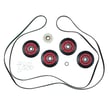
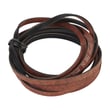
| Won’t tumble | Belt | Dryer drum belt WP8547157 |
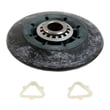
| Squealing/thumping | Drum roller | Support WPW10314173 |
| Won’t tumble, squeals | Idler pulley assembly | Dryer idler assembly WPW10547292 |
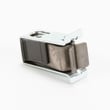
| Won’t start or stops, no heat | Safety fuse | Dryer thermal fuse WP3390719 |
| Auto cycles end too soon or run too long | Moisture sensing | Dryer moisture sensor WP3387223 |
Why it matters
A dryer that “runs but does not dry” is often an airflow or safety issue; fixing venting and replacing the correct wear part helps prevent repeat shutdowns, overheating, and premature part failures.
Last updated: February 2026
What is the average lifespan of a whirlpool dryer?
A Whirlpool dryer typically lasts about 10 years with normal household use. With good airflow, correct installation, and routine maintenance, many dryers reach 12 to 15 years before major repairs (motor, drum support, or heat system) become more common.
What affects lifespan the most
- Vent restriction (long runs, crushed flex vent, lint buildup) increases heat and wear
- Load size and frequency (multiple loads daily shortens life)
- Overheating events (often tied to airflow problems and blown fuses)
- Wear parts (belt, rollers, idler) gradually get noisy or slip
- Gas heat ignition reliability (for gas models, coils and igniter can age)
Typical lifespan by use level
| Household use pattern | Typical lifespan | What usually fails first |
|---|---|---|
| Light (1 to 3 loads/week) | 12 to 15 years | Belt, rollers, idler |
| Average (4 to 7 loads/week) | ~10 to 12 years | Thermal fuse, belt, rollers |
| Heavy (daily or large family) | 7 to 10 years | Motor, drum support parts, heat components |
Maintenance that helps your WGD7300XW0 last longer
We recommend following the airflow and care guidance in the WGD7300XW0 owner's manual and setup details in the WGD7300XW0 installation guide.
- Clean the lint screen every load; wash and dry it monthly if you use dryer sheets
- Check outside vent hood for strong airflow while running
- Clean the vent duct at least yearly (more often with long venting)
- Avoid overloading; heavy loads strain the drive motor and drum support
- If drying times suddenly increase, stop and correct airflow before continued use
Parts that commonly wear as a dryer ages
These are normal wear items; replacing them can extend service life and reduce noise.
- Dryer drum belt WP8547157
- Support WPW10314173
- Dryer idler assembly WPW10547292
- Dryer thermal fuse WP3390719
Why it matters
A dryer that is forced to run hot or run long cycles to dry clothes wears out faster and is more likely to trip safety devices like a thermal fuse. Keeping airflow strong is the simplest way to protect the drum, motor, and heating system.
Last updated: February 2026
What is the capacity of WGD7300XW0?
The Whirlpool WGD7300XW0 dryer has a 7.4 cu. ft. capacity, which is considered a large-capacity 27-inch dryer. That size handles typical family loads well, including bulky items like towels and bedding (drying time depends on cycle, load size, and venting).
Quick specs at a glance
| Item | Value |
|---|---|
| Brand | Whirlpool |
| Model | WGD7300XW0 |
| Dryer width class | 27-inch |
| Capacity | 7.4 cu. ft. |
Why capacity matters
A 7.4 cu. ft. drum gives clothes more room to tumble, which helps reduce wrinkling and improves airflow through the load. It also makes it easier to dry larger items without overpacking the drum.
Tips to get the best results from a large-capacity drum
- Avoid packing the drum tight; leave space for tumbling.
- Clean the lint screen before every load to maintain airflow.
- Use sensor cycles for mixed loads; use timed dry for very small loads.
- Confirm your venting is clear and not crushed behind the dryer.
- If drying seems slow, review the airflow and venting checks in the WGD7300XW0 owner's manual.
When “large capacity” still dries poorly
Capacity does not fix airflow or heat problems. If loads take too long or come out damp, these are common dryer-related causes to check:
- Restricted venting or lint buildup
- Blown thermal fuse (often linked to overheating)
- Weak heat on gas models (igniter, coils, or sensor issues)
Common parts customers replace for heat or airflow symptoms
| Symptom | Commonly related part |
|---|---|
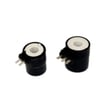
| No heat or intermittent heat | Dryer gas valve coil kit 279834 |
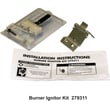
| Dryer runs but won’t heat | Igniter 279311 |
| Dryer stops heating, won’t run | Dryer thermal fuse WP3390719 |
Last updated: February 2026