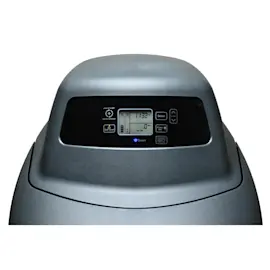
Owner’s manual
 Error Codes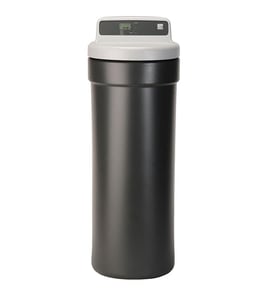



What water softeners do plumbers recommend?
Plumbers typically recommend water softeners that are correctly sized for your home’s hardness and flow needs and that have a proven control valve design. If you already own a Kenmore Elite water softener model 625386200, we focus on keeping it running reliably using the settings and maintenance steps in the 625386200 owner's manual.
What plumbers usually look for (and what you can match to your home)
- Correct grain capacity for your water hardness and household size
- A dependable metered (demand-initiated) regeneration system
- Readily available replacement parts (seals, rotor/disc, bypass valve)
- Simple programming and clear diagnostics
- Strong local service support and easy-to-source consumables (salt, resin)
How to compare softeners quickly
| What you’re comparing | What “good” looks like | Why it matters |
|---|---|---|
| Sizing | Matches hardness and daily gallons | Prevents frequent regenerations and hard-water breakthrough |
| Valve design | Common, serviceable valve platform | Reduces downtime and repair cost |
| Regeneration type | Metered/on-demand | Uses less salt and water than time-clock units |
| Parts support | Seal kits, O-rings, turbine available | Keeps the unit repairable long-term |
If you’re troubleshooting your current Kenmore Elite 625386200
Many “replace the softener” recommendations start with symptoms that are often repairable. Check these common service items first:
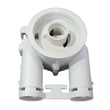
- Put the unit in bypass and back to service to confirm the bypass is not leaking internally (see water softener bypass valve 7278434)
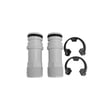
- Inspect for internal valve leaks or sticking during regeneration (common wear items include water softener seal kit 7129716 and water softener o-ring kit 7112963)
- Verify the turbine is spinning and registering flow (a failed turbine can prevent proper metering)
- Clean screens and check for debris that restricts flow
- Confirm salt bridging or mush is not preventing brine draw
Why it matters
A “plumber-recommended” softener is usually one that fits your water conditions and can be serviced quickly. Proper sizing and routine maintenance often deliver the same reliability benefits as switching brands.
Last updated: January 2026
Is it worth repairing a water softener?
Yes, repairing a water softener is usually worth it when the unit is otherwise in good shape and the problem is limited to serviceable parts (seals, valve components, bypass, or a control issue). For the Kenmore Elite 625386200, we typically recommend repair when the fix is straightforward and the resin tank and plumbing connections are sound; use the 625386200 owner's manual to match symptoms to the correct maintenance or repair.
Quick decision checklist
- Repair if the softener still regenerates but you have leaks, weak brine draw, or intermittent hard water.
- Repair if the issue points to wear items like seals, O-rings, or valve components.
- Repair if the cabinet, resin tank, and brine tank are intact (no cracks, no persistent overflow).
- Replace if the resin is exhausted and multiple major components are failing at the same time.
- Replace if you have repeated problems after cleaning, reprogramming, and fixing obvious leaks.
Common repairs that are often cost-effective
Many “bad softener” complaints come from a few high-wear areas in the valve and brine system.
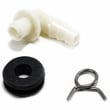
- Leaks at the valve or plumbing connections: inspect and renew seals and O-rings (example: water softener o-ring kit 7112963).
- Softener stuck in a cycle or not softening consistently: inspect the rotor/disc and sealing surfaces.
- Hard water during normal use but unit seems to run: check the bypass position and bypass valve condition (example: Kenmore elite water softener bypass valve 7278434).
- Brine tank issues (no brine draw, overflow): check the brine well and float/valve assembly.
Repair vs replace: practical comparison
| Situation | Usually best choice | Why |
|---|---|---|
| Minor leak, worn seals, or bypass problem | Repair | Low parts cost, high success rate |
| Intermittent hard water, valve wear suspected | Repair | Valve service restores performance |
| Multiple failures plus exhausted resin | Replace | Costs stack up quickly |
| Cracked tank or cabinet damage | Replace | Structural issues do not last |
Why it matters
A properly working softener protects plumbing, water heaters, and fixtures from scale buildup. Fixing a leak or valve issue early also prevents water damage and keeps salt and water use under control.
Last updated: January 2026
How often does a water softener need to be serviced?
For the Kenmore Elite water softener model 625386200, we service it on a simple schedule: check salt and operation monthly, deep-clean and inspect key components yearly, and plan for major wear items (like resin) on a long interval. Use the 625386200 owner's manual for the exact maintenance steps and settings.
Recommended service schedule
- Monthly: Check salt level, break up salt bridges, confirm the unit regenerates normally.
- Every 3 to 6 months: Clean the brine tank area as needed, verify the bypass valve is fully in service position.
- Yearly: Inspect for leaks, clean screens/venturi area, and check performance (hardness at a faucet).
- Every 10 to 15 years: Plan for resin replacement in most homes (earlier with iron-heavy water).
| Task | Typical frequency | What you’re looking for |
|---|---|---|
| Add salt | Monthly (or as needed) | Salt stays above the water line in the brine tank |
| Basic inspection | Monthly | No leaks, no error lights, normal regeneration |
| Deep service | Yearly | Clean passages/screens, confirm settings, test hardness |
| Resin replacement | 10 to 15 years | Softening capacity drops even after proper regeneration |
Signs your softener needs service sooner
- Water feels “hard” again (spots on dishes, scale on fixtures)
- Salt level does not drop over time
- Unit seems stuck in regeneration or regenerates too often
- Low water pressure at multiple fixtures (possible restriction)
- Water around the tank/valve area
Parts that commonly affect performance
If you’re troubleshooting poor softening, leaks, or regeneration problems on model 625386200, these parts are frequent culprits:
- Kenmore elite water softener bypass valve 7278434 (leaks, won’t fully open/close, hard water in bypass)
- Kenmore water softener seal kit 7129716 (internal leaking, poor regeneration performance)
- Water softener filter screen 7265025 (restricted flow, debris issues)
Why it matters
Regular service keeps hardness removal consistent, reduces scale buildup on plumbing and water heaters, and helps you catch small leaks or valve wear before they become bigger repairs.
Last updated: January 2026
What is the life expectancy of a Kenmore water softener?
A Kenmore water softener like model 625386200 typically lasts 8 to 15 years. The resin bed often becomes less effective sooner (commonly around 10 to 15 years), especially with high chlorine, iron, or very hard water. Use the 625386200 owner's manual for maintenance intervals and settings.
Typical lifespan by component
These are common ranges for residential softeners and help you plan repairs versus replacement.
| Component | Typical life | What you notice when it’s wearing out |
|---|---|---|
| Resin media (resin bed) | 10 to 15 years | Hard water returns soon after regeneration |
| Seals and O-rings | 5 to 10 years | Leaks, loss of softening, noisy valve cycling |
| Valve internals (rotor/disc) | 7 to 12 years | Sticking in a cycle, inconsistent regeneration |
| Electronics/transformer | 8 to 15 years | Blank display, resets, won’t regenerate |
Signs your softener is nearing end of life
- Hard water symptoms return quickly (spots, scale, stiff laundry)
- Salt level stays high because the unit is not drawing brine
- Frequent need to manually regenerate to keep up
- Water around the valve or base (slow leaks)
- Unit gets “stuck” during a regeneration step
Maintenance that extends life
- Keep salt above the water line and break up salt bridges
- Clean the brine tank periodically to remove sludge and salt mush
- Use resin cleaner when iron is present in the water supply
- Verify settings (hardness, iron compensation if used) after power outages
- Inspect for small leaks and address them early (they often start at seals)
Parts that commonly restore performance
If the unit is otherwise in good shape, these repairs often bring back normal softening:
- Kenmore water softener seal kit 7129716 (common fix for internal leakage and poor cycling)
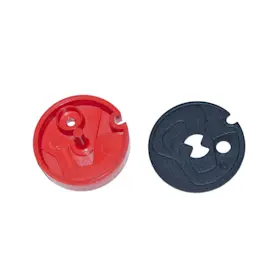
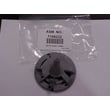
- Kenmore elite water softener rotor and disc 7199232 (helps when the valve won’t index correctly)
- Water softener power transformer 7351054 (helps when the control has no power)
Why it matters
A softener that’s past its prime can waste salt and water, regenerate too often, and still allow scale buildup in plumbing and water-using appliances. Knowing the typical lifespan helps you decide whether a seal kit repair makes sense or whether it’s time to replace the system.
Last updated: January 2026