Owner’s manual


Is the Whirlpool GGW9250PW0 a washer or dryer?
The Whirlpool GGW9250PW0 is a dryer (a gas dryer model), not a washer. If you are confirming installation, venting, or operating details for this specific model, use the instructions in the GGW9250PW0 owner's manual.
Quick identification tips
- Model prefix: Whirlpool model numbers starting with GGW are commonly used for gas dryers.
- Venting requirement: This model must be exhausted outdoors using 4-inch (10.2 cm) heavy metal vent.
- Gas service safety: The dryer must be disconnected from the gas supply piping during certain pressure tests.
- Typical hookups: You will have a gas supply connection plus an electrical power connection.
Why it matters
Ordering parts and troubleshooting steps differ between washers and dryers. For example, dryer issues often involve airflow, heat, and drum drive components, while washers focus on fill, drain, and spin systems.
Common dryer parts you might shop by symptom (GGW9250PW0)
| Symptom | Common area to check | Example part for this model |
|---|---|---|
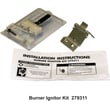
| Dryer tumbles but no heat | Gas ignition system | Igniter 279311 |
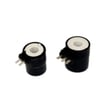
| Starts then stops heating | Gas valve coils | Dryer valve coil kit 279834 |
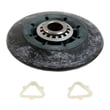
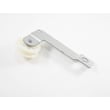
| Loud rumbling or thumping | Drum support system | Support WPW10314173 |
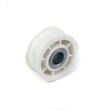
| Squealing noise | Belt tension system | Dryer idler pulley 279640 |
Safety and setup reminders (gas dryer)
- Use heavy metal vent; avoid plastic or foil venting.
- Do not vent into a chimney, wall, ceiling, or concealed space.
- Use clamps to seal joints; avoid screws that protrude into the duct.
Last updated: February 2026
What are common GGW9250PW0 problems?
Common Whirlpool GGW9250PW0 dryer problems fall into three buckets: it will not start, it runs but makes unusual noise, or it runs but does not heat (or takes too long to dry). Most fixes start with airflow, power, and a few high-wear drum and burner parts; use the GGW9250PW0 owner's manual for model-specific operating and troubleshooting steps.
Most common symptoms and what usually causes them
- Won’t start: tripped breaker, door not latching, control lock enabled, failed drive motor, or a safety device opening due to overheating.
- No heat or not enough heat (gas): restricted venting, weak gas valve coils, failed igniter, or a sensor/thermostat issue.
- Noisy: worn drum support rollers, idler pulley wear, blower wheel damage, or a drum seal rubbing.
- Long dry times: lint buildup in the exhaust path, crushed/kinked vent, or a clogged lint screen housing.
Quick checks we recommend first (fast, high-impact)
- Clean the lint screen every load and check for residue buildup.
- Confirm the exhaust duct is clear and the outside vent hood opens freely.
- Verify the dryer is level and not vibrating against a wall or cabinet.
- For gas models, confirm the gas shutoff valve is fully open and connections were leak-tested with an approved solution (per the manual).
- If the drum turns but heat is inconsistent, focus on the burner ignition system and airflow.
Parts that commonly solve these symptoms on GGW9250PW0
| Symptom | Common wear item | Example part for this model |
|---|---|---|
| Squealing, thumping | Drum support roller | Support WPW10314173 |
| Grinding, belt slack | Idler pulley | Dryer idler pulley 279640 |
| Runs but no flame | Gas valve coils | Dryer valve coil kit 279834 |
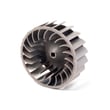
| Poor airflow noise | Blower wheel | Dryer blower wheel WP697772 |
Why it matters
Airflow and venting problems can cause overheating, shutdowns, weak heating, and long dry times. The manual also specifies using heavy 4-inch metal venting, which helps the dryer heat and dry correctly and reduces lint buildup risk.
Last updated: February 2026
What is the average lifespan of a whirlpool dryer?
A Whirlpool dryer typically lasts 10 to 13 years. For your Whirlpool GGW9250PW0, consistent maintenance (especially proper venting and lint control) helps the dryer heat correctly, run efficiently, and avoid premature wear on key parts like the drive system and blower.
Typical lifespan and what changes it
Most dryers land in a fairly tight range, but usage and airflow make a big difference.
- Average lifespan: 10 to 13 years
- Light use + excellent care: up to about 14 to 17 years
- Heavy use, poor venting, frequent overheating: often shorter
| Factor | What you’ll notice | What to do |
|---|---|---|
| Restricted exhaust venting | Long dry times, hot cabinet | Use a 4-inch heavy metal vent; keep it clear (see GGW9250PW0 owner’s manual) |
| Lint buildup in airflow path | Burning smell, weak airflow | Clean lint screen every load; clean ducting periodically |
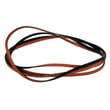
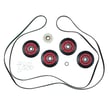
| Worn drum support/drive parts | Squealing, thumping, drum drag | Inspect rollers, idler, belt; consider a rebuild kit like dryer repair kit 4392067 |
| Heat system strain (gas models) | No heat or cycling heat | Check ignition components and sensors if symptoms appear |
Maintenance that extends life (high impact)
These steps protect the motor, drum, and heating system.
- Clean the lint screen before every load.
- Keep the exhaust vent run short and unobstructed; avoid plastic or foil-style venting.
- Do not overload; heavy loads strain the drive motor and drum supports.
- If dry times increase, clean the venting and check airflow before replacing parts.
- Address new noises early; worn rollers or an idler can damage the belt and drum over time.
Why it matters
A dryer that breathes properly runs cooler and dries faster. That reduces overheating stress on thermostats and sensors, and it also reduces wear on mechanical parts such as the idler pulley, drum support rollers, and blower wheel.
Last updated: February 2026
What is the capacity of the Whirlpool GGW9250PW0?
The drum capacity for the Whirlpool GGW9250PW0 is listed in the product specifications section of the GGW9250PW0 owner's manual. This model is a full-size Whirlpool gas dryer; most full-size dryers in this class are commonly around 7.0 cu. ft., but the manual is the correct source for the exact figure.
How to find the exact capacity for GGW9250PW0
Use the manual’s specifications pages and look for “capacity,” “drum volume,” or “cubic feet.”
- Open the GGW9250PW0 owner's manual
- Go to the specifications or feature summary section
- Look for “cu. ft.”, “capacity”, or “drum” details
- If you only see dimensions, check the model’s feature pages in the manual
- Write down the value for future reference (it helps when comparing dryers)
What capacity means for real-world loads
Capacity is about how much space clothes have to tumble; more tumbling space improves airflow and even drying.
| Load type | Best practice in a full-size drum | Result |
|---|---|---|
| Mixed everyday laundry | Fill about 1/2 to 2/3 full | More even drying |
| Towels and denim | Keep closer to 1/2 full | Fewer damp spots |
| Bulky bedding | Load loosely, do not pack | Better airflow |
Why it matters
Using the right load size reduces dry time, helps prevent wrinkles, and lowers heat stress on parts that support airflow and temperature control. If drying is slow, inspect airflow components such as the dryer blower wheel WP697772.
Last updated: February 2026
Why did my whirlpool dryer stop?
If your Whirlpool dryer model GGW9250PW0 stopped mid-cycle, the most common causes are a paused or canceled cycle, the control lock being enabled, a door switch issue, or overheating from restricted airflow. Start by resetting the cycle correctly, then check lint and venting.
Quick checks we recommend first
- Press PAUSE/CANCEL twice to fully stop and clear the cycle.
- Close the door firmly, then press and hold HOLD TO START for about 1 second.
- If the dryer won’t restart, check whether Control Locked is on; when locked, the dryer can stop but cannot restart until unlocked.
- Clean the lint screen; residue buildup can cause longer dry times and can make the dryer stop before the load is dry.
- Check the exhaust vent for blockage or crushed ducting; poor airflow can overheat the dryer.
For the exact button sequence and control lock steps for GGW9250PW0, use the GGW9250PW0 owner's manual.
What “stopped” usually means (symptom-to-cause guide)
| What you notice | Most likely cause | What to do next |
|---|---|---|
| Dryer stops and won’t restart | Control lock enabled, door not fully closed, cycle cleared | Unlock controls, reselect cycle, hold Start |
| Dryer stops before clothes are dry | Lint screen residue, restricted venting, moisture sensing issues | Clean screen and venting, then retest |
| Drum stops turning but heat may still be present | Drive system wear (belt, rollers, idler) | Inspect drum support and idler components |
| Stops after running a short time | Overheating from airflow restriction, thermostat/fuse opening | Clear venting, then test safety components |
Parts that commonly fix a “stops” complaint
If airflow is good and the controls are operating normally, we typically inspect the drive and heat-safety components next.
- Drum support wear can cause drag and shutdown symptoms; check the support WPW10314173.
- A weak idler can affect belt tension; inspect the dryer idler pulley 279640.
- If the dryer is gas and heat drops out or cycles oddly, ignition components can be involved; check the dryer valve coil kit 279834.
- If the dryer is overheating, the high-limit safety circuit is a common checkpoint; inspect the dryer high-limit thermostat W11050897.
Why it matters
A dryer that stops is often protecting itself from overheating or responding to a control input (pause/cancel, control lock, door). Fixing airflow and confirming correct restart steps prevents repeat shutdowns and helps protect the motor, burner, and thermostats.
Last updated: February 2026