Owner’s manual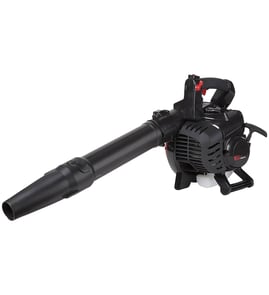



What is better, cfm or mph for a leaf blower?
Neither CFM nor MPH is “better” by itself; they measure different performance strengths. For a Craftsman gas blower like model 358794700, the best choice depends on what you’re moving: higher CFM moves more debris volume, while higher MPH helps break loose wet, stuck-on leaves. Use the 358794700 owner's manual to match performance to your typical jobs.
What CFM and MPH actually tell you
- CFM (cubic feet per minute): how much air the blower moves; best for piling and pushing lots of dry leaves.
- MPH (miles per hour): how fast the air stream is; best for dislodging damp leaves, pine needles, and debris in cracks.
- Nozzle design matters: a narrow nozzle can increase “effective” force at the tip even if CFM is lower.
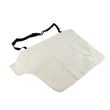
- Vacuum/mulch use: airflow volume (CFM) often matters more when feeding debris into a vacuum bag.
Which one to prioritize (quick guide)
| Your typical cleanup | Prioritize | Why |
|---|---|---|
| Large driveway or lawn with dry leaves | Higher CFM | Moves more material per pass |
| Wet leaves, matted grass, stuck debris | Higher MPH | Breaks debris loose |
| Mulching or vacuuming | Higher CFM (plus good sealing) | Keeps debris moving through the tube |
| Tight areas (beds, corners) | Balanced | Control plus enough force |
Practical “sweet spot” ranges
Most handheld gas blowers that feel versatile land around 400 to 700 CFM and 150 to 200 MPH. If you can only choose one spec to emphasize, pick based on your most common debris type and whether you need “volume” (CFM) or “punch” (MPH).
Why it matters
Choosing the right balance reduces cleanup time and strain on the engine because you’re not running wide-open just to get acceptable performance.
Last updated: January 2026
What is the best gas-powered leaf blower on the market?
The “best” gas-powered leaf blower depends on your yard size and how long you’ll run it at a time; for most shoppers, the top pick is the one that delivers the airflow you need (CFM/MPH) with comfortable handling and easy starting. For your Craftsman model 358794700, we recommend using the 358794700 owner's manual to match performance needs to safe operation and maintenance.
How we recommend choosing the best gas leaf blower
Focus on real-world fit first, then brand and features.
- Handheld vs. backpack: handheld for quick cleanup; backpack for long sessions and large lots
- Airflow and speed: higher CFM moves more leaves; higher MPH helps lift wet debris
- Weight and ergonomics: trigger comfort, vibration control, and harness quality matter
- Starting and fueling: reliable choke/primer behavior, easy access to air filter and spark plug
- Serviceability: parts availability for wear items like fuel lines, primer bulb, and air filter
Quick comparison: handheld vs. backpack
| Type | Best for | Typical strengths | Typical tradeoffs |
|---|---|---|---|
| Handheld gas blower | Small to medium yards, spot cleanup | Lighter, easier to store | More arm fatigue over time |
| Backpack gas blower | Large yards, heavy leaf season | Higher output, less arm strain | Higher cost, more storage space |
Brands and models that are commonly top-rated
Across the market, Echo, Stihl, and Husqvarna are consistently strong for power and durability. Popular examples shoppers compare include:
- Husqvarna 150BT (backpack)
- Stihl BR 800 C-E Magnum (backpack)
- Echo PB-2620 (handheld)
Why it matters (especially for a gas blower)
A gas blower that is slightly “less powerful” on paper can still be the best choice if it starts easily, runs smoothly, and is comfortable to use. Keeping your blower maintained also protects performance; a restricted air filter or aging fuel line can make any blower feel weak.
If your current blower is hard to start or runs rough, our leaf blower won't start troubleshooting guidance helps you decide whether maintenance items (like the leaf blower air filter 545146501 or ayp leaf blower primer bulb 530035497) are the next best step.
Last updated: January 2026
What is the life expectancy of a gas leaf blower?
A gas leaf blower like the Craftsman 358794700 typically lasts about 10 years with normal homeowner use and consistent maintenance (clean air filter, fresh fuel mix, and proper storage). Heavy use, dirty conditions, and neglected fuel system care shorten lifespan.
What affects lifespan the most
- Fuel quality and storage: old fuel and ethanol-related varnish are the #1 cause of hard starting and carburetor issues.
- Air filtration: a clogged filter makes the engine run rich and can foul the spark plug.
- Fuel lines and primer bulb condition: cracked lines or a leaking bulb cause lean running and poor starting.
- Cooling airflow: debris buildup around the engine can lead to overheating.
- Seasonal storage habits: storing with fuel in the tank often leads to gummed-up carburetor passages.
Maintenance checklist (keeps a blower running longer)
Use the intervals and procedures in the 358794700 owner's manual.
- Replace or clean the air filter regularly (consider leaf blower air filter 545146501).
- Inspect fuel lines for softness, cracks, or leaks (common replacement: ayp lawn & garden equipment fuel line, large 530069216).
- Check the primer bulb for cracking or fuel seepage (common replacement: ayp leaf blower primer bulb 530035497).
- Use fresh, properly mixed fuel; avoid storing mixed fuel for long periods.
- Before long-term storage, run the engine dry or follow a storage procedure (see preparing a leaf blower for long term storage).
Typical lifespan ranges (what we see most often)
| Use pattern | Typical life expectancy | What usually fails first |
|---|---|---|
| Light seasonal homeowner use | 10+ years | Fuel lines, primer bulb, air filter |
| Regular weekly use | 7 to 10 years | Carburetor, recoil starter parts |
| Heavy/dirty conditions | 5 to 7 years | Air filtration, fuel system, vibration-related wear |
Why it matters
A leaf blower’s engine is small and sensitive to airflow and fuel condition. Staying ahead of basic wear items (air filter, fuel line, primer bulb) prevents expensive problems like carburetor damage and hard-start complaints.
Last updated: January 2026