Error Codes



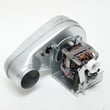
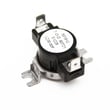
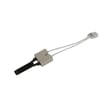
How to find part number for Samsung dryer?
To find the correct part number for your Samsung dryer, we match parts to the exact model number on the appliance ID tag. For Samsung model DV405GTPASU, the tag is typically on the front frame behind the door; a backup tag is often on the rear panel.
Check these common locations in order:
- Open the dryer door and look on the front frame (door opening area)
- Look along the inside edge of the door opening for a sticker or metal plate
- Check the back of the dryer cabinet for a second label
- If the label is hard to read, use a flashlight and take a close-up photo
Once you have the model number, we use it to pull the exact parts list and diagrams for that configuration (gas vs. electric, revisions, and production changes). Then you can identify the part by symptom or location.
| Symptom | Common part type to check | Example part on this model page |
|---|---|---|
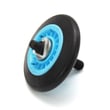
| Squealing or thumping | Drum support roller, belt | Samsung dryer drum support roller DC97-16782A |
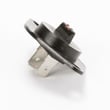
| No heat or overheating | Thermistor, thermal cut-off, high-limit thermostat | Dryer thermistor DC32-00007A |
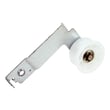
| Drum not turning | Belt, motor | Samsung dryer drum belt 6602-001655 |
- Use the full model number exactly as shown on the tag (letters and dashes matter)
- Compare the part name and photos to what you see in the dryer
- If multiple similar parts appear, match by location (blower housing vs. drum area)
- For heating issues, check airflow first; a clogged vent can mimic failed thermostats
Samsung dryers can have multiple versions under a similar model family. Using the exact model number (DV405GTPASU) prevents mismatches and helps you choose the correct replacement part the first time.
Last updated: February 2026
What is the average lifespan of a Samsung dryer?
A Samsung dryer typically lasts 10 to 15 years with normal household use. For your Samsung DV405GTPASU, consistent airflow maintenance (lint and vent cleaning) and avoiding overloads are the biggest factors that push lifespan toward the high end.
- Vent restriction and lint buildup (overheats parts and increases run time)
- Overloading (stresses the drum belt, rollers, and motor)
- Heat system cycling (thermostats and sensors wear faster when airflow is poor)
- Moisture and corrosion (laundry room humidity can shorten electrical life)
- Preventive cleaning (keeps temperatures stable and reduces strain)
| Task | How often | Why it matters |
|---|---|---|
| Clean lint screen | Every load | Keeps airflow strong and drying times normal |
| Check vent airflow at exterior hood | Monthly | Prevents overheating and long dry times |
| Clean vent duct (full run) | Every 6 to 12 months | Reduces heat stress on thermostats and motor |
| Vacuum lint inside cabinet (if accessible) | Yearly | Helps protect wiring, motor, and blower |
If your DV405GTPASU starts squealing, thumping, or taking longer to dry, these are common wear items to inspect and replace:
- Samsung dryer drum support roller DC97-16782A
- Samsung dryer drum belt 6602-001655
- Dryer thermal cut-off thermostat DC47-00016A
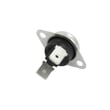
- Dryer high-limit thermostat DC47-00017A
- Dryer drive motor DC31-00055H
A dryer that runs hot or runs long does not just waste energy; it accelerates wear on the drum support system, blower airflow components, and safety thermostats. Keeping airflow clear is the simplest way to extend service life and reduce breakdowns.
Last updated: February 2026
How to know if a Samsung dryer heating element is bad?
If your Samsung dryer (model DV405GTPASU) runs but doesn’t heat, the heating element is often the cause. We confirm it by unplugging the dryer, inspecting the element for a broken coil, then testing the element with a multimeter for continuity and for a short to the metal housing.
- Dryer tumbles normally but clothes stay cold or damp
- Heat works briefly, then stops (can also be a thermostat or airflow issue)
- Burning smell or visible damage near the heater housing
- Breaker trips when heat should turn on (possible short to ground)
- Disconnect power (unplug electric dryer or shut off the breaker). For gas models, shut off gas too.
- Access the heater terminals (location varies by Samsung design).
- Set your multimeter to ohms (Ω) or continuity.
- Continuity test: probe the two element terminals.
- A good element shows continuity (often a low resistance reading).
- No continuity (open circuit) means the element is bad.
- Ground fault test: probe one terminal and then the metal heater housing.
- You should get no continuity to the housing.
- Continuity to the housing means the element is shorted and must be replaced.
A failed heating element is common, but these parts can also stop heat or cause overheating:
- Dryer thermal cut-off thermostat DC47-00016A
- Dryer high-limit thermostat DC47-00017A
- Dryer thermistor DC32-00007A
- Restricted venting or a clogged lint path
| Check | What you’re looking for | Why it matters |
|---|---|---|
| Lint screen | Clear, not coated with residue | Poor airflow causes long dry times and heat shutdowns |
| Vent hose | Not crushed, kinked, or excessively long | Backpressure reduces heat and airflow |
| Outside vent hood | Strong airflow flap opens fully | Blockage can trigger safety thermostats |
A bad heating element (or a shorted one) can leave the dryer running with no heat, or it can overheat and repeatedly trip safety thermostats. Confirming the element with a meter helps you avoid replacing the wrong part.
For more Samsung-specific fault patterns, use our Samsung dryer error codes reference alongside your troubleshooting.
Last updated: February 2026
How to reset a Samsung Moisture Sensor dryer?
To reset the moisture-sensing system on your Samsung dryer model DV405GTPASU, we recommend a simple power reset (unplug for 5 minutes, then restore power). If drying results still seem “off,” cleaning the moisture sensor bars and checking airflow fixes the root cause more often than repeated resets.
- Turn the dryer OFF.
- Unplug the power cord (or switch the breaker OFF).
- Wait 5 minutes.
- Restore power and run a Timed Dry test for 10 to 15 minutes.
- If the display is unresponsive, repeat the power reset once.
Moisture sensors read through two metal bars inside the drum. Fabric softener residue can insulate the bars and make the dryer stop early or run too long.
- Locate the two metal sensor bars (usually just inside the drum near the lint filter housing).
- Clean them with rubbing alcohol on a soft cloth.
- Lightly scrub stubborn film with a non-scratch pad.
- Avoid spraying cleaner directly into the dryer.
Restricted venting can mimic a “bad sensor” by overheating, cycling off, or extending dry times.
- Clean the lint screen before every load.
- Inspect the vent hose for kinks, crushing, or long runs.
- Make sure the exterior vent hood opens fully.
- If the dryer overheats or shuts down, test safety thermostats.
| Symptom | Most likely cause | What to do first |
|---|---|---|
| Stops too soon, clothes damp | Dirty sensor bars | Clean sensor bars with alcohol |
| Runs too long | Vent restriction | Check venting and lint buildup |
| No heat or heat cuts out | Heating safety device opening | Inspect thermostats and airflow |
| Error code present | Control detected a fault | Use Samsung dryer error codes |
If cleaning and vent checks do not help, these parts commonly influence temperature control and cycle behavior:
- Dryer thermistor DC32-00007A (temperature sensing)
- Dryer thermal cut-off thermostat DC47-00016A (safety cut-off)
- Dryer high-limit thermostat DC47-00017A (overheat protection)
Moisture-sensing cycles depend on accurate sensor readings and stable airflow. A quick reset clears a temporary control glitch, but cleaning the sensor bars and restoring proper venting prevents repeat poor drying, overheating, and nuisance shutoffs.
Last updated: February 2026