 Owner’s manual

Can you use R134a in a home AC system?
No. The Icp N4A348AKB200 is a split-system air conditioner designed for R410A refrigerant; using R134A in a system built for R410A leads to incorrect operating pressures, poor cooling, and a high risk of compressor damage. Follow the refrigerant and service guidance in the owner's manual.
Why R134A is not a substitute for R410A
R134A and R410A are not interchangeable in residential split systems. They differ in operating pressure, capacity, and oil compatibility, so charging the wrong refrigerant can quickly turn a minor issue into a major repair.
What can go wrong if the wrong refrigerant is used:
- Incorrect suction and discharge pressures
- Reduced cooling capacity and efficiency
- Compressor overheating and premature failure
- Metering device performance problems
- Contamination of the system and recovery equipment
What to do instead (safe, practical next steps)
If your system is not cooling or you suspect a refrigerant issue, focus on the basics first. The homeowner checks below are the same ones we recommend for the N4A348AKB200.
- Verify the thermostat is set to COOL and the set temperature is below room temperature
- Inspect the return air filter; replace or clean it if dirty
- Check breakers and fuses; reset or replace as needed
- Inspect the outdoor coil and fins; clear leaves, grass, lint, and other debris
- Confirm the outdoor fan is not obstructed
Quick checks vs. refrigerant work
Refrigerant handling is specialized work; most homeowners can still rule out common airflow and power problems first.
| Task | Typical DIY? | Notes |
|---|---|---|
| Replace/clean return air filter | Yes | Dirty filters are a leading cause of poor cooling and compressor stress |
| Clear debris from outdoor unit | Yes | Turn off power before cleaning around the unit |
| Electrical diagnosis inside panels | No | Shock hazard; use a qualified technician |
| Recover/evacuate/charge refrigerant | No | Requires proper tools and correct refrigerant |
Why it matters
Using the correct refrigerant protects the compressor and keeps the system operating at the efficiency it was designed to deliver. A simple airflow restriction (like a dirty filter) can mimic low-refrigerant symptoms, so basic maintenance checks often save time and money.
Last updated: February 2026
How many square feet will a 24000 BTU air conditioner handle?
A 24,000 BTU (2-ton) air conditioner typically cools about 1,000 to 1,500 square feet. For your Icp N4A348AKB200 split-system air conditioner (R410A), the right size depends on insulation, sun exposure, ceiling height, and how low you set the thermostat; confirm your system setup in the owner's manual.
Quick sizing guide (typical homes)
- 1,000 to 1,200 sq. ft.: older home, lots of sun, higher humidity, or poor insulation
- 1,200 to 1,500 sq. ft.: average insulation and typical ceiling heights
- Up to ~1,600 sq. ft.: very good insulation, shaded windows, tight construction
- Less coverage if ceilings are tall (vaulted) or there are large west-facing windows
- More coverage if you keep doors closed and manage heat sources (cooking, electronics)
Why the square footage number varies
Cooling capacity is only one piece of comfort. These factors change the load a lot:
- Insulation and air leaks (attic, doors, ductwork)
- Window size, orientation, and shading
- Local humidity and how much outside air enters the home
- Number of occupants and heat-producing appliances
- Thermostat setpoint and fan setting (AUTO vs ON)
How to tell if 24,000 BTU is the right size
Use these common symptoms as a quick check.
| If the system is... | What you may notice | What it usually means |
|---|---|---|
| Too small | Runs constantly and still feels warm | Home load is higher than capacity |
| Too large | Short cycles, clammy air, uneven temps | Not enough run time for dehumidification |
| Right sized | Longer steady cycles, even temps | Better comfort and efficiency |
Practical tips for better performance
These steps help any split-system air conditioner deliver its rated cooling:
- Set the thermostat to COOL and a temperature below room temperature
- Keep the return air filter clean
- Keep the outdoor coil and fins clear of leaves, grass, and lint
- Check breakers and fuses if the system will not run
Why it matters
Correct sizing helps your N4A348AKB200 control temperature and humidity without excessive cycling, which improves comfort and can reduce wear on electrical parts like the central air conditioner contactor 1172472.
Last updated: February 2026
What are the most common issues with N4A348AKB200?
For the Icp N4A348AKB200 split-system air conditioner (R410A), the most common problems are “won’t start,” “runs but doesn’t cool,” and “outdoor unit is noisy.” These issues usually trace to power/control parts, airflow/coil condition, or the condenser fan motor circuit; use the owner's manual for model-specific checks.
Most common symptoms and what they usually mean
- Outdoor unit will not run: failed contactor, no 24-volt control signal, tripped disconnect/breaker, or a blown fuse in the electrical path.
- Outdoor unit runs but poor cooling: dirty condenser coil, restricted indoor airflow (filter/duct), or refrigerant system problem.
- Buzzing or chattering at the outdoor unit: weak/failed contactor or low control voltage.
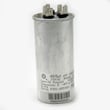
- Fan not spinning or unit overheats: failing condenser fan motor or a motor capacitor issue.
- Intermittent operation: loose wiring connections, heat-related electrical failure, or control signal dropouts.
Quick checks we recommend (before parts replacement)
- Turn thermostat to Cool and set temperature well below room temp.
- Confirm the outdoor disconnect is on and the breaker is not tripped.
- Inspect the condenser coil for debris; gently clean and keep clearance around the unit.
- Replace/clean the indoor air filter and confirm supply/return vents are open.
- Listen for a solid “click” at startup; repeated clicking often points to a control or contactor problem.
Parts that commonly fix “won’t start” or “no cooling” complaints
| Symptom | Common suspect | Example part for this model |
|---|---|---|
| Outdoor unit silent | Contactor not pulling in | Central air conditioner contactor 1172472 |
| Fan not running, compressor shuts off on heat | Condenser fan motor circuit | Motor,cond 1185924 |
| Electrical safety/grounding concern | Ground connection hardware | Lug ground 1172300 |
Why it matters
Catching airflow and electrical issues early helps prevent compressor overheating, nuisance shutdowns, and repeated breaker trips. On an R410A split system like the N4A348AKB200, protecting the compressor and keeping coils clean has the biggest impact on reliability.
Last updated: March 2026