Owner’s manual
 Error Codes


What is the average lifespan of a Kenmore Elite refrigerator?
Most Kenmore Elite refrigerators typically last 10 to 15 years. For a Kenmore bottom-mount like model 79571606012, lifespan depends most on routine care (especially cleaning condenser coils and keeping door gaskets sealing) and avoiding heavy strain on the sealed system; those factors often decide whether it reaches the high end of that range.
Typical lifespan and what affects it
A refrigerator’s life is usually limited by cooling-system wear and heat buildup.
- 10 to 15 years is the normal expectation for modern refrigerators
- Heat and dust around the condenser area shorten compressor life
- Poor door sealing forces longer run times and faster wear
- Power interruptions/surges can stress electronic controls and motors
- Deferred maintenance (coils, gaskets, airflow) is the most common avoidable cause
Quick reference table
| Item | Typical impact on lifespan | What to do |
|---|---|---|
| Condenser coils | High | Clean regularly per the 79571606012 owner's manual |
| Door gaskets | Medium to high | Keep clean, check for gaps; replace if torn |
| Compressor run time | High | Reduce door openings, keep vents clear |
| Room temperature | Medium | Avoid placing near heat sources |
Maintenance that most reliably extends life
The Use & Care Guide for this Kenmore model includes routine cleaning topics such as condenser coils and door liner and gaskets, which are key to long-term reliability.
- Vacuum and brush condenser coils on a regular schedule
- Clean and dry door gaskets so they seal without sticking or warping
- Keep food from blocking interior air vents so airflow stays balanced
- Set temperatures correctly and avoid frequent, long door openings
- Level the refrigerator so doors close fully and consistently
Why it matters
A refrigerator that runs hot or leaks air through the door seal can run 40% to 80% of the time under normal conditions (and more in warm conditions). Longer run time increases wear on the compressor and fans, which directly affects how long the refrigerator lasts.
Last updated: January 2026
What are the common problems with Kenmore Elite refrigerators?
Common problems we see on Kenmore Elite refrigerators like model 79571606012 are poor cooling, frost or water buildup, and unusual noises. Many issues trace back to airflow (dirty condenser coils or a failed fan), door sealing, or normal defrost and ice maker operation; the troubleshooting steps in the 79571606012 owner's manual help pinpoint the cause.
Most common symptoms and what usually causes them
- Not cooling or warm temperatures: dirty condenser coils, blocked vents, evaporator fan issues, or the unit accidentally left in Demo (Demonstration) Mode.
- Compressor runs a lot: frequent door openings, warm room temperature, or heavy food load; high-efficiency compressors often run longer by design.
- Buzzing, popping, sizzling, or water sounds: normal expansion and defrost sounds, water draining to the pan, or airflow from the condenser fan.
- Lights not working: door left open too long, loose/burned-out bulb, or power issue.
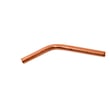
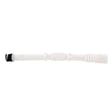
- Water under the refrigerator or ice buildup: a clogged/iced drain path; the refrigerator drain tube 5251JA3003D is a common service part when the drain tube is damaged or won’t clear.
Quick checks we recommend first (safe, no tools)
- Confirm the refrigerator is plugged in and the breaker is not tripped.
- Make sure the doors fully close and the gaskets seal all the way around.
- Check for Demo Mode; on this style, opening a door and holding Ultra Ice + Refrigerator Temp for 5 seconds typically turns Demo Mode off.
- Clean dust from the condenser coil area and make sure airflow around the cabinet is not blocked.
- Listen for when the noise happens (during defrost, when doors open, when the ice maker cycles).
What’s normal vs. what needs attention
| What you notice | Often normal | Often needs repair |
|---|---|---|
| Popping or cracking | Cabinet expansion/contraction | Loud, constant banging |
| Sizzling | Water on defrost heater | Burning smell or repeated tripping |
| Running water sound | Defrost water draining | Water leaking onto the floor |
| Compressor runs long | Warm room, frequent openings | No cooling, clicking start attempts |
Why it matters
Catching airflow and door-seal problems early helps protect food temperatures and reduces compressor run time, which can prevent bigger failures later.
Last updated: January 2026
How to raise a refrigerator off the floor?
To raise a Kenmore 79571606012 refrigerator off the floor, we adjust the front leveling legs to lift the front of the cabinet and stabilize it. Turn the leveling legs to raise the side you need, then recheck door closing and overall stability using the steps in the 79571606012 owner's manual.
How to raise the refrigerator safely
- Move the refrigerator into position (close to where it will stay).
- Open the freezer drawer and remove the base cover (the manual shows the screw locations).
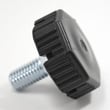
- Use an 11/16-inch (18 mm) wrench or a flat-blade screwdriver on the leveling legs.
- Adjust the legs in small increments, then recheck level and door closing.
Leveling leg direction (what to turn)
- Turn the leveling leg clockwise to raise that side.
- Turn the leveling leg counterclockwise to lower that side.
- Make several turns as needed; height changes are gradual.
- Have someone push backward against the top of the refrigerator to take weight off the legs and make turning easier.
- After adjustments, replace the base cover.
Quick checklist after you raise it
- Doors close easily without swinging open.
- Refrigerator feels stable and does not rock.
- Front is slightly higher than the back (recommended for good door closing).
- Both leveling legs are supporting weight evenly.
Common symptoms and what they usually mean
| What you notice | What to adjust | Typical fix |
|---|---|---|
| Doors do not close on their own | Front is too low | Raise both front leveling legs evenly |
| Refrigerator rocks | One side is low | Raise the low side leveling leg |
| Uneven gap between fresh food doors | Door alignment issue | Add snap rings at the middle hinge (per manual) |
Why it matters
Raising and leveling the Kenmore 79571606012 correctly prevents cabinet rocking, helps the doors seal, and improves temperature stability in the refrigerator and freezer compartments.
Last updated: January 2026
Why is my Kenmore refrigerator leaking underneath?
Water under a Kenmore 79571606012 bottom-mount refrigerator is usually caused by a defrost drain that is clogged or frozen, or by a water supply connection that is seeping and running down to the floor. We focus first on clearing the drain path and then checking the water line and drain pan.
Quick checks that fix most leaks
- Unplug the refrigerator before accessing internal panels or working near wiring.
- Look for ice or debris at the drain opening inside the fresh food section (rear bottom area).
- Flush the drain with warm water to melt ice and push out sludge.
- Pull the unit forward and inspect the 1/4-inch water tubing and fittings for slow drips.
- Check the drain pan underneath for cracks or overflow.
Step-by-step: clear a clogged or frozen defrost drain
- Move food away from the back wall and remove shelves/bins as needed.
- Find the drain opening at the rear bottom of the refrigerator compartment.
- Flush with warm water using a turkey baster or squeeze bottle; repeat until it drains freely.
- If it refreezes quickly, clear any ice buildup around the drain trough and confirm the drain tube is seated.
If the drain tube is damaged or won’t stay connected, replacing the refrigerator drain tube 5251JA3003D restores proper drainage.
If the leak is from the water line or icemaker supply
The manual’s water line instructions emphasize tightening any connections that leak and checking for dripping after turning the water on.
Use this checklist:
- Inspect the shutoff valve connection and the compression nut/ferrule at the refrigerator inlet.
- Make sure the tubing is routed so it does not vibrate against the cabinet or wall.
- Dry all fittings, then watch for fresh moisture over 5 to 10 minutes.
| What you see | Most likely cause | What to do |
|---|---|---|
| Puddle after defrost cycle | Defrost drain restriction | Flush/clear drain path |
| Slow drip behind unit | Loose compression fitting | Tighten and recheck |
| Water only when dispensing/ice making | Supply line seep or valve area leak | Inspect tubing and inlet area |
Why it matters
A small drain or tubing issue can keep feeding water to the floor, leading to recurring puddles and ice buildup in the freezer area. Fixing the drain path and stopping slow drips prevents repeat leaks.
For diagrams and access points specific to this model, use the 79571606012 manual.
Last updated: January 2026