Owner’s manual



What is the capacity of Samsung WF431ABP?
The Samsung WF431ABP washer has a 3.9 cu. ft. capacity. That is the usable drum size for washing loads; it helps you match load size, detergent amount, and cycle selection to get better cleaning and spinning performance.
A 3.9 cu. ft. front-load washer like the WF431ABP handles most everyday loads well when you avoid packing items tightly.
- Load loosely so items can tumble and rinse fully
- Keep bulky items (comforters, jackets) to one or two pieces per load
- Mix large and small items to balance the spin
- Use HE detergent and measure carefully (too much causes oversudsing)
- Choose the correct soil level and spin speed for the fabric
| Load type | What typically fits well in 3.9 cu. ft. | Tip |
|---|---|---|
| Everyday mixed load | Several shirts, underwear, socks, and a few towels | Do not compress the load |
| Towels | A medium towel load | Use high spin to reduce dry time |
| Bulky items | One comforter or a couple of jackets | Use a bulky/bedding cycle if available |
Using the washer near its true capacity (without overfilling) reduces vibration, helps prevent out-of-balance spinning, and lowers wear on suspension parts such as the Samsung washer shock absorber DC66-00470A. For cycle details and load recommendations specific to this model, follow the WF431ABP owner's manual.
If you need replacement parts for your Samsung WF431ABP, you can order them from the parts list for this model or search by model number on Sears PartsDirect.
Last updated: February 2026
What is the lifespan of a Samsung front load washer?
A Samsung front load washer typically lasts 10 to 15 years. For your Samsung WF431ABP, reaching the high end of that range depends on routine cleaning, correct loading, and fixing wear items early (especially drain and door-seal related issues). See the WF431ABP owner's manual for the maintenance schedule.
Most front-load washers fail early for a few predictable reasons. Keeping these under control is what extends service life.
- Overloading increases bearing, tub, and suspension wear
- Too much detergent causes residue, odors, and poor draining
- Infrequent cleaning leads to mold and buildup in the door boot and dispenser
- Drain restrictions strain the pump and can trigger drain errors
- Out-of-level installation increases vibration and shock absorber wear
Use these practices to reduce common failures in Samsung front-load designs.
- Leave the door slightly open between loads to dry the door boot
- Wipe the door glass and inner lip of the boot after the last load of the day
- Run a monthly tub-clean cycle (or hottest cycle) as your manual recommends
- Use HE detergent and measure carefully (less is usually better)
- Check pockets for coins, screws, and hairpins to protect the drain pump
When a washer is otherwise in good shape, replacing a few parts often restores performance.
| Symptom | Common wear area | Example part for WF431ABP |
|---|---|---|
| Loud banging, excessive vibration | Suspension | Samsung washer shock absorber DC66-00470A |
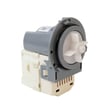
| Won’t drain, slow drain, humming | Drain system | Washer drain pump DC31-00054D |
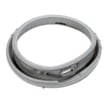
| Leaks at the door, musty smell | Door seal/clamps | Washer door boot DC64-01570A |
A front-load washer can run for 10 to 15 years, but small problems compound fast. A minor door-boot leak can damage nearby components, and a partially clogged drain can overwork the pump. Ordering the correct replacement parts for WF431ABP from the parts list, or searching by model on Sears PartsDirect, helps you keep repairs cost-effective.
Last updated: February 2026
What is the most common problem with the Samsung washing machine?
On the Samsung WF431ABP washer, the most common problems are not draining, excessive vibration during spin, and slow or no fill. These usually come from a clogged drain path, an unbalanced load or leveling issue, or a worn water inlet or suspension component.
- Redistribute the load; avoid washing one heavy item by itself.
- Level the washer so all feet sit firmly on the floor.
- Check the drain hose for kinks and correct standpipe height.
- Clean the drain pump filter area and remove coins, lint, and small items.
- Confirm both water supply valves are fully open; clean inlet screens.
| Symptom | Most likely cause | Common fix |
|---|---|---|
| Won’t drain or stops mid-cycle | Clog or failing pump | Clear blockage; replace pump if noisy or not pumping |
| Shakes, bangs, or “walks” | Unbalanced load or worn suspension | Rebalance load; replace shocks if weak |
| Slow fill or no fill | Restricted screens or sticking valve | Clean screens; replace inlet valve |
| Door leak | Boot not sealing or clamp loose | Inspect boot and clamps; replace damaged parts |
- Washer drain pump DC31-00054D for no-drain, slow-drain, or pump noise
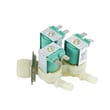
- Washer water inlet valve DC62-30314K for slow fill or no fill
- Samsung washer shock absorber DC66-00470A for excessive vibration in spin
- Washer door boot DC64-01570A for leaks at the door opening
Drain and balance problems can prevent a full-speed spin, leaving clothes wet and increasing wear on the tub and suspension. Matching the symptom to the right system (drain, fill, or suspension) prevents unnecessary part replacement.
For model-specific cleaning steps and error-code troubleshooting for WF431ABP, use the WF431ABP/XAA-01 owner’s manual. If you need to order parts, use the parts list for this model or search by model number on Sears PartsDirect.
Last updated: February 2026