Owner’s manual
 View engine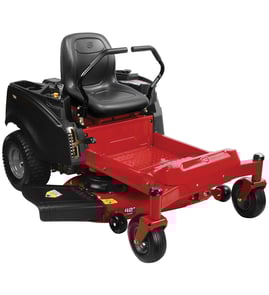


How to find riding lawn mower model number?
For your Craftsman riding mower model 247204221, the model number is typically printed on a product ID label or stamped tag on the frame or under the seat area. Use the exact model number when ordering parts or checking diagrams in the 247204221 owner's manual.
Look for a white or silver sticker, or a stamped metal tag, in these spots:
- Under the seat (seat pan, seat bracket, or seat deck)
- Rear of the frame near the hitch area
- Between the rear wheels on the frame cover
- On the left or right side of the frame rail
- Near the engine area (starter housing or blower housing)
- On or near the cutting deck (often on the left side)
The label often includes multiple identifiers. We recommend recording all of these:
- Model number (example: 247204221)
- Serial number (unique to your mower)
- Manufacture date (sometimes shown)
- Engine model/type/code (on the engine itself, not the mower frame)
| Item on label | What it’s used for | Example |
|---|---|---|
| Model number | Selecting the correct parts diagrams | 247204221 |
| Serial number | Verifying production run details | Varies |
| Engine numbers | Getting engine-specific parts (filters, carb parts) | Varies |
Craftsman riding mowers can look similar across multiple model series, but parts like a ground drive belt, interlock switch, or starter solenoid can vary by model. Using the exact model number helps ensure the right fit the first time.
Last updated: January 2026
How to identify a lawn mower engine?
To identify the engine on your Craftsman riding mower model 247204221, locate the engine’s ID label or stamped numbers on the engine itself (not the mower frame). The most useful identifiers are the engine model, type/spec, and code/serial numbers; use them to match parts and manuals.
Check these common locations first (clean the area so the numbers are readable):
- Above or near the muffler: often stamped into a metal heat shield or nearby sheet metal
- Blower housing (recoil/shroud): a sticker or stamped pad on the top or side of the engine cover
- Front or side of the engine block: a flat machined pad with stamped numbers
- Near the air cleaner housing: label may be on the air box or adjacent engine shroud
- Valve cover area: sometimes a tag is attached nearby
For model-specific diagrams and labeling guidance, use the 247204221 owner's manual.
Engine identification usually includes multiple fields. Record all of them exactly as shown.
| What you see | Why it matters | Example format |
|---|---|---|
| Engine model | Identifies the engine family for tune-up and repair parts | Letters and numbers |
| Type/spec | Narrows to the exact build configuration | Short numeric code |
| Code/serial/date | Helps match the correct revision and production run | Longer numeric string |
- Turn the key off, remove it, and let the engine cool completely
- Brush off debris; wipe with a rag and mild degreaser
- Use a flashlight and take a close-up photo to zoom in
- Write the numbers down exactly (including dashes)
- If the label is missing, look for stamped numbers on the engine block
The mower model (247204221) tells us the chassis and deck configuration, but the engine model/type/code tells us which ignition parts, carburetor parts, filters, and gaskets fit your specific engine.
Last updated: January 2026
What is the average lifespan of 247204221?
A Craftsman rear-engine riding mower like model 247204221 typically lasts 10 to 15 years with normal residential use and routine maintenance (oil changes, blade care, belt inspections, and proper storage). Lifespan is driven more by upkeep and operating conditions than by age alone.
- Maintenance frequency: engine oil, air filter, spark plug, and fuel system care
- Deck and belt wear: mowing tall or wet grass accelerates belt and spindle wear
- Storage: keeping it dry and using fuel stabilizer reduces corrosion and carburetor issues
- Terrain and load: hills, towing, and rough ground increase transaxle and frame stress
- Hours of use: higher annual hours shorten service life faster than calendar years
| Component | Typical replacement interval | Common symptoms |
|---|---|---|
| Ground drive belt | 3 to 7 years | Slipping, slow drive, burning rubber smell |
| Blade drive belt | 2 to 5 years | Blades stop under load, squeal, poor cut |
| Blades | 1 to 3 seasons | Ragged cut, vibration, bent blade |
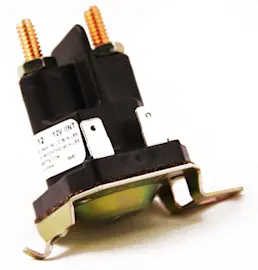
| Starter solenoid / switches | 5 to 10 years | No-crank, intermittent starting |
- Change engine oil on schedule; check level before each mow
- Keep the deck clean; remove packed grass to prevent rust and overheating
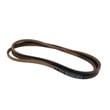
- Inspect belts for glazing and cracks; replace before they fail (example: lawn tractor ground drive belt, 9/16 x 67-1/2-in 954-04317A)
- Sharpen or replace blades; balance them to reduce spindle wear
- Test safety interlocks if starting is inconsistent (example: lawn tractor interlock switch 725-04363)
Most “mower won’t move” or “poor cut quality” complaints come from normal wear items (belts, blades, switches). Replacing those parts on time costs less than running them until they damage pulleys, spindles, or the transaxle.
For model-specific maintenance intervals and procedures, follow the 247204221 owner's manual.
Last updated: March 2026