Owner’s manual
 View engine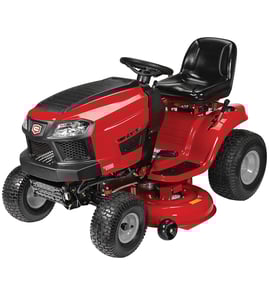



What is the life expectancy of a Husqvarna riding mower?
A Husqvarna riding mower like model YT42CS-502110 typically lasts about 15 years with consistent maintenance (oil changes, clean air filtration, sharp blades, and proper storage). Neglected maintenance and heavy use can shorten that lifespan significantly.
What “15 years” assumes
- Regular seasonal maintenance per the YT42CS-502110 owner's manual
- Clean fuel practices (fresh fuel, clean tank, no long-term stale gas)
- Normal residential mowing (not commercial, not constant towing)
- Stored out of weather when not in use
Maintenance that most affects lifespan
- Engine care: change oil and keep cooling fins and intake areas clear
- Air filtration: clean or replace the air filter so the engine does not run rich or wear early
- Deck and blades: keep blades sharp and the deck clean to reduce load on the engine and belt drive
- Battery and charging: keep terminals clean and the battery charged during the off-season
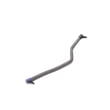
- Belts and pulleys: inspect for cracking, glazing, or squeal; replace worn drive components such as the lawn tractor ground drive belt, 1/2 x 94-in 592855201 when slipping starts
Quick lifespan checklist (use this each season)
- Check oil level and condition before the first mow
- Inspect belts, idler pulleys, and the PTO engagement feel
- Verify tire pressure and look for slow leaks
- Clean grass buildup under the cutting deck
- Test safety switches and starting behavior
Typical lifespan ranges (what we see most often)
| Use and care level | Typical lifespan | What usually fails first |
|---|---|---|
| Light use, well maintained | 12 to 15 years | Belts, battery, blades |
| Average use, mixed maintenance | 8 to 12 years | Battery, pulleys, steering wear |
| Heavy use, minimal maintenance | 5 to 8 years | Engine wear, transaxle issues |
Why it matters
Planning around a realistic life expectancy helps you decide when to invest in tune-up parts (battery, belts, pulleys) versus larger repairs, and it reduces downtime during peak mowing season.
Last updated: January 2026
What is the best 42 riding mower?
The “best” 42-inch riding mower is the one that matches your yard size, terrain, and service needs; the Husqvarna YT42CS-502110 is a strong fit when you want a 42-inch class tractor with widely available maintenance and repair parts. Use the YT42CS-502110 owner's manual to confirm operating features and maintenance intervals.
How to choose the best 42-inch riding mower
Focus on the factors that change real-world performance and ownership cost:
- Yard size and obstacles: tighter yards benefit from better turning control and easy deck height changes.
- Terrain: slopes and bumpy ground demand stable traction and a drivetrain that feels smooth under load.
- Cut quality goals: bagging, mulching, or side discharge can change what deck setup you want.
- Serviceability: easy access to belts, pulleys, battery, and wiring reduces downtime.
- Parts availability: common wear items (belts, idlers, switches) should be easy to source.
Quick comparison: what “best” usually means
| If you want... | Prioritize... | Typical outcome |
|---|---|---|
| Fast, consistent mowing | Reliable drive system, strong blade engagement | Fewer slowdowns in thick grass |
| Low maintenance hassle | Easy belt routing, accessible battery and filters | Faster seasonal upkeep |
| Better results on uneven lawns | Deck leveling adjustability, solid steering feel | More even cut, less scalping |
| Lower long-term cost | Common parts and straightforward repairs | Less downtime, fewer service calls |
Parts that often decide satisfaction over time
Even the best mower feels “bad” when common wear parts are overdue. For the Husqvarna YT42CS-502110, these are frequent culprits when performance drops:
- Drive issues or slipping: inspect the lawn tractor ground drive belt, 1/2 x 94-in 592855201
- Poor blade engagement: check the PTO switch and clutch operation
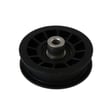
- Squealing or belt wear: inspect idler pulleys and belt guides
- No-crank or click: test battery connections and starter circuit
- Wandering steering: inspect steering links and front-end hardware
Why it matters
A 42-inch tractor is a sweet spot for many homes, but “best” is really about matching your conditions and keeping the deck and drive systems maintained. When parts support is strong, you can keep cut quality and reliability high for years.
Last updated: January 2026
What riding mower has the least problems?
If you want a riding mower with the fewest problems, we recommend prioritizing proven reliability signals over a single “best brand.” For a Husqvarna tractor like model YT42CS-502110, the lowest-trouble choice is the mower that matches your yard size and is maintained on schedule using the YT42CS-502110 owner's manual.
What to look for in a low-problem riding mower
- Simple drivetrain and controls: fewer features usually means fewer failure points.
- Strong dealer and parts support: fast access to belts, pulleys, and electrical parts reduces downtime.
- Right-size the mower: overworking a small tractor on steep hills or heavy towing increases breakdowns.
- Routine maintenance access: easy oil changes, air filter service, and blade/deck cleaning improves longevity.
- Common, well-supported wear parts: belts, idlers, and solenoids should be readily available.
Reliability checklist you can apply before you buy (or to reduce problems now)
Use this quick checklist for any brand (Husqvarna, Craftsman, Cub Cadet, John Deere, etc.):
| What you check | What “good” looks like | Why it reduces problems |
|---|---|---|
| Service intervals | Clear schedule you will follow | Prevents heat, wear, and starting issues |
| Deck and belt layout | Easy to inspect and clean | Reduces belt slip and pulley wear |
| Electrical starting | Strong crank, clean terminals | Prevents no-start and click-only symptoms |
| Steering and tires | Tight steering, even tire pressure | Improves cut quality and reduces component stress |
Parts that commonly affect “problem-free” operation
On tractors like the Husqvarna YT42CS-502110, these wear items often drive complaints when they’re worn or out of adjustment:
- Drive system wear: lawn tractor ground drive belt, 1/2 x 94-in 592855201
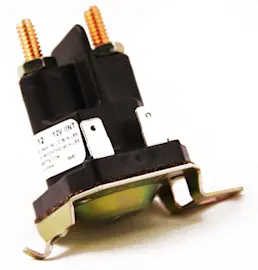
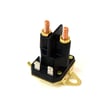
- Starting issues: lawn tractor starter solenoid 582042802
- Deck engagement issues: PTO switch and clutch (symptoms include intermittent blade engagement)
- Deck noise or poor cut: idler pulleys and belt routing (watch for wobble, squeal, or glazing)
Why it matters
Most “least problems” outcomes come from matching the mower to the job and keeping the drive belt, deck components, and starting system in good condition. That approach reduces downtime more than chasing a single brand name.
Related help: how to tune up a riding lawn mower video
Last updated: January 2026