View engine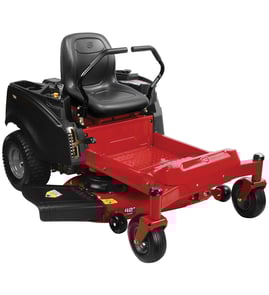



What is the advantage of a rear engine mower?
A rear-engine riding mower like the Craftsman 502251250 is compact, easy to maneuver, and gives you good visibility of the cutting path. The rear-mounted engine also helps traction on the drive wheels, which is useful on flat lawns and gentle slopes.
Key advantages you will notice
- Tighter turning and easier trimming around trees, beds, and fences
- Compact footprint for smaller garages and sheds
- Better forward visibility because the engine is behind you
- Good traction since engine weight sits over the rear drive wheels
- Simple, homeowner-friendly design that is typically easier to maintain than larger tractors
Trade-offs to consider
Rear-engine riders are a great fit for many yards, but they are not the best choice for every property.
| Feature | Rear-engine rider | Lawn tractor (typical) |
|---|---|---|
| Best yard size | Small to medium | Medium to large |
| Maneuverability | High | Medium |
| Hills/rough ground | Light duty | Better capability |
| Attachments | Limited | More options |
Why it matters
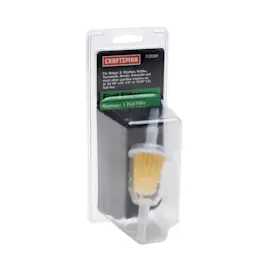
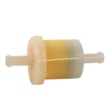
Choosing the right mower style affects cut quality, mowing time, and how often you will need service. If your Craftsman 502251250 starts running rough or stalling, a restricted fuel system is a common cause; replacing the inline fuel filter is a quick, high-impact maintenance step (see filter 84001895).
Maintenance tip that protects the advantage
To keep the mower starting easily and running smoothly:
- Replace the fuel filter on schedule or when fuel flow seems weak
- Use fresh fuel and avoid long-term storage with untreated gas
- Check fuel lines and clamps for seepage or cracking
Last updated: February 2026
What brand engine does Craftsman use?
Craftsman riding mowers (including model 502251250) are commonly equipped with engines supplied by major small-engine manufacturers; the most common is Briggs & Stratton, with some models using Kohler or Kawasaki depending on the mower’s specific build and engine family.
How to identify the engine brand on your 502251250
Use the engine’s own ID tag, not the mower hood decal. Look for a label on the engine shroud or valve cover area.
- Find the engine manufacturer name (Briggs & Stratton, Kohler, Kawasaki, etc.)
- Record the engine model, type, and code/spec numbers
- Match those numbers when selecting tune-up parts (fuel filter, clamps, caps)
- Check for signs of fuel restriction (hard starting, surging) that point to fuel-system service
Parts that often relate to engine brand and fuel system fit
On Craftsman rear-engine riders, many “engine-related” service items are universal fit by hose size or mounting style, but you still want to match what’s installed.
| What you’re servicing | What to match | Example part on this model page |
|---|---|---|
| Fuel delivery | Hose inside diameter, flow direction, filter style | Filter 84001895 |
| Fuel line connection | Clamp diameter and style | Clamp 791850 |
| Fuel tank sealing | Cap style and venting | Fuel cap 092317MA |
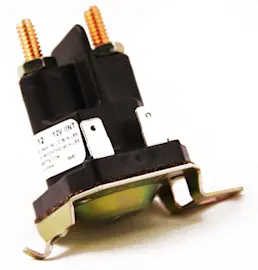
| Starting circuit | Key switch connector style and terminals | Ignition switch 532365402 |
Why it matters
Engine brand affects which spark plug, air filter, oil filter (if equipped), and some ignition or carburetor parts your mower uses. Confirming the engine ID first prevents ordering the wrong maintenance parts and helps troubleshoot no-start or poor-running symptoms faster.
Last updated: February 2026
What is the difference between a front engine and rear engine riding mower?
A front-engine riding mower puts the engine under the hood in front of the operator, while a rear-engine riding mower (like Craftsman model 502251250) places the engine behind the seat. Front-engine designs typically handle towing and heavier work better; rear-engine models are mainly built for mowing and tight-yard maneuvering.
Quick comparison
| Feature | Front-engine riding mower | Rear-engine riding mower |
|---|---|---|
| Engine location | In front, under hood | Behind the seat |
| Best use | Mowing plus light hauling and attachments | Primarily mowing |
| Typical yard size | Medium to larger lawns | Small to medium lawns |
| Maneuverability | Good | Often very good in tighter spaces |
| Service access | Hood access common | Rear cover/seat area access common |
What you will notice in real use
- Towing and traction: Front-engine models usually feel more stable when pulling a small cart or light tow-behind tools.
- Turning and trimming: Rear-engine models often turn tighter, which helps around trees, beds, and fences.
- Weight balance: Rear-engine mowers carry more weight over the drive wheels, which can help on flat lawns but still is not the same as a heavier-duty tractor.
- Deck and cut focus: Rear-engine units are commonly set up as straightforward grass cutters with fewer heavy-duty attachment options.
- Maintenance layout: Routine checks (fuel system, ignition, belts) are similar, but access points differ because the engine is in a different place.
Why it matters when buying parts or troubleshooting
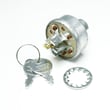
Knowing the layout helps you diagnose problems faster and order the right replacement parts for your Craftsman 502251250. For example, a no-start issue often points you toward common rear-engine service items like the ignition switch 532365402 or fuel delivery parts such as the filter 84001895.
Tips for choosing the right mower style for your yard
- Choose front-engine if you plan to tow regularly or want broader attachment flexibility.
- Choose rear-engine if you mainly mow and want a compact machine that fits smaller storage spaces.
- Match the mower to your terrain; steep slopes call for extra caution regardless of engine location.
Last updated: February 2026
What are common problems with Craftsman riding mowers?
Common problems on a Craftsman riding mower like model 502251250 include no-start conditions, rough running, poor cutting quality, and drive or safety-interlock issues. Most fixes come down to fuel delivery, ignition, belts and pulleys, or worn chassis and deck hardware.
Most common symptoms and what usually causes them
- Engine will not start: bad ignition switch, weak battery connections, safety switch not closing
- Starts then stalls or runs rough: restricted fuel flow, dirty fuel, air leak in fuel line
- Mower will not move or slips: worn or stretched drive belt, idler/pulley wear, linkage issues
- Uneven cut or scalping: deck damage, bent components, tire pressure mismatch, worn deck hardware
- Intermittent shutdown: loose wiring, failing safety switches, vibration-related connection problems
Quick checks we recommend first (fast, high-impact)
- Verify fresh fuel and that the fuel cap vent is open; a plugged vent can mimic fuel starvation.
- Inspect the fuel line for cracks and replace the inline filter if flow looks weak.
- Turn the key and watch for intermittent dash power; that points to the ignition switch or wiring.
- Check belts for glazing, cracking, or slack; belt slip causes loss of drive and poor blade speed.
- Look for deck rust, grooves, and loose fasteners that change deck height and cut quality.
Parts that commonly solve these problems on model 502251250
| Symptom | Part to check/replace | What it affects |
|---|---|---|
| No crank or intermittent crank | Ignition switch 532365402 | Sends power to starter circuit |
| Stalls, surges, hard start | Filter 84001895 | Fuel flow to carburetor |
| Fuel smell, seepage, air leaks | Clamp 791850 | Seals fuel line connections |
| Slipping drive or poor blade speed | Belt 37X57MA | Transfers power to drive/deck |
| Uneven cut, pulling | Tire 532122075 | Ride height and traction |
Why it matters
Catching fuel restriction, belt wear, and electrical connection problems early prevents hard starting, overheating belts, and deck damage. On rear-engine riders, vibration and heat make small issues (like a loose clamp or weak switch) show up as intermittent problems.
Last updated: February 2026
Is it worth repairing a lawn mower engine?
Yes, it’s worth repairing the engine on your Craftsman 502251250 rear-engine riding mower when the problem is a normal wear item (fuel delivery, ignition, belts) and the mower’s deck and drive system are still in good shape. If the repair estimate is more than about half the cost of a comparable replacement mower, replacement is the better value.
Quick decision checklist
- The engine turns over and has compression; it just won’t start or runs poorly.
- The mower frame, deck housing, and steering are solid (no major cracks or severe rust-through).
- The transmission and drive system move the mower normally.
- The issue is isolated to fuel, spark, or a simple mechanical wear part.
- You can complete the repair with basic tools and safe lifting practices.
Repairs that are usually worth it (common, lower cost)
These fixes often restore performance without major teardown:
- Replace a clogged inline fuel filter such as the filter 84001895.
- Fix fuel line leaks or loose connections using the clamp 791850.
- Replace a worn or missing fuel cap seal using the fuel cap 092317MA.
- Replace a no-crank or intermittent start switch using the ignition switch 532365402.
- Replace a worn drive or deck belt such as the belt 37X57MA (when symptoms match belt slip or no blade engagement).
When replacing the mower (or engine) makes more sense
Major failures can push costs close to replacement value:
- Thrown rod, seized engine, or heavy internal knocking
- Persistent smoking after basic maintenance (oil change, air filter, correct oil level)
- Repeated carburetion issues caused by severe corrosion or contaminated fuel system
- Transmission failure or extensive chassis/deck damage at the same time
Cost and value guide
| Situation | Typical recommendation | Why |
|---|---|---|
| No-start, runs rough, stalls | Repair | Usually fuel or ignition related and parts are manageable |
| Starts but won’t move | Evaluate drive system first | Could be belt, idler, or transmission related |
| Loud internal engine noise or seizure | Replace engine or mower | Internal damage is high labor and high parts cost |
Why it matters
A rear-engine riding mower like the Craftsman 502251250 is a system: engine, fuel delivery, ignition, belts, deck, and drive. If the mower is structurally sound, fixing a single failed component restores reliability and avoids the cost of replacing the entire machine.
Last updated: February 2026