Owner’s manual
 Error Codes


What is the average life of a Kenmore dryer?
Most Kenmore dryers average 10 to 13 years of service life. For the Kenmore 11066902691 electric dryer, consistent airflow maintenance and avoiding overloads are the biggest factors that help it reach the high end of that range (or longer). See the maintenance schedule in the 11066902691 owner's manual.
Typical lifespan and what changes it
A dryer’s life is mostly determined by heat stress, airflow restriction, and wear on drum support and drive components.
- 10 to 13 years is the typical average lifespan for a Kenmore dryer
- Heavy weekly use shortens life; light use extends it
- Poor venting and lint buildup are the fastest way to wear out heating and safety parts
- Overloading increases strain on the motor, belt path, and drum support rollers
- Promptly fixing squeals, thumps, or long dry times prevents bigger failures
Maintenance that adds years (especially on electric dryers)
Use these habits to protect the heating circuit, thermostats, and motor.
- Clean the lint screen before every load; replace a damaged screen such as the screen W10120998
- Check airflow at the outside vent hood; strong flow means safer temperatures
- Clean the full vent run (dryer to exterior) regularly, especially if dry times increase
- Keep loads medium sized so clothes tumble freely
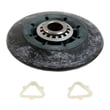
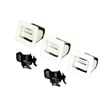
- If the drum starts squealing or rumbling, inspect drum support parts like the support kit WPW10314173
Quick “life expectancy” guide
| What you notice | What it usually means | What to do first |
|---|---|---|
| Dry times getting longer | Restricted venting or lint buildup | Clean lint screen and venting |
| No heat but drum turns | Heating circuit issue | Check heating element and thermal safety parts |
| Dryer stops mid-cycle | Overheating or airflow problem | Verify vent airflow and clean ducting |
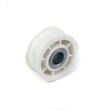
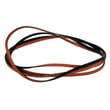
| Squealing or thumping | Wear in drum support or idler path | Inspect rollers and idler pulley |
Why it matters
A Kenmore dryer that runs hot because of restricted airflow can trip safety devices and shorten the life of key parts like the heating element, operating thermostat, and thermal fuse. Good airflow and early repair keep the 11066902691 drying efficiently and help it last its full expected lifespan.
Last updated: January 2026
What are signs of a bad dryer heating element?
On the Kenmore 11066902691 electric dryer, the clearest sign of a bad heating element is that the dryer tumbles normally but produces little to no heat, so clothes stay damp or take much longer to dry. You may also notice overheating symptoms or electrical issues tied to the heater circuit.
Common symptoms you can see or smell
- Dryer runs and drum turns, but there is no heat on heated cycles
- Dry times suddenly get much longer (loads feel warm but never fully dry)
- Heat is inconsistent (hot, then cool, then hot again)
- Burning smell or a “hot metal” odor during operation
- Breaker trips or the dryer shuts off mid-cycle (especially on high heat)
Quick checks before replacing parts
- Confirm you are using a heated cycle (not Air Fluff or No Heat).
- Clean the lint screen and check airflow; restricted venting can mimic heater problems.
- If you have a multimeter, test the heater circuit components listed in the 11066902691 owner’s manual.
What else can look like a bad heating element?
A failed heater is common, but these parts can cause similar “no heat” symptoms:
| Symptom | More likely cause | Example part for this model |
|---|---|---|
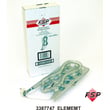
| Tumbles, no heat | Open heating element or blown thermal fuse | Dryer heating element WP3387747, dryer thermal fuse WP3390719 |
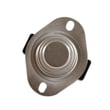
| Heats briefly, then stops | Operating thermostat cycling incorrectly | Dryer operating thermostat WP3387134 |
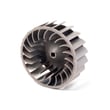
| Poor heat and long dry times | Airflow restriction (vent, duct, blower) | Dryer blower wheel WP697772 |
Why it matters
Running an electric dryer with a failed heater or a blown thermal fuse often leads to repeated long cycles, higher energy use, and overheating risk if airflow is restricted. Fixing the root cause (heater circuit and venting) restores normal drying performance.
Last updated: January 2026
Is it worth replacing the heating element in a dryer?
Yes. For Kenmore electric dryer model 11066902691, replacing a failed heating element is usually worth it because the part cost is typically far less than replacing the dryer, and it often restores normal drying performance when the rest of the machine is in good condition. See the 11066902691 owner's manual for safety and access guidance.
When replacement is the smart choice
- The dryer tumbles normally but has no heat or weak heat
- The drum, belt, and motor sound normal (no grinding or squealing)
- The cabinet is solid and the controls work as expected
- You have verified airflow is good (lint screen and vent are clear)
- Repair cost stays well below the cost of a comparable new dryer
Parts to check at the same time (common no-heat causes)
A heating element can fail, but overheating from restricted airflow can also open safety devices.
- Dryer heating element WP3387747 (the heater itself)
- Dryer thermal fuse WP3390719 (opens if the dryer overheats)
- Dryer operating thermostat WP3387134 (regulates operating temperature)
Quick symptom guide
| Symptom | Most likely area to check | Typical next step |
|---|---|---|
| Runs but no heat | Heating circuit | Test element and thermal fuse for continuity |
| Heat briefly then stops | Airflow or thermostat | Clean venting, test thermostat |
| Clothes take too long | Venting or blower | Clean venting, inspect blower wheel and ducting |
Why it matters
Replacing the heating element without fixing poor airflow can cause repeat failures (element burnout or a blown thermal fuse). A clean lint screen, clear exhaust duct, and proper venting protect the heater and improve drying time.
Last updated: January 2026
Can I replace a dryer heating element myself?
Yes, on Kenmore electric dryer model 11066902691, replacing the heating element is a common DIY repair if you’re comfortable using basic hand tools and following safe electrical practices. The key is disconnecting power, documenting wire locations, and restoring proper airflow so the new element does not overheat.
Safety first (before any disassembly)
- Unplug the dryer; for a hardwired setup, switch OFF the breaker.
- Let the dryer cool completely.
- Wear work gloves; cabinet edges can be sharp.
- Take clear photos of every wire connection before removing anything.
- If you find melted wiring or a burnt terminal, replace the damaged connector, not just the part.
What the job typically involves
Most Kenmore 110-style electric dryers use a heater housing that’s accessed from the rear or lower front panel. The usual steps are:
- Remove the access panel.
- Disconnect wires from the element terminals (match them to your photos).
- Remove mounting screws and pull out the heater assembly.
- Install the new element and reattach wires exactly as removed.
- Reassemble panels and run a timed heat cycle to confirm operation.
A correct replacement part for this model is the dryer heating element WP3387747.
Parts that often fail with (or because of) the element
If the dryer still will not heat after element replacement, these are the most common related checks:
- Thermal fuse: dryer thermal fuse WP3390719
- Operating thermostat: dryer operating thermostat WP3387134
- Thermal cut-off kit (overheat protection): cut-off kit 279769
Quick troubleshooting table (symptom to check)
| Symptom | Most likely check | Why it matters |
|---|---|---|
| Runs but no heat | Heating element, thermal fuse | Open circuit stops heat |
| Heats briefly then stops | Cut-off kit, airflow restriction | Overheating trips safety |
| Burning smell or very hot cabinet | Venting, lint buildup, blower wheel | Restricted airflow overheats heater |
Why it matters
A heating element usually fails because it’s worn out or because airflow is restricted (lint screen, ducting, blower wheel, crushed vent). Fixing airflow issues protects the new element and helps drying times return to normal.
For model-specific access panels and wiring routing, follow the 11066902691 owner’s manual.
Last updated: January 2026