



How to diagnose Whirlpool dishwasher problems?
To diagnose problems on your Whirlpool DU912PFGQ1 dishwasher, we start with the symptom (won’t start, won’t drain, leaks, poor cleaning, or no heat) and then check the few parts and conditions that most often cause that exact failure. This keeps troubleshooting fast and avoids replacing good parts.
- No power or won’t start: confirm the door closes and latches firmly; try a reset.
- Not draining: check the tub sump area for debris; verify the drain hose is not kinked.
- Leaking: inspect the door seal and look for water tracks at the bottom corners.
- Not cleaning well: confirm spray arms spin freely and holes are not clogged.
- Not drying: verify heated dry is selected; check for heat during the cycle.
- Make sure the door is fully closed; a weak latch can prevent operation.
- Reset power (turn breaker off for 1 minute, then on).
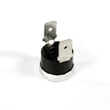
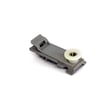
- If the door feels loose or pops open, suspect the dishwasher door latch WP3380854.
- Cancel/drain the cycle, then check for standing water.
- Inspect the drain path for clogs and confirm the hose routing is correct.
- If the hose is split, soft, or blocked internally, replace the dishwasher drain hose WP3374077.
- Look for tears, flattening, or gaps in the perimeter gasket.
- Check that racks are not preventing the door from closing squarely.
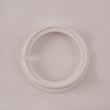
- A common fix is replacing the dishwasher door seal WPW10509257.
- Remove and rinse spray arms; clear mineral buildup from spray holes.
- Confirm the lower spray arm seal is intact if you see water pressure issues near the base.
| Symptom | Most common checks | Parts often involved |
|---|---|---|
| Won’t start | Door closure, reset, latch engagement | Door latch |
| Won’t drain | Clog in drain path, kinked hose | Drain hose |
| Leaks | Door alignment, gasket condition | Door seal |
| Not cleaning | Spray arm blockage, loading issues | Spray arm, seals |
Dishwashers fail in predictable ways; matching the symptom to the right checks prevents repeat breakdowns, reduces water damage risk, and helps you replace only the part that actually failed.
For model-specific troubleshooting flow, we also use how to reset a Whirlpool dishwasher and the Whirlpool dishwasher error codes guide when the control shows a fault.
Last updated: February 2026
How to fix E1 F1 Whirlpool dishwasher?
On Whirlpool model DU912PFGQ1, an E1 F1-type error is most often tied to a drain or fill problem. We fix it by resetting power, then checking for a blocked drain path, a stuck float, or a water inlet issue; those are the fastest, most common causes.
- Turn the dishwasher off at the breaker for 1 minute, then restore power.
- Cancel the cycle and start a short rinse to see if it drains and refills normally.
- Check the sink drain and garbage disposal inlet (a clog here can mimic a dishwasher drain failure).
- Inspect the drain hose for kinks, crushing, or a low spot that traps water.
- Lift and release the float inside the tub; it should move freely (a stuck float can stop filling).
| What you notice | Most likely area | What to do next |
|---|---|---|
| Water left in bottom, won’t drain | Drain path or hose | Clear blockage; verify hose routing and air gap/high loop |
| No water entering at start | Fill system | Check float movement; verify house water supply valve is on |
| Fills slowly or stops mid-fill | Inlet valve | Test/replace the inlet valve if supply is good |
| Runs but cleans poorly after the error | Spray system | Check spray arm for clogs and free rotation |
Use parts that match DU912PFGQ1 exactly:
- If it will not fill or fills inconsistently, replace the valve-inlt W10844024.
- If it is overfilling or acting like it thinks water is too high, inspect the dishwasher float assembly WP3376397 for sticking or debris.
- If it drains poorly and the hose is soft, split, or restricted, replace the dishwasher drain hose WP3374077.
Drain and fill faults can leave dirty water in the sump, prevent proper heating and washing, and trigger repeat shutdowns. Fixing the root cause (hose routing, float movement, or inlet valve flow) restores normal cycle operation and helps prevent leaks.
For reset steps and control behavior, follow how to reset a Whirlpool dishwasher.
Last updated: February 2026
Why is my Whirlpool dishwasher leaking at the bottom of the door?
A bottom-of-door leak on a Whirlpool DU912PFGQ1 dishwasher almost always happens when water is escaping past the door seal area or the door is not closing tightly. The most common fixes are cleaning the sealing surfaces, correcting loading or spray issues, and replacing a worn dishwasher door seal WPW10509257.
- Wipe the inner door lip and tub rim clean; grease and detergent film can let water “track” out.
- Look for dishes or racks preventing a full close; the latch must pull the door tight.
- Confirm the dishwasher is level front-to-back and side-to-side; a forward tilt can push water toward the door.
- Reduce oversudsing: use only dishwasher detergent and avoid hand-soap contamination.
- Check that the lower spray arm spins freely and is not blasting directly at the door due to blockage or misalignment.
If the quick checks do not stop the leak, these parts are the usual suspects on this model:
| Symptom you see | Most likely area | Part to consider |
|---|---|---|
| Drips along the bottom edge of the door | Door gasket not sealing | Dishwasher door seal WPW10509257 |
| Door feels loose or pops open slightly | Door not latching tightly | Dishwasher door latch WP3380854 |
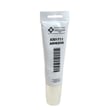
| Leak seems to start after a repair or gasket change | Gasket not seated or corners lifting | Adhesive W10841140 (for sealing where specified during reassembly) |
- Inspect the door seal for tears, flattening, hardened spots, or gaps at the corners.
- Check door closure: with the racks loaded, close the door and confirm it latches without extra force.
- Look for spray-related splash-out: remove and rinse the spray arm ports; verify free rotation.
- Run a short cycle and watch: use a flashlight at the bottom corners to see where the first drip forms.
A door-area leak can soak the toe-kick and flooring, and it often gets worse quickly once the gasket loses its shape. Fixing the seal or latch early helps prevent repeat leaks and improves wash performance.
Last updated: February 2026






