Error Codes


Does my Kenmore top load washer have a filter?
Yes. Kenmore top load washer model 11082870100 uses a drain system that can trap debris, but it typically does not have a simple, user-accessible lint filter like a dryer. Most “filter” cleaning on this style is done by checking the drain pump and hoses for clogs.
Where “filter” issues usually show up
If your washer is slow to drain, leaves water in the tub, or smells musty, debris is usually in the drain path:
- Coins, hair pins, and lint in the pump inlet
- A kinked or partially blocked drain hose
- A clogged standpipe or laundry sink drain
- Suds buildup from too much detergent
- Small items stuck between the inner basket and outer tub
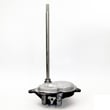
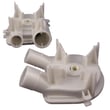
A common service part tied to draining is the water pump WP3363394.
What we recommend checking first (safe DIY steps)
- Unplug the washer.
- Turn off both water supply valves.
- Set towels down; expect some water.
- Inspect the drain hose for kinks and clogs; confirm the hose is not shoved too far down the standpipe.
- If draining is still weak, access the pump area and check for debris in the pump inlet and hoses.
Quick symptom guide
| Symptom | Most likely cause | What to check |
|---|---|---|
| Won’t drain or drains slowly | Pump or hose blockage | Pump inlet, drain hose, standpipe |
| Hums but no draining | Jammed pump | Pump impeller area, debris |
| Drains but leaves lint | Overloading or detergent issues | Load size, detergent amount |
| Water on floor during drain | Loose hose or cracked pump | Hose clamps, pump housing |
Why it matters
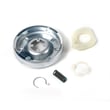
A restricted drain path makes the washer work harder, can prevent proper spin, and can lead to odors or water leaks. Keeping the drain system clear helps protect the motor, coupling, and clutch during spin.
Last updated: January 2026
How to unclog drain hose on Kenmore washer?
For Kenmore washer model 11082870100, we unclog the drain hose by safely disconnecting it, clearing the blockage (lint, coins, small socks), then flushing the hose and confirming the washer drains strongly without backing up.
Safety first
- Unplug the washer to prevent electric shock
- Turn off both water supply valves
- Keep a shallow pan and towels ready for spillover
- If the washer was just running, let the water cool before handling hoses
Step-by-step: unclog the drain hose
- Pull the washer forward and locate the drain hose at the back.
- Remove the hose from the standpipe or laundry tub.
- Place the hose end in a bucket and lower it to let trapped water drain out.
- Check the hose end for a lint plug; remove debris by hand.
- If the clog is deeper, run a flexible brush or a small drain snake through the hose.
- Flush the hose with hot water; a hot water plus vinegar rinse helps loosen soap scum.
- Reconnect the hose and run a short drain/spin to verify fast draining.
What to check if it still drains slowly
- Standpipe or household drain is restricted (water backs up at the wall)
- Drain hose is kinked or crushed behind the washer
- Hose is pushed too far down the standpipe (can cause siphoning or poor draining)
- Pump is jammed or worn; inspect and replace if needed using the water pump WP3363394
Quick comparison: hose clog vs. pump problem
| Symptom | More likely cause | What we do next |
|---|---|---|
| Water drains slowly and hose feels heavy with debris | Hose clog | Brush/flush hose, remove lint plug |
| Loud humming during drain, little or no water movement | Pump jam/failure | Check pump inlet, replace pump |
| Water backs up at the wall drain | House drain issue | Clear standpipe/trap or call a plumber |
Why it matters
A restricted drain hose makes the washer hold dirty water, can leave clothes wetter after spin, and puts extra strain on the drain pump and drive system.
Last updated: January 2026
What is the average lifespan of a Kenmore washer?
A Kenmore washer typically lasts about 10 to 14 years with normal household use and basic maintenance. For your Kenmore model 11082870100, keeping the drive system and drain path in good shape is the biggest factor in reaching the high end of that range.
What affects washer lifespan most
- Load size and frequency: frequent oversized loads shorten motor, clutch, and suspension life.
- Drain performance: slow draining strains the pump and can leave water that causes odors and corrosion.
- Agitation and spin wear: worn drive components can cause slipping, poor wash action, or noisy spin.
- Water quality: hard water increases detergent buildup and wear on valves.
- Leveling and vibration: an unlevel washer accelerates wear on springs and the tub support.
Quick maintenance that adds years
- Keep loads at a practical level; avoid packing the basket tight.
- Use the right amount of HE detergent (too much causes buildup and extra strain).
- Check hoses and connections for seepage; address small leaks early.
- If draining slows or the washer won’t drain, inspect the pump and hoses; the water pump WP3363394 is a common wear item.
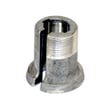
- If agitation becomes weak or one-direction only, inspect the agitator drive parts; the agitator dog 80040 is a frequent fix on many Kenmore top-load designs.
Common “end-of-life” symptoms and what they usually mean
| Symptom | Most common cause | Typical next step |
|---|---|---|
| Won’t drain or drains slowly | Pump or blockage | Inspect hose, then replace pump if needed |
| Agitator not moving correctly | Worn agitator drive parts | Check dogs/cam and replace worn pieces |
| Loud spin, burning smell, poor spin | Drive/clutch wear | Inspect clutch and drive coupling |
| Leaks under washer | Pump, hose, tub seal/gasket | Identify leak source, replace failed part |
Why it matters
A washer that is maintained and repaired early usually reaches the full 10 to 14 year lifespan; ignoring vibration, draining issues, or slipping drive parts often turns a small repair into major wear on the motor, clutch, and basket drive.
Last updated: January 2026