Installation guide
 Owner’s manual
 Error Codes





What is the average lifespan of a Maytag dryer?
A Maytag dryer typically lasts about 13 to 15 years with normal household use and basic maintenance. For your Maytag MGD8100DC0 gas dryer, keeping airflow strong (lint screen and venting) and addressing wear parts early helps you reach that lifespan.
Typical lifespan and what affects it
Most dryers fail early due to heat and airflow problems or normal drum-drive wear.
- Vent restriction (lint buildup, crushed vent, too many turns) increases heat stress and run time
- Overloading strains the drum support system and drive components
- Skipped cleaning allows lint to build up inside the cabinet and exhaust duct
- High-heat cycles for every load accelerates wear on sensors and thermostats
- Delayed repairs (squeals, thumps, poor drying) can turn a small part issue into multiple failures
Maintenance that extends dryer life (MGD8100DC0)
We recommend following the care steps in the MGD8100DC0 owner's manual. Key habits:
- Clean the lint screen before every load
- Check outside exhaust airflow; weak airflow usually means the vent or hood is clogged
- Use 4-inch (102 mm) venting and keep the vent run as short and straight as possible
- Periodically have the interior cabinet and exhaust vent cleaned by qualified service personnel
- Keep the area around the dryer free of lint, dust, and clutter
Common “wear parts” that can shorten lifespan if ignored
If your dryer is noisy, slow to dry, or intermittently heats, these parts are often involved:
| Symptom | Common cause | Example part for this model |
|---|---|---|
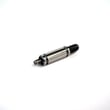
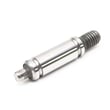
| Thumping or rumbling | Worn drum rollers | Dryer drum support roller WPW10314173 |
| Squealing | Worn idler pulley | Dryer idler pulley W10837240 |
| No heat or heat cuts out | Burner or safety components | Igniter 279311 or dryer thermal cut-off kit WP8573713 |
Why it matters
A dryer that takes longer to dry is not just inconvenient; it runs hotter and longer, which increases wear on the drive system, sensors, and gas heating components. Good venting and early part replacement are the fastest ways to protect the dryer’s expected 13 to 15-year lifespan.
Last updated: January 2026
What is the capacity of the Maytag MGD8100DC0?
The Maytag MGD8100DC0 is a 29-inch gas dryer in the Maytag Epic-style platform; models in this series are typically about 7.0 cu. ft. capacity. For the exact capacity rating for your specific unit, confirm it in the MGD8100DC0 owner's manual.
How to confirm the exact capacity for MGD8100DC0
We recommend checking the model’s literature first because capacity can vary slightly by revision and market listing.
- Look for “Capacity” or “Drum capacity” in the specifications section
- Check the model/serial tag and match it to the literature
- If your manual lists multiple similar models, verify it calls out MGD8100DC0
- If you are comparing dryers, use capacity plus drum design (baffles, moisture sensing) to judge real-world loads
Typical capacity guidance (what 7.0 cu. ft. means in practice)
A dryer around 7.0 cu. ft. is considered a full-size residential unit and usually handles:
- A typical family mixed load
- Towels and jeans (avoid packing the drum tight)
- A queen comforter (varies by fill and weight)
| Capacity range | Common description | Best for |
|---|---|---|
| 6.5 to 7.4 cu. ft. | Full-size | Most households, mixed loads |
| 7.5 cu. ft. and up | Extra-large | Bulky items, larger households |
Why it matters
Capacity affects drying performance and fabric care. Overloading reduces airflow and can cause longer dry times, higher heat exposure, and more wear on drum support components such as the dryer drum support roller WPW10314173.
Last updated: January 2026
What is the most common problem with the Maytag dryer?
For the Maytag MGD8100DC0 gas dryer, the most common customer-reported issue is the dryer not starting. In many cases, the fix is basic: confirm the door is fully closed, then touch and hold Start/Pause for 2 to 5 seconds as shown in the MGD8100DC0 owner's manual.
Most common symptoms we see (and what they usually point to)
- Dryer will not run: door switch not engaged, Start/Pause not held long enough, power supply issue
- Long dry times: restricted venting or clogged lint screen
- No heat (gas model): ignition or burner sensing issue, airflow restriction causing safety devices to open
- Noisy operation: worn drum support rollers or idler pulley
- Stops mid-cycle: overheating from poor airflow, temperature sensing problems
Quick checks to try first (fast, no parts)
- Make sure the door closes completely and latches firmly.
- Touch and hold Start/Pause for 2 to 5 seconds.
- Check the home electrical supply; many dryers use two fuses or two breakers, so verify both.
- Clean the lint screen before every load.
- Check airflow at the outside vent hood; weak airflow usually means the vent is clogged or crushed.
Common causes by symptom (helpful cheat sheet)
| Symptom | Most likely cause | What to do next |
|---|---|---|
| Won’t start | Door not shut, Start/Pause not held, breaker/fuse issue | Verify door, hold Start/Pause 2 to 5 seconds, reset breakers |
| Takes too long to dry | Vent restriction, wrong vent length/turns | Clean venting, confirm 4-inch venting and reasonable run |
| Loud thumping/squeal | Worn rollers or idler pulley | Inspect drum support and belt path; replace worn parts |
| No heat (gas) | Igniter/sensor/coil issue | Check burner ignition sequence; test components safely |
Parts that commonly fix “noisy” or “won’t tumble” complaints
If the drum is hard to turn, squeals, or thumps, these wear items are frequent fixes on dryers like the MGD8100DC0:
- Dryer drum support roller WPW10314173 (supports drum; worn rollers cause thumping)
- Dryer idler pulley W10837240 (keeps belt tension; worn pulley can squeal)
- Dryer repair kit 4392067 (bundles common wear parts for a more complete refresh)
Why it matters
A “won’t start” complaint is often a simple control or power issue, but long dry times and overheating usually trace back to airflow. Keeping the lint screen and vent system clear helps drying performance, reduces nuisance shutdowns, and protects key components like thermostats and thermal cut-offs.
Last updated: January 2026