Owner’s manual


Is GHW9400PW1 a washer or dryer?
GHW9400PW1 is a Whirlpool washer (a front-load washing machine), not a dryer. Our GHW9400PW1 owner's manual covers washer safety, installation requirements, and operating features like automatic spin-speed selection and a built-in heating element on select cycles.
Quick ways to confirm it is a washer
- The documentation is labeled WASHER and includes washer safety and installation sections.
- It references HE (high efficiency) detergent, which is used in washers.
- It describes a washer door that locks during the wash cycle.
- It lists washer features such as spin speeds, smart dispensers, and a heating element.
What this means for parts and repairs
When ordering parts for model GHW9400PW1, use washer-specific parts such as door-seal and door-lock components.
Common washer parts on this model include:
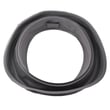
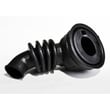
- Washer door boot WP8182119 (door seal that helps prevent leaks)
- Washer door lock assembly WP8182634 (locks the door during operation)
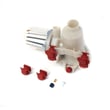
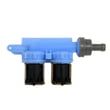
- Washer water inlet valve WP8181694 (controls water flow into the washer)
Washer vs. dryer: fast comparison
| Feature | Washer (GHW9400PW1) | Dryer |
|---|---|---|
| Uses water supply hoses | Yes | No |
| Has a door boot (rubber seal) | Yes | No |
| Typical cycle actions | Fill, wash, drain, spin | Heat, tumble, exhaust |
Why it matters
Washer and dryer parts are not interchangeable. Confirming GHW9400PW1 is a washer helps you choose the correct parts (like a door boot or inlet valve) and follow the right safety and installation steps.
Last updated: February 2026
What is the most common problem with Whirlpool washers?
The most common problems we see with Whirlpool washers like model GHW9400PW1 are water leaks, won’t drain or spin (clothes stay wet), and “won’t start” complaints. Many of these trace back to suds/HE detergent issues, drain restrictions, or worn door sealing and locking parts; check the owner's manual first for the exact checks and reset steps.
Most common issues (and what usually causes them)
- Leaks at the door: a torn or mold-stiffened door boot, or a loose clamp.
- Won’t drain or spins poorly: drain path restriction, pump issue, or a hose problem.
- Washer won’t start: door not fully latched, start not held long enough, or power supply issue.
- Excess suds (“SUD”): non-HE detergent, too much detergent, or too much soap for the load.
- Shaking or banging: unbalanced loads or worn suspension components.
Quick checks you can do before replacing parts
- Confirm the washer is plugged into a grounded outlet and the door is firmly closed.
- If you see “SUD”, switch to HE detergent and reduce the amount; run a rinse/drain as needed.
- If the tub is full of water, use Drain/Spin (the manual notes this as the next step when there’s excessive water).
- Inspect the door seal area for tears, gaps, or debris that prevents sealing.
- Verify the drain hose is not installed too high; the manual calls out 96 in. (2.4 m) as a key limit.
Parts that commonly fix these symptoms on GHW9400PW1
| Symptom | Common part to inspect/replace | What it does |
|---|---|---|
| Water leaking from the door | Washer door boot WP8182119 | Seals the door opening to prevent leaks |
| Door won’t lock or won’t start | Washer door lock assembly WP8182634 | Confirms the door is locked so the cycle can run |
| Door seal won’t stay seated | Washer door boot spring clamp WP8182210 | Holds the boot tightly to the front panel |
| Loud banging or excessive movement | Washer shock absorber WP8182703 | Dampens tub movement during spin |
Why it matters
Catching these “most common” issues early prevents secondary damage. For example, a small door-boot leak can lead to repeated puddles and corrosion, and chronic oversudsing can cause poor rinsing and longer cycle times.
Last updated: February 2026
What is the average lifespan of GHW9400PW1?
The average lifespan of a Whirlpool front-load washer like model GHW9400PW1 is about 10 to 14 years with normal household use and routine maintenance. Keeping the door boot clean, using the right detergent, and fixing leaks quickly helps you reach the high end of that range.
Typical lifespan and what affects it
Most washers reach their full service life based on usage and care. These factors make the biggest difference:
- Loads per week (more cycles equals more wear on bearings, pump, and suspension)
- Water quality (hard water increases scale and can stress the inlet valve and heater)
- Drain and spin health (a struggling pump or restricted hose shortens component life)
- Vibration control (worn shocks or springs increase tub and cabinet stress)
- Moisture management (standing water and residue can damage seals and cause odors)
Quick maintenance checklist (best ROI)
Use these habits to extend the life of your GHW9400PW1:
- Wipe the door glass and gasket after use; leave the door ajar to dry
- Run a monthly cleaning cycle (or hot cycle) to reduce residue
- Use HE detergent and avoid overdosing
- Check fill hoses and connections for seepage
- Clean the drain path if you notice slow draining or leftover water
Parts that commonly drive “end of life” decisions
If the washer is otherwise in good shape, replacing a few common wear items often restores performance:
| Symptom | Common wear area | Example part for this model |
|---|---|---|
| Leaks at the door, mildew smell | Door gasket/boot | Washer door boot WP8182119 |
| Loud banging, walking, heavy vibration | Suspension/damping | Washer shock absorber WP8182703 |
| Won’t drain, drains slowly | Drain pump | Water pump 280187 |
Why it matters
A front-load washer that is maintained and repaired early usually avoids secondary damage (like water leaks into the cabinet or excessive vibration that stresses the outer tub). That is the difference between a straightforward part replacement and a much larger repair.
For model-specific care and cleaning steps, follow the schedule in the owner's manual.
Last updated: March 2026