Owner’s manual
 Error Codes


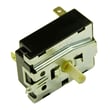
How much does it cost to replace a heating element in a Kenmore dryer?
For Kenmore dryer model 41780042990, replacing the heating element typically costs $100 to $350 total when you include parts and labor; the part alone is commonly $20 to $150+ depending on whether you replace just the element or a complete heating element assembly. Confirm the correct procedure and access steps in the 41780042990 owner's manual.
Typical cost breakdown
- Heating element assembly (part): $20 to $150+ (model-specific pricing varies)
- Service call and labor: $80 to $200+ (often 1 to 2 hours)
- Optional related parts: $10 to $100 (thermostats, hardware, etc.)
- DIY tools/supplies: $0 to $25 (nut driver, vacuum, gloves)
| Scenario | What you pay for | Typical total |
|---|---|---|
| DIY replacement | Part only | $20 to $150+ |
| Pro repair (most common) | Part + labor | $100 to $350 |
| “No-heat” but not the element | Diagnostic + different part | $100 to $300 |
When the heating element is the likely cause
A failed element is common, but we also see “no heat” caused by airflow and safety devices. Check these first because they can change the total cost:
- Clogged lint screen, vent duct, or exterior vent hood
- Blown thermal limiter or failed thermostat
- Loose wire connection at the heater housing
- Timer or control issue (less common)
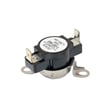
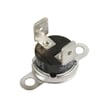
If you’re already opening the cabinet, it’s smart to inspect the high-limit thermostat and thermal limiter; for this model, a common related part is the kelvinator dryer high-limit thermostat 3204267.
Why it matters
Poor airflow can overheat the heater housing and repeatedly damage the heating circuit. Fixing vent restrictions at the same time helps the new heating element last longer and keeps drying times normal.
Last updated: February 2026
What are common problems with Kenmore dryers?
Common problems we see on the Kenmore 41780042990 dryer include not starting, running but not heating, long dry times from restricted airflow, drum not turning, and loud squealing or thumping. Most issues trace back to power supply, lint buildup, or normal wear parts like belts and thermostats.
Most common symptoms and what usually causes them
- Dryer will not start: loose power cord, tripped breaker, blown fuse, failed door switch, or a bad start switch
- Runs but will not heat: one house fuse blown (electric models), gas supply valve closed (gas models), or a failed high-limit thermostat
- Long drying times: clogged lint screen, crushed vent hose, blocked exterior vent hood, or a failing blower wheel
- Drum not turning: worn or broken belt, idler/tension problems, or motor issues
- Loud noise: worn drum bearing, bearing bracket wear, or a loose blower wheel
Quick checks we recommend first (fast, no parts)
- Confirm the dryer is on a dedicated circuit and the plug fits tightly.
- Check/reset the breaker; on many dryers there are two fuses and one can blow while the drum still turns.
- Clean the lint screen and verify strong airflow at the outside vent.
- If you use a drying rack, make sure the lint screen is installed so items cannot enter the exhaust path.
- Review the troubleshooting and “avoid service checklist” in the 41780042990 owner’s manual.
Parts that commonly fix these problems on this model
| Symptom | Common wear part | Example part for this model |
|---|---|---|
| Drum not turning | Drum belt | Belt 134503600 |
| Squealing, scraping | Drum bearing | Dryer drum bearing 131825900 |
| Overheating, shuts off | High-limit thermostat | Kelvinator dryer high-limit thermostat 3204267 |
| No heat (electric) | Heating element assembly | Frigidaire dryer heating element assembly 131553900 |
Why it matters
Catching airflow restrictions and worn drum-drive parts early helps prevent overheating, repeated thermal limiter trips, and premature wear on the motor, heater circuit, and drum supports.
Last updated: February 2026
What are the things inside a dryer called?
Inside your Kenmore dryer model 41780042990, the “things” are typically called dryer components or dryer parts. The main internal parts include the drum, motor, blower (fan), heater, thermostats, timer or control, and the lint screen and exhaust ducting that move air through the dryer (see the 41780042990 owner's manual).
Common internal dryer parts (plain-language names)
- Drum: holds and tumbles clothes
- Drive system: belt, idler, and pulleys that turn the drum
- Motor: powers the drum and blower
- Blower wheel (fan): pulls air through the drum and pushes it out the vent
- Heating system: electric heating element (or gas burner on gas models)
- Temperature controls: cycling thermostat, high-limit thermostat, thermal limiter
- Lint screen and exhaust path: lint screen, duct, and outside vent hood
How these parts work together
The dryer heats air, moves it through the drum to evaporate moisture, then exhausts that moist air outside. Airflow is just as important as heat; a dirty lint screen restricts airflow and causes longer dry times.
Quick “part name” cheat sheet
| What you call it | What it may be listed as | Example for this model |
|---|---|---|
| Dryer belt | Belt, drum belt | Belt 134503600 |
| Drum support | Dryer drum bearing, bearing kit, bearing bracket | Dryer drum bearing 131825900 |
| Overheat safety | High-limit thermostat, thermal limiter | Kelvinator dryer high-limit thermostat 3204267 |
| Heat source (electric) | Heating element assembly | Frigidaire dryer heating element assembly 131553900 |
Why it matters
Using the right part name helps you match symptoms to the correct repair. For example, squealing or thumping often points to drum support parts, while no heat often points to the heating element or thermostats.
Last updated: February 2026
What does "check vent" mean on a Kenmore dryer?
On Kenmore dryer model 41780042990, the “check vent” message means the dryer is not moving enough air through the exhaust system. This is usually caused by lint buildup, a crushed or kinked vent hose, or a vent run that is too long, and it can lead to long dry times and overheating.
What to check first (fast airflow fixes)
- Clean the lint screen before every load.
- Inspect the vent hose behind the dryer; straighten any kinks and replace crushed flex duct.
- Disconnect the vent hose and check for lint blockage at the dryer outlet and wall connection.
- Confirm you are using 4-inch metal ducting (rigid or flexible metal, not plastic or foil).
- Reduce bends; most setups should have no more than two 90° turns.
- Clean the exhaust ductwork periodically; lint can build up inside the duct and the lint screen housing.
Why the dryer cares about venting
Restricted venting traps heat and moisture in the drum, so clothes take longer to dry and safety thermostats can trip. Your manual also calls out regular lint screen cleaning and periodic cleaning of the exhaust duct to prevent inefficient drying and overheating; see the 41780042990 owner's manual.
Quick symptom guide
| What you notice | Most likely cause | What to do |
|---|---|---|
| Drying takes too long | Vent restriction | Clean/shorten vent, reduce elbows |
| Outside of dryer feels very hot | Poor airflow | Check duct size, kinks, blockage |
| Burning or hot smell | Lint buildup or overheating | Stop cycle, clean lint areas and vent |
| Drum turns but heat seems weak | Airflow issue or heating circuit issue | Fix vent first, then troubleshoot heat |
When a part is involved
If airflow is good but the dryer still overheats or shuts down, a safety device may be opening due to heat. On this model, a common related part is the kelvinator dryer high-limit thermostat 3204267, which helps protect the dryer from overheating.
Last updated: February 2026
What is D90 on Kenmore dryer?
On Kenmore dryer model 41780042990, the D90 code means the dryer is detecting restricted airflow through the exhaust vent. In practice, that points to a clogged lint path, crushed vent hose, blocked outside hood, or an overly long vent run that is not moving air well.
What to check first (fast airflow fixes)
- Clean the lint screen and make sure it is not coated with fabric softener residue.
- Inspect the flexible vent hose behind the dryer for kinks, crushing, or sagging.
- Check the outside vent hood for a stuck flap, lint buildup, or a bird nest.
- If you use foil or plastic venting, replace it with rigid or semi-rigid metal duct.
- Confirm the vent run is as short and straight as possible (fewer elbows improves airflow).
Quick test to confirm a vent restriction
- Run the dryer on a heated cycle for 3 to 5 minutes.
- Go outside and feel the airflow at the vent hood.
- Compare airflow with the vent hose temporarily disconnected from the dryer (only for a brief test, with the area well-ventilated).
| Result | What it usually means | What to do next |
|---|---|---|
| Weak airflow outside | Vent run or hood is blocked | Clean the full vent to the exterior |
| Strong airflow with hose off, weak with hose on | House venting is restricted | Shorten/repair duct, remove lint buildup |
| Weak airflow even with hose off | Internal lint buildup or blower issue | Inspect lint ducting and blower area per the 41780042990 owner's manual |
Why it matters
Restricted venting makes drying times longer and can overheat the dryer. Overheating can trip safety thermostats and cause repeated shutdowns, so clearing the vent restriction protects performance and key heating components.
When a part may be involved
If airflow is clear but the dryer still struggles to move air, a damaged blower wheel can be a cause. For this model, the matching part is the dryer blower wheel 131967600.
Last updated: February 2026
What size belt do I need for a Kenmore dryer?
For Kenmore dryer model 41780042990, use the drum belt that matches this model’s drive system; the correct replacement is the belt 134503600 (manufacturer part number 5303283471). This ensures proper drum rotation and correct belt tension for your specific dryer.
How to confirm you’re buying the right belt
We recommend verifying fit using your model number and the belt routing shown in the 41780042990 owner’s manual. If your old belt is still intact, compare it directly.
- Confirm the dryer model is 41780042990 (from the door opening or cabinet label)
- Match the replacement to the model-specific part: belt 134503600
- Compare belt style to the old one (ribbed vs. flat, width)
- Check for related wear items if the belt broke (idler, drum support)
- After installation, rotate the drum by hand to confirm smooth movement
What to replace if the belt failed (common companions)
A broken or slipping belt is often caused by drag in the drum support system. If the drum is noisy, stiff, or leaves rubber dust, inspect these parts.
| Symptom | Most likely area | What to inspect next |
|---|---|---|
| Belt snapped | Drum drag or jam | Drum support and rear bearing surfaces |
| Squealing or scraping | Drum support wear | Rear bearing and bearing bracket |
| Thumping, slow start | Belt slipping or tension issue | Idler/tension components and drum alignment |
Model-matched parts commonly involved on this dryer include the dryer drum bearing 131825900 and dryer drum bearing bracket 131724301.
Why it matters
Using the correct belt for Kenmore 41780042990 prevents slipping, overheating, and premature motor or drum wear. A properly fitted belt also helps the dryer tumble evenly for consistent drying performance.
Last updated: February 2026
What size is a Kenmore 90 series dryer?
Most Kenmore 90 Series dryers, including model 41780042990, are full-size machines that measure about 27 inches wide, 43 inches tall, and 26 inches deep (depth can vary with the door and vent connection). For the exact cabinet and clearance requirements, use the 41780042990 owner's manual.
Typical dimensions and what can change
Even within the “90 Series” label, the outside size can vary slightly by platform and door style.
- Width is typically 27 in. (standard full-size)
- Height is typically 43 to 44 in.
- Depth is typically 26 to 30 in. depending on door, handle, and rear vent elbow
- Plan extra space behind the dryer for the exhaust duct and power cord
- Leave room to open the door fully and remove the lint screen
Quick fit check (measure before you move)
Use a tape measure and confirm these three points:
- Width: left side panel to right side panel
- Height: floor to top of cabinet (not the control panel overhang)
- Depth: back panel to the farthest point on the door/handle
| Measurement | Typical full-size range | What to allow for |
|---|---|---|
| Width | 27 in. | Side clearance for airflow and service |
| Height | 43 to 44 in. | Leveling feet adjustment |
| Depth | 26 to 30 in. | Door swing and vent hookup |
Why it matters
Correct sizing prevents crushed or kinked venting, improves drying performance, and reduces overheating risk. The manual also calls out venting basics such as using a 4-inch exhaust duct and keeping bends to a minimum for better airflow.
Last updated: February 2026
What type of Kenmore dryer do I have?
If your dryer’s model number is 41780042990, you have a Kenmore 417-series dryer. The most accurate way to identify the exact type and configuration (electric vs. gas, feature set) is to match the model number on the rating label to the details in the 41780042990 owner's manual.
Where to find the model number and serial label
On Kenmore dryers like model 41780042990, the identification label is usually in one of these spots:
- Inside the dryer door opening (most common)
- On the door frame or cabinet front just inside the opening
- On the back panel of the dryer
- Near the lint screen housing (varies by configuration)
What the model number tells you
Kenmore model numbers help narrow down the platform and parts family.
- 417 prefix: identifies the dryer series used for parts matching
- Full model number (41780042990): identifies the exact build and correct replacement parts
- Serial number: helps confirm production run details when ordering parts
Quick ID guide
| What you have | What to use for parts and manuals | Why it matters |
|---|---|---|
| Kenmore dryer with “417…” on the label | Full model number (example: 41780042990) | Ensures the right belt, thermostat, switch, and other parts fit |
| Kenmore dryer with a different prefix (example: 110 or 796) | That full model number instead | Different platforms use different parts and wiring |
Why it matters for repairs and parts
Using the exact model number prevents ordering the wrong components, especially for common repairs like a no-start condition or drum not turning.
- A drum not turning often points to a worn or broken belt such as the belt 134503600
- No heat complaints can involve thermostats or the heating circuit (electric models commonly use a heating element assembly)
- No-start issues can involve the door switch or start switch
Helpful next step if you see an error code
If your display shows an error code, use the Kenmore 417 model dryer error codes reference to match the code to the most likely cause.
Last updated: February 2026