View engine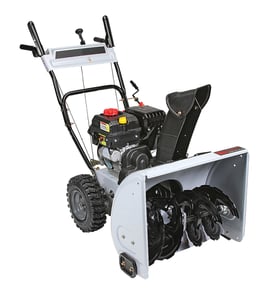



How to tell if a snowblower auger belt is bad?
On Craftsman snow thrower model 536884781, a bad auger belt usually shows up as an auger that spins slowly, slips under load, or will not turn at all. A quick inspection often reveals cracking, fraying, glazing, or a burnt-rubber smell from belt slip.
Quick signs the auger belt is failing
- Auger does not engage even though the engine runs normally
- Auger starts, then stops when you hit heavier snow (belt slipping)
- Squealing noise when you squeeze the auger control
- Burning rubber smell or visible smoke near the belt cover
- Belt looks cracked, frayed, stretched, or shiny (glazed)
- Belt has a flat spot or melted area after an auger jam
What to check (safe, practical inspection)
- Shut the engine off and let all moving parts stop.
- Remove the belt cover and look for belt damage and rubber dust.
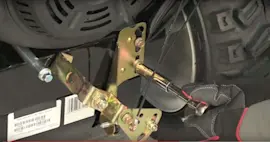
- Check belt tension by engaging the auger control; a loose belt often points to a stretched belt or an adjustment/cable issue.
- Spin the auger by hand (engine off); if it binds, a jam or gearbox issue can overload and damage the belt.
Belt problem vs. control/cable problem
| Symptom | More likely cause | What to look for |
|---|---|---|
| Auger never turns | Broken/derailed belt or severe belt slip | Belt off pulleys, shredded belt, heavy glazing |
| Auger turns but slips in deep snow | Worn or stretched belt | Shiny belt, rubber dust, weak engagement |
| Engagement feels “loose” at the handle | Cable/bracket out of adjustment | Excess slack, poor idler movement |
| Belt keeps burning | Auger binding or pulley/idler issue | Bent pulley, seized bearing, packed ice |
Parts that commonly solve the issue
If the belt is worn or damaged, replace it with the correct auger belt for this model: auger belt 37X120MA. If the belt looks fine but tension is weak, also inspect the auger control linkage and cable routing.
Why it matters
A slipping auger belt reduces throwing distance and can overheat, glaze, and fail suddenly. Catching belt wear early helps protect pulleys, the auger drive system, and the gear case from overload.
For a step-by-step walkthrough, use how to replace a snowblower belt video.
Last updated: January 2026
What is the typical lifespan of a gas snowblower?
A gas snowblower like Craftsman model 536884781 typically lasts 10 to 15 years with normal homeowner use and routine maintenance; with consistent off-season care and timely belt and cable service, many units reach 15 to 20 years.
Typical lifespan ranges
- 10 to 15 years: most gas snow throwers with regular seasonal use
- 15 to 20 years: strong maintenance habits (fresh fuel, annual oil changes, clean storage)
- Under 10 years: heavy use, poor storage, or running with worn belts/cables
| Usage and care level | What to expect | Common wear items |
|---|---|---|
| Light use, good storage | Longer life | Belts, cables |
| Average use, basic upkeep | Typical life | Belts, friction/drive parts |
| Heavy use, wet snow, minimal upkeep | Shorter life | Belts, auger/drive components |
What makes a gas snowblower last longer
- Change engine oil on schedule and keep the oil level correct
- Use fresh gasoline and stabilize fuel before storage
- Keep the auger and chute clear of packed snow and ice
- Inspect and replace worn drive components before they slip or shred
- Lubricate moving points and check fasteners each season
Parts that often decide “repair vs replace”
If performance drops but the engine still runs well, replacing common wear parts usually restores throwing power and control.
- Auger belt 37X120MA: a slipping or stretched belt reduces auger engagement and snow discharge
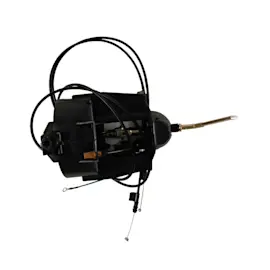
- Auger cable 761400MA: a stretched cable can prevent full clutch engagement
- Clutch cable 1579MA: worn cable action can cause inconsistent engagement
Why it matters
A snowblower’s lifespan is usually limited by maintenance and wear items, not the housing. Catching belt slip, cable stretch, and chute binding early helps your Craftsman 536884781 stay reliable during peak snowfall.
Related help: how to make your snowblower last longer
Last updated: January 2026
Is it cheaper to repair or replace a snowblower?
For a Craftsman snow thrower model 536884781, it’s cheaper to repair when the problem is a common wear item (belt, cable, chute parts) and the machine is otherwise solid. Replace when the repair total is about half the cost of a comparable new snowblower or when major drivetrain or engine issues stack up.
Quick decision checklist
- Repair if the issue is isolated (no repeated failures) and parts are readily available.
- Repair if the auger or drive just won’t engage due to a belt or cable problem.
- Replace if the engine has persistent starting, smoking, or compression problems.
- Replace if the auger gearbox or major shaft components are damaged and labor is high.
- Replace if rust has weakened the housing, frame, or key mounting points.
Common “repair wins” on this model
These fixes are typically far less expensive than replacing the whole unit:
- Replace a worn or broken auger belt 37X120MA.
- Restore auger engagement by inspecting/adjusting the auger cable 761400MA.
- Fix chute looseness or binding by checking the retainer rings and chute hardware.
Cost comparison guide (rule-of-thumb)
| Situation | Typical best choice | Why |
|---|---|---|
| Belt/cable/chute control issue | Repair | Low parts cost, fast turnaround |
| One major part plus tune-up | Repair | Extends life for less than replacement |
| Multiple major drivetrain/engine repairs | Replace | Costs and downtime add up |
Why it matters
A snowblower that only needs routine maintenance (belt, oil, spark plug, lubrication) usually delivers the best value when repaired. Once you’re paying for repeated breakdowns or major drivetrain work, replacement often becomes the lower-cost, lower-hassle option over the next few winters.
Practical next steps before you decide
- Add up parts plus labor (if you’re not doing DIY).
- Check for obvious wear: belts glazing/cracking, stretched cables, loose pulleys.
- Do basic maintenance first: fresh fuel, oil change, spark plug check.
- Use our DIY video: how to replace a snowblower belt video.
Last updated: January 2026
What is the most common problem with snow blowers?
The most common problem we see on snow blowers like the Craftsman 536884781 is a no-start or hard-start condition, usually caused by old fuel, a dirty carburetor, or a worn spark plug. Next most common are clogged chutes and auger or drive issues from worn belts or misadjusted cables.
Most common issues (and what they look like)
- Won’t start / starts then dies: stale fuel, varnished carburetor, fouled spark plug
- Runs but won’t throw snow well: chute packed with snow, wet/heavy snow, low engine speed
- Auger won’t turn: belt slipping/broken, cable out of adjustment, jammed auger
- Poor self-propel / won’t move: drive system out of adjustment, worn friction components (varies by design)
- Chute won’t rotate or won’t stay seated: worn chute ring parts or binding in the chute rotation system
Quick checks we recommend first (fastest wins)
- Use fresh fuel (and drain old fuel if it smells sour or looks dark).
- Check the spark plug and replace if fouled or worn; see how to check a snowblower spark plug video.
- Clear the chute safely (engine off, key removed, wait for all movement to stop).
- Inspect belts and engagement: if the auger stops under load, the auger belt is a prime suspect; see auger belt 37X120MA.
- Confirm cable engagement: a stretched or misadjusted clutch cable can prevent full belt tension.
Common symptom-to-cause guide
| Symptom | Most likely cause | Typical fix |
|---|---|---|
| Pull cord feels normal but won’t fire | Fuel/carburetor/spark | Fresh fuel, clean carburetor, replace spark plug |
| Throws snow then clogs quickly | Wet snow, chute buildup | Clear chute, apply chute spray, slow feed rate |
| Auger turns slowly or stops | Worn/slipping belt | Replace belt, verify cable adjustment |
| Chute won’t rotate smoothly | Worm/ring binding or wear | Clean, lubricate, inspect worm and retainer rings |
Why it matters
Most “big” snowblower failures start as small maintenance problems. Fixing fuel quality, ignition, and belt engagement early helps your Craftsman 536884781 throw farther, clog less, and avoid premature wear on pulleys, cables, and the auger drive.
Last updated: January 2026