Owner’s manual


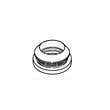
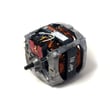
How to identify a Kenmore washer model?
Your Kenmore washer’s model number is printed on the model and serial number plate; for Kenmore model 11026292694, use that full number when looking up parts, manuals, or troubleshooting steps. The plate is typically on the washer cabinet (often under the lid on top-load models).
Check these common locations first (in order):
- Under the lid, around the tub opening on the top panel
- On the washer cabinet rim near the lid switch area
- On the back panel near the power cord entry
- Inside the cabinet opening (visible when the lid is raised)
Kenmore washer model numbers often start with 110 and are followed by additional digits. Using the exact model number helps match the correct parts list and diagrams, especially for items like the drain pump, inlet valve, and agitator components.
| What to record | Example for this washer | Why you need it |
|---|---|---|
| Model number | 11026292694 | Ensures correct part fit and diagrams |
| Serial number | (from the same plate) | Helps confirm production series for some parts |
- Copy the model number exactly as printed (include all digits)
- Record the serial number from the same plate
- Compare your washer’s style (top-load with agitator vs. other designs)
- Use the parts list for your exact model before choosing a replacement
Kenmore washers share similar designs across many model numbers, but small changes affect fit and function. Matching the model and serial number plate information keeps repairs accurate for components like the washer drain pump WP3363394 and washer inlet valve 285805.
For model-specific identification notes and plate references, use the owner's manual.
Last updated: February 2026
What is the middle part of a washing machine?
In a Kenmore washer like model 11026292694, the “middle” is the moving wash container: the inner tub (also called the wash basket) that holds clothes and spins, plus the agitator in the center that moves items through the water for cleaning. See the 11026292694 owner's manual for the exact component names used for your washer.
In most Kenmore top-load washers, the center area includes these key components:
- Wash basket (inner tub): the perforated tub that holds laundry and spins to extract water
- Outer tub: the stationary tub that holds wash water so it can drain out
- Agitator: the center post that moves clothes through the wash water (your manual describes a dual-action style)
- Drive block: connects the basket to the drive system so the basket can spin
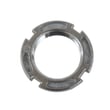
- Spanner nut: locks the basket/drive components in place
If the agitator is worn and not moving clothes well, common wear items include the agitator dog 80040 and the agitator cam 285748.
| What you see | Common name | What it does |
|---|---|---|
| Center post | Agitator | Moves clothes for cleaning action |
| Perforated tub | Wash basket (inner tub) | Holds clothes; spins to remove water |
| Solid tub around it | Outer tub | Holds water; routes water to the drain |
Knowing whether you mean the agitator or the wash basket helps you troubleshoot correctly. For example, clicking from the upper agitator during wash can be normal on this design, while poor agitation often points to worn agitator drive parts.
Check these common symptoms and likely areas:
- Agitator not moving well: agitator dogs or cam worn
- Basket not spinning: drive block, clutch, or gear case issues
- Loud noise after drain before spin: normal gear engagement can occur
- Vibration during spin: off-balance load or leveling/suspension issues
Last updated: February 2026
What is the average lifespan of a Kenmore washer?
A Kenmore washer typically lasts 10 to 15 years. For Kenmore model 11026292694, lifespan depends most on load size, detergent use, and routine care; preventing chronic overloading and keeping the drive and drain systems healthy makes the biggest difference. See the owner's manual for model-specific care and operating guidance.
Most Kenmore top-load washers like model 11026292694 land in this range:
| Usage pattern | Typical lifespan | What usually shortens it |
|---|---|---|
| Light (few loads/week) | 12 to 15 years | Long periods of non-use, corrosion |
| Average (4 to 7 loads/week) | 10 to 13 years | Overloading, poor leveling |
| Heavy (daily use) | 8 to 12 years | Frequent overloads, repeated off-balance spins |
We see the longest-lasting washers when owners stick to these basics:
- Avoid overloading; loads should move freely during wash.
- Use the right amount of detergent (too much can leave residue and stress rinsing).
- Keep the washer level to reduce vibration and suspension wear.
- Check hoses and connections periodically for seepage and restriction.
- Address new noises early (clutch, coupling, gearcase issues tend to worsen with time).
On this style of Kenmore washer, these parts often decide whether a repair is straightforward:
- Coupling 285753A (drive connection between motor and transmission)
- Washer drain pump WP3363394 (draining and spin performance)
- Clutch 285785 (spin engagement)
- Gear case 3360629 (agitation and spin drive)
Once a washer is past about 10 years, small issues like chronic overloading, slow draining, or weak spin can accelerate wear on the drive system. Fixing the root cause early often prevents secondary damage to higher-cost components.
Last updated: February 2026
Is it worth repairing a Kenmore washing machine?
Yes, repairing a Kenmore washer is worth it when the problem is a common wear item (drain pump, motor coupling, inlet valve, agitator parts) and the machine is otherwise in good condition. For Kenmore model 11026292694, we typically recommend repair when the fix restores reliable wash and spin without major tub or gear case damage; use the owner's manual to match symptoms to the right repair.
Repair usually makes sense when the washer still fills, agitates, and drains but has a specific failure you can isolate.
- It will not drain or leaves water in the tub (often the washer drain pump WP3363394)
- It will not agitate or spin but the motor runs (often the coupling 285753A)
- It fills slowly, overfills, or will not stop filling (often the washer inlet valve 285805)
- Agitator “ratchets” or does not move clothes well (often the agitator dog 80040 or agitator cam 285748)
- It bangs or walks with loads that are not oversized (check suspension components like washer suspension spring WP63907)
Replacement is usually the smarter path when the repair involves major drive or tub components, or when multiple big issues stack up.
- Loud grinding, oil leakage, or repeated spin failures tied to the transmission area (possible gear case 3360629)
- Persistent tub seal or bearing problems (possible washer bearing and seal kit 285203)
- Multiple symptoms at once (drain, spin, and fill issues together)
- Heavy corrosion, repeated leaks, or structural damage
| Repair type | Typical parts involved | Usual value outcome |
|---|---|---|
| Small mechanical fix | coupling, agitator dogs/cam, springs | High value; low risk |
| Water handling fix | drain pump, inlet valve | High value; moderate risk |
| Major drive repair | gear case, clutch, basket drive | Lower value; higher risk |
A targeted repair on a direct-drive Kenmore top-load washer often restores performance for years at a fraction of replacement cost. The key is choosing repairs that address one clear failure point instead of chasing multiple symptoms.
Last updated: February 2026
What is the capacity of the Kenmore 11026292694 washer?
The Kenmore washer model 11026292694 is an extra large capacity top-load washer with a 3.2 cu. ft. tub. That capacity is intended for full-sized loads such as towel loads, mixed loads, and several pairs of jeans when you load loosely and choose the right water level.
Use capacity as a loading guide, not a reason to pack the basket. For best cleaning, items need room to circulate around the agitator.
- Load items loosely; do not press clothes down
- Fill the basket to about 3/4 full for most loads
- Keep bulky items (towels, jeans) evenly distributed
- Select a higher water level for bulky or absorbent loads
- Stop and redistribute if the washer starts to bang or walk during spin
| Load type | Typical examples | Best practice |
|---|---|---|
| Towels | Bath towels plus hand towels and washcloths | Use higher water level; avoid packing |
| Mixed load | Shirts, shorts, underwear, light items | Mix sizes; load evenly |
| Jeans/workwear | Several jeans plus a few shirts | Keep weight balanced around the basket |
Loading to the washer’s true capacity helps prevent off-balance spinning and reduces strain on drive and drain components such as the clutch 285785 and washer drain pump WP3363394. For cycle and water-level selection details, follow the owner's manual.
Last updated: February 2026