 Error Codes




What is the most common problem with the KitchenAid dishwasher?
The most common KitchenAid dishwasher problem is poor cleaning or poor draining caused by a restriction in the wash or drain path (food debris, a blocked check valve, or a weak pump flow). On the KUDI230BWH0, start by checking for clogs and confirming the unit is filling and draining normally.
Quick checks that fix most “not cleaning” complaints
- Turn off power at the breaker before inspecting wiring or components.
- Remove and rinse the filter area and sump (where water collects) to clear debris.
- Check the spray arms for clogged holes; flush them with hot water.
- Confirm the drain hose is not kinked and the sink/disposer connection is clear.
- Run hot water at the sink before starting the cycle to improve wash temperature.
When it’s “not draining” or water backs up
A dishwasher that leaves standing water often has a drain restriction or a backflow issue.
Common causes and what to do:
- Blocked drain path: Clear the sump and drain hose.
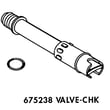
- Backflow/check valve issue: Inspect the valve for debris or sticking; replace if it won’t seal.
- Weak circulation or drain performance: Look for leaks at seals and gaskets that can reduce pump efficiency.
Helpful parts for these symptoms (when inspection points to a failure):
Symptom-to-cause guide
| Symptom | Most likely cause | What to check first |
|---|---|---|
| Dishes gritty or still dirty | Clogged spray arms or filter area | Spray arm holes, sump debris |
| Standing water after cycle | Drain restriction or check valve | Hose routing, check valve |
| Intermittent overfill or won’t fill | Float/float switch issue | Float movement, switch area |
| Leaks under unit | Seal or gasket leak | Pump outlet seal, clamps |
Why it matters
Poor cleaning and draining usually get worse over time; a small restriction can strain the pump, increase noise, and lead to leaks. Catching clogs early and replacing worn seals helps your KUDI230BWH0 run quieter and wash more consistently.
Last updated: February 2026
What is the average lifespan of a KitchenAid dishwasher?
A KitchenAid dishwasher typically lasts about 10 years with normal household use and basic maintenance. For your KitchenAid KUDI230BWH0 undercounter dishwasher, consistent cleaning, correct loading, and fixing small leaks early are the biggest factors that help you reach (or beat) that average.
Typical lifespan and what affects it
Most dishwashers wear out from heat, moisture, and moving-water stress on seals, pumps, and switches. These factors have the biggest impact:
- Water quality (hard water speeds up scale buildup)
- How often you run it (daily use wears parts faster than 3 to 4 loads per week)
- Drain and filtration cleanliness (clogs strain the circulation system)
- Door sealing and leak control (small leaks can damage components over time)
- Heating performance (overheating and poor drying can point to control or thermostat issues)
Quick maintenance that extends dishwasher life
These steps are simple and make a measurable difference on KUDI230BWH0-STYLE units:
- Clean the bottom of the tub and remove debris near the pump intake
- Run hot water at the sink before starting a cycle to improve wash temperature
- Use the right detergent amount; too much can cause buildup
- Check for drips under the unit and address them quickly
- Keep the door seal area wiped clean so it seals evenly
Parts that commonly drive “end of life” symptoms
When a dishwasher is near the end of its service life, you often see leaks, poor washing, or heating problems. These parts are common wear items:
| Symptom | Common wear area | Example part for KUDI230BWH0 |
|---|---|---|
| Water on floor | Seals and gaskets | Dishwasher pump outlet seal WP302711 |
| Overfilling or not filling correctly | Float system | Dishwasher float switch WP9743413 |
| Weak wash or unusual noise | Pump/impeller area | Impeller 675806 |
Why it matters
Knowing the typical 10-year lifespan helps you decide whether to repair or refresh key wear parts. Replacing a seal, float switch, or gasket early can prevent leaks and reduce strain on the circulation pump and motor.
Last updated: February 2026
What are the commonly replaced parts in a dishwasher?
For a KitchenAid KUDI230BWH0 undercounter dishwasher, the most commonly replaced parts are usually leak-prevention seals and gaskets, rack hardware, and water-level safety parts (float switch pieces). On this model, several of those high-wear items are available, including pump seals, circulation gaskets, and rack rollers.
Commonly replaced dishwasher parts (and what they do)
These parts tend to wear out from heat, detergent exposure, vibration, and normal loading/unloading:
- Seals and gaskets: stop leaks at the pump and water path connections
- Float switch parts: prevent overfilling by sensing water level
- Rack rollers and rack hardware: keep racks gliding smoothly and aligned
- Thermostats and temperature safety parts: help regulate water temperature and protect components
- Check valves and drain-related parts: help prevent backflow and draining issues
Common replacements you can match to KUDI230BWH0
If you are seeing leaks, overfilling, or rack problems, these model-compatible parts are common fixes:
- Leak at the pump area: dishwasher pump outlet seal WP302711
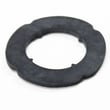
- Leak at circulation pump connection: dishwasher circulation pump gasket 717000
- Overfilling or water in the base: standpipe W10207863 and gasket-fla WP8531743
- Lower rack falling off track or hard to roll: dishwasher dishrack roller, lower WP4162322
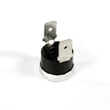
- Heating or temperature-related symptoms: thermostat WP661566
Quick symptom-to-part guide
| Symptom | Most likely part type | Example for KUDI230BWH0 |
|---|---|---|
| Water leaking under dishwasher | Pump seal or pump gasket | WP302711, 717000 |
| Dishwasher overfills or won’t fill correctly | Float switch assembly or gasket | W10207863, WP8531743 |
| Lower rack won’t roll smoothly | Rack roller | WP4162322 |
| Poor temperature control or overheating protection issues | Thermostat | WP661566 |
Why it matters
Replacing the right wear item early helps prevent bigger failures like motor damage from leaks, repeated overfill shutoffs, or rack damage that can lead to poor wash coverage. It also helps restore normal cleaning performance without replacing the entire dishwasher.
Last updated: February 2026
Can I replace dishwasher parts myself?
Yes, many parts on your KitchenAid KUDI230BWH0 undercounter dishwasher are DIY-friendly to replace, especially non-electrical and easy-access items. For electrical parts or anything involving leaks, we recommend careful troubleshooting first and replacing only the confirmed failed part.
Good DIY replacements vs. better left to a pro
Many homeowners can handle basic mechanical parts with simple tools; electrical testing and internal pump work take more skill.
- Usually DIY-friendly: rack rollers, clamps, some gaskets and seals
- Often advanced: float switch diagnostics, circulation/drain pump internal repairs, wiring issues
- Stop and reassess if: you see melted wiring, repeated tripping, or active leaking under the tub
Parts on this model that are commonly DIY
These are examples of parts available for KUDI230BWH0 that are typically straightforward when you have safe access.
- Dishwasher dishrack roller, lower WP4162322 (rack not rolling smoothly)
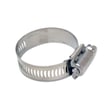
- Dishwasher hose clamp WP285655 (loose hose connection, minor seep at a clamp)
- Dishwasher pump outlet seal WP302711 (leak at the pump outlet area)
- Dishwasher float switch base gasket WP8531743 (seepage around float switch base)
- Thermostat WP661566 (heating-related symptoms after proper testing)
Before you order: quick checks that prevent wrong-part returns
Use these steps to narrow the failure to a specific part.
- Shut off power at the breaker and turn off the water supply
- Confirm the symptom: leak location, poor cleaning, not draining, not heating
- Inspect for obvious issues: loose clamp, cracked hose, worn seal, debris under float
- Take photos of wire positions and hose routing before disassembly
- Match the part by model KUDI230BWH0 and compare the old part’s markings
Tool and time expectations
| Repair type | Typical tools | Typical time |
|---|---|---|
| Rack hardware (rollers) | screwdriver, pliers | 10 to 30 minutes |
| Hose clamp or external seal | pliers/nut driver, towel | 20 to 60 minutes |
| Electrical part testing/replacement | multimeter, screwdriver | 45 to 120 minutes |
Why it matters
Dishwashers combine water, heat, and electricity. Replacing the right part the first time protects your KitchenAid KUDI230BWH0 from repeat leaks, poor wash performance, and avoidable damage to nearby cabinets and flooring.
Last updated: February 2026






