Owner’s manual
 View engine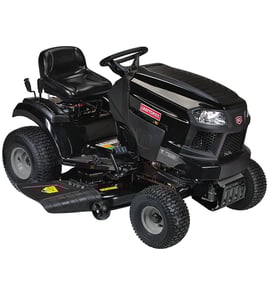


What engine does Craftsman riding mower use?
The Craftsman lawn tractor model 917273280 uses a low-emission engine and, per the manual for this specific model, it is configured as a 21.0 HP tractor with a 48-inch mower deck. For the exact engine make and model details, use the specifications section in the 917273280 owner's manual.
What we can confirm for model 917273280
From the model-specific documentation, this tractor is described as:
- 21.0 HP lawn tractor configuration
- 48-inch mower deck
- Electric start
- Automatic transmission
- Low-emission engine design (operates differently than older engines)
How to identify the exact engine make and model on your tractor
Even when horsepower and deck size are known, the engine brand and model are best confirmed from the engine ID label on the engine itself.
- Lift the hood and look for an engine label on the blower housing or valve cover
- Record the engine model, type, and code (common on Briggs and similar engines)
- Match that information to the engine section in the 917273280 owner's manual
- Use the engine ID when ordering ignition, fuel, or tune-up parts
Quick reference: “engine specs” vs “engine identity”
| What you need | Where to find it | What it’s used for |
|---|---|---|
| Horsepower and deck size | Owner’s manual cover/spec pages | General capability and configuration |
| Engine make/model/type/code | Engine ID label under the hood | Correct parts selection and service |
| Starting and operating procedure | Owner’s manual operation section | Safe starting, choke/throttle use |
Why it matters
Ordering the right parts for a Craftsman riding mower often depends on the engine’s exact ID, not just horsepower. Two engines with similar HP can use different air filters, spark plugs, carburetor parts, and starter components.
Last updated: January 2026
What are the parts of a lawn mower engine?
A Craftsman lawn tractor engine (like model 917273280) is built around fuel delivery, air intake, ignition, and internal moving parts that create power. You will typically see components such as the fuel tank, carburetor, air filter, spark plug, flywheel, and crankcase, plus cooling and exhaust parts.
Main engine systems and common parts
These are the core groups of parts you will find on most riding mower engines:
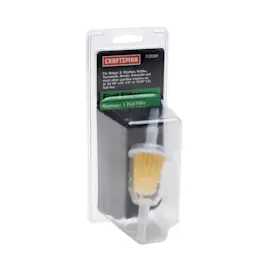
- Fuel system: fuel tank, fuel lines, in-line fuel filter, carburetor
- Air intake: air filter, intake housing, intake passages
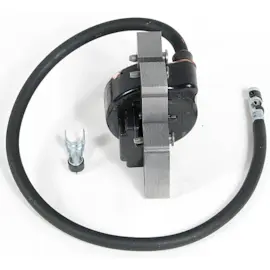
- Ignition: ignition switch, ignition coil, spark plug, flywheel magnets
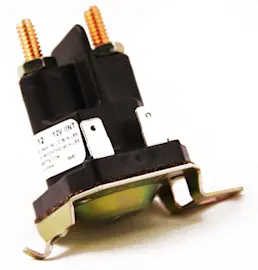
- Starting system: starter motor and solenoid (electric start) or recoil starter (some equipment)
- Internal engine: cylinder, piston, connecting rod, crankshaft, crankcase
- Lubrication: oil fill, dipstick, oil sump, drain (varies by engine)
- Cooling and exhaust: grass screen, cooling fins, blower housing/shrouds, muffler (and spark arrester if equipped)
For control locations and operating basics on your tractor, use the 917273280 owner's manual.
What to check first when the engine runs poorly
Many “engine problems” on a lawn tractor come from maintenance items the manual calls out (airflow, fuel flow, ignition):
- Clean the engine air screen and cooling fins so the engine does not overheat
- Replace the spark plug at the start of the mowing season or about every 100 hours
- Replace the in-line fuel filter once each season
- Use fresh gasoline; drain stale fuel if the tractor has been sitting
- Check oil level and change dirty oil
Quick reference: part to symptom
| If you notice | Common engine-related suspects | Typical fix |
|---|---|---|
| Hard starting | stale fuel, clogged fuel filter, dirty air filter, worn spark plug | refresh fuel, replace filter, clean/replace filter, replace plug |
| Loss of power | dirty air filter, low/dirty oil, dirty cooling fins, carburetor out of adjustment | service filter and oil, clean cooling areas, tune carburetor |
| Overheating smell | blocked grass screen, dirty cooling fins, missing shrouds | clean and reinstall cooling shrouds |
Why it matters
Knowing the engine’s main systems helps you troubleshoot faster and buy the right Craftsman parts the first time. For example, a clogged fuel filter can mimic carburetor trouble, and dirty cooling fins can cause overheating damage.
Last updated: January 2026
How much does it cost to replace a riding lawn mower engine?
For a Craftsman lawn tractor model 917273280, a full engine replacement typically costs about $800 to $2,500 installed (engine plus labor). The total depends on the exact engine type, whether you replace related wear items, and local shop labor rates; see the 917273280 owner's manual for safety and service guidance before any work.
What drives the total cost
- Engine price: new replacement engines commonly run $500 to $1,800 depending on horsepower and crankshaft configuration.
- Labor time: most shops bill 4 to 8 hours for a riding mower engine swap.
- Extra parts and supplies: oil, filter, fuel filter, clamps, belts, and hardware often add $50 to $250.
- Condition of the tractor: rusted fasteners, damaged wiring, or worn pulleys can add time.
- Pickup/delivery: some shops charge transport fees.
Typical cost ranges (installed)
| Scenario | What’s included | Typical total |
|---|---|---|
| Budget repair | Used or rebuilt engine, minimal extras | $500 to $1,200 |
| Standard replacement | New engine, fluids, basic tune-up items | $800 to $2,500 |
| Premium or complex | New engine plus multiple related repairs | $1,800 to $3,500 |
Parts to consider replacing at the same time
Replacing an engine often exposes worn drive and deck components. If your tractor has slipping drive or blade issues, these are common add-ons:
- Lawn tractor ground drive belt, 1/2 x 82-in 532140294 if the tractor has loss of drive or belt glazing
- Lawn tractor electric clutch 532414336 if the PTO clutch is noisy, slipping, or overheats
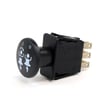
- Pto switch 582107601 if the PTO engagement is intermittent
Why it matters
A riding mower engine swap is a major repair. If the rest of the tractor (deck, transmission, steering) is in good shape, replacing the engine can restore reliable mowing for years. If multiple systems are worn, investing in belts, pulleys, or PTO components at the same time can prevent repeat labor charges.
Last updated: January 2026