Error Codes


What does OE stand for on a Kenmore washer?
On a Kenmore washer, the OE error code means the washer is not draining properly within the expected time. For Kenmore model 11091512210, we treat OE as a drain problem first: a restriction in the drain path or a weak drain pump is the most common cause.
What to check first (fast, no parts)
- Unplug the washer for safety.
- Make sure the drain hose is not kinked, crushed, or pushed too far down the standpipe.
- Confirm the standpipe or laundry tub drain is not backing up.
- Check for a small sock, lint, or debris at the tub outlet and in the hose.
- Run a Drain/Spin (or Spin) cycle and listen for the pump: a steady hum with little or no water flow points to a clog or failing pump.
Parts that commonly fix OE (drain issues)
If the hose and household drain are clear, the next most likely fix is the drain pump or a restricted drain hose.
| Symptom during drain | Most likely cause | What we recommend |
|---|---|---|
| Pump hums, drains slowly | Partial clog in hose or pump | Inspect/clear hose; consider replacing the pump |
| Loud grinding/rattling | Debris in pump or worn impeller | Replace the pump |
| No pump sound at all | Electrical issue or failed pump | Check wiring; replace the pump if power is present |
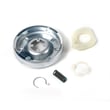
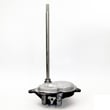
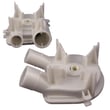
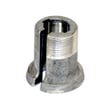
Helpful model-matched parts:
Why it matters
A washer that cannot drain will usually stop mid-cycle, leave clothes soaking wet, and can trigger repeated error codes. Fixing the drain restriction early also helps protect the motor and drive system from extra strain.
Related error code help
If your Kenmore display and controls match the Vmax style 110-series washers, use Kenmore 110 vmax top load washer error codes to compare symptoms and codes.
Last updated: February 2026
How to identify a Kenmore washer model?
Your Kenmore washer model number is printed on the appliance’s model and serial tag. For Kenmore washers, it’s commonly found under the lid (top-load models like 11091512210), inside the door opening (front-load models), or on the back panel near the power cord; once you have it, we can match the correct parts for your exact washer.
Where to look on the washer
Check these common tag locations first:
- Under the lid, around the tub opening or on the underside of the lid
- Along the back of the control console
- On the rear panel near the power cord entry
- Inside the door opening (front-load washers)
- Behind the lower access panel (some front-load designs)
What the model number looks like (Kenmore)
Many Kenmore washers use a model format that starts with 110 followed by additional digits (example: 11091512210). Write the full model number exactly as shown, including all digits.
| What you see on the tag | What it means | Why we need it |
|---|---|---|
| Model number (example: 11091512210) | Identifies the exact washer design | Ensures parts fit and function correctly |
| Serial number | Production code and build sequence | Helps confirm version changes within a model |
Why it matters when ordering parts
Kenmore washers can look similar across multiple model series, but internal components can differ. Using the full model number helps us avoid mismatches in key repair parts such as the motor coupling, drain pump, or lid switch.
Examples of model-matched parts for Kenmore 11091512210
If you’re troubleshooting and need common wear items, these are examples of parts listed for this model:
- Coupling 285753A (motor-to-transmission drive connection)
- Washer drain pump WP3363394 (drains water from the tub)
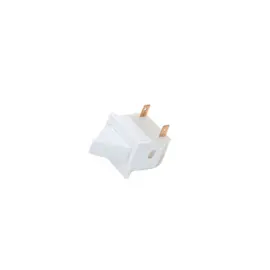
- Switch 285671 (commonly used as a lid switch on many top-load designs)
Quick tips to avoid mistakes
- Copy the model number directly from the tag, not from the control panel styling
- Include every digit; one missing number can point to a different parts list
- If the tag is worn, use a flashlight and take a close-up photo to zoom in
Last updated: February 2026
Is it worth repairing a Kenmore washing machine?
Yes, repairing a Kenmore washer is usually worth it when the fix addresses a common wear part and the total repair cost is clearly less than replacing the machine. For Kenmore model 11091512210, many frequent failures involve serviceable drive and drain components such as the coupling 285753A or washer drain pump WP3363394.
A practical way to decide (repair vs. replace)
Use these checkpoints to make a clear call:
- Age and condition: If the cabinet, tub, and controls are in good shape, repairs tend to pay off.
- Symptom type: No-spin, no-agitate, or no-drain problems are often straightforward.
- Repair cost vs. replacement: If the repair is a fraction of a comparable new washer, repair wins.
- Repeat failures: Multiple major issues at once usually pushes toward replacement.
- Downtime: If you need a fast fix, replacing a single common part is often quickest.
Common “worth repairing” problems on this style of Kenmore washer
These are typical repairs that often restore full operation:
| Symptom | Likely area | Example part for this model |
|---|---|---|
| Washer won’t agitate or spin, motor runs | Drive coupling | Coupling 285753A |
| Washer won’t drain or drains slowly | Drain pump or drain path | Washer drain pump WP3363394 |
| Loud grinding, oil leak, poor spin | Gear case / drive system | Gear case 3363395 |
| Spins poorly, burning smell, weak engagement | Clutch | Clutch 285785 |
What we recommend before spending money
- Confirm the symptom (won’t fill, won’t drain, won’t spin, leaks, noise).
- Check the simple causes first: lid closed, load balanced, drain hose not kinked.
- Inspect for obvious wear: cracked coupling pieces, pump blockage, loose drive block.
- Price the likely fix and compare it to the cost of a replacement washer.
Why it matters
A targeted repair on a proven Kenmore direct-drive style washer often restores reliability for years, especially when you replace the specific failed component instead of guessing. The right part choice also prevents repeat breakdowns and extra labor.
Last updated: February 2026
What is the average lifespan of a Kenmore washer?
A Kenmore washer typically lasts 10 to 15 years with normal household use; for Kenmore model 11091512210, good loading habits and timely repairs (like fixing draining or drive issues early) help it reach the longer end of that range.
What affects washer lifespan most
- Overloading (stresses the motor, clutch, and gear case)
- Out-of-balance loads (increases tub and suspension wear)
- Poor draining (can overwork the pump and leave water that causes odors)
- Hard water and detergent buildup (can affect valves, seals, and performance)
- Small leaks left unfixed (can damage bearings, seals, and nearby components)
Quick maintenance habits that add years
- Keep loads evenly distributed; wash bulky items with a few towels for balance.
- Use the right amount of HE detergent (too much creates residue and extra strain).
- Check pockets and use a garment bag for small items to reduce pump clogs.
- Inspect fill hoses and the drain path periodically for kinks and seepage.
- Address new noises early; a minor drive issue is cheaper than a major drivetrain repair.
Common wear items (and what they usually mean)
| Symptom | Common cause | Example part for this model |
|---|---|---|
| Won’t spin or agitates poorly | Worn drive connection | Coupling 285753A |
| Won’t drain or drains slowly | Pump jam or worn pump | Washer drain pump WP3363394 |
| Loud banging, tub movement | Weak suspension support | Washer suspension spring WP63907 |
| Burning smell or slipping in spin | Worn clutch | Clutch 285785 |
Why it matters
Washer failures often start as small performance changes (slow drain, slipping spin, new vibration). Catching those early protects high-cost assemblies like the gear case and helps your Kenmore 11091512210 deliver a full 10 to 15 years of service.
Last updated: February 2026