Owner’s manual


Is Kenmore Elite high end?
Yes. Kenmore Elite is Kenmore’s higher-end line, and your Kenmore Elite washer model 11042832200 is built as a premium, front-load (horizontal-axis) design with performance and convenience features positioned above standard Kenmore models.
What “high end” means for Kenmore Elite
In the Kenmore lineup, “Elite” typically signals upgraded design, stronger feature sets, and more refined operation compared with entry and mid-tier models.
Common high-end traits you’ll usually see in Kenmore Elite laundry:
- Larger capacity and higher spin speeds for better water extraction
- More cycle options and better fabric care (gentler tumbling, better rinsing)
- Quieter operation and improved vibration control
- More robust door sealing and locking systems
- Better fit-and-finish (controls, cabinet, and trim)
For model-specific feature details (cycles, options, and care recommendations), use the owner's manual.
Where Kenmore Elite fits in the Kenmore lineup
Kenmore has multiple “tiers.” Elite is generally above standard Kenmore; some product families also include PRO models that sit at the top.
| Kenmore tier | Typical positioning | What you usually get |
|---|---|---|
| Kenmore (standard) | Value focused | Core cycles and basic features |
| Kenmore Elite | Upper-mid to high end | More features, quieter operation, better performance |
| Kenmore PRO (when offered) | Top tier | Pro-style design and premium feature sets |
Why it matters when you’re buying parts or troubleshooting
Higher-end washers often use more specialized components for smooth operation and safety. If you’re diagnosing noise, vibration, filling, or door issues on model 11042832200, these parts are commonly involved:
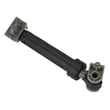
- Shck absorbr WP8182703 for vibration and tub movement control
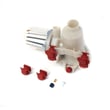
- Washer water inlet valve WP8181694 for slow fill, no fill, or temperature mix problems
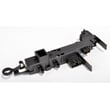
- Door lock WP8182634 for door won’t lock, won’t start, or intermittent stopping
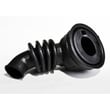
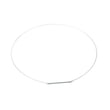
- Bellow WP8181850 for door boot leaks or mildew-related sealing problems
Quick tip: “high end” does not mean “maintenance free”
To keep a front-load Elite washer running its best:
- Use HE detergent and avoid over-dosing
- Leave the door ajar between loads to help the bellow dry
- Run a monthly cleaning cycle (or hot cycle) as recommended
- Check pockets to reduce drain and pump clogs
Last updated: February 2026
What is the average lifespan of a Kenmore washer?
Most Kenmore washers average 10 to 15 years of service life. For a Kenmore Elite 11042832200 horizontal-axis washer, lifespan depends most on load size, leveling, and routine cleaning; preventing vibration and leaks helps you avoid early failures.
Typical lifespan by washer type
| Washer type | Typical lifespan | Notes |
|---|---|---|
| Front-load (horizontal axis) | 10 to 15 years | Great cleaning efficiency; needs regular gasket/boot care |
| Top-load (vertical axis) | 10 to 15 years | Often more tolerant of small balance issues |
| Heavy-use households | 8 to 12 years | More cycles per week shortens life |
What shortens washer life fastest
We see these issues reduce lifespan more than anything else:
- Overloading (stresses bearings, suspension, and drive components)
- Running unlevel (increases vibration and tub wear)
- Ignoring small leaks (can damage the pump area and electrical parts)
- Detergent overuse (causes residue, odors, and poor draining)
- Skipping periodic cleaning (buildup leads to odors and performance problems)
Maintenance that adds years (especially for front-loaders)
These habits are simple and make a measurable difference:
- Keep the washer level and re-check if it starts walking
- Wipe the door area and inspect the door boot for debris; replace the bellow WP8181850 if it’s torn or leaking
- Use the correct amount of HE detergent and run periodic cleaning cycles
- Check fill performance if cycles run long; a restricted or failing washer water inlet valve WP8181694 can cause slow fills and extra wear
- Address door-closing issues early; a worn washer door strike WP8181651 can contribute to door lock problems
Why it matters
A washer that is vibrating, leaking, or struggling to fill and drain usually costs more over time through repeat breakdowns and secondary damage. Catching those symptoms early is often the difference between a small part replacement and a major repair.
For model-specific care and operating tips, follow the maintenance guidance in the owner's manual.
Last updated: February 2026
How to force a Kenmore Elite washer to drain?
To force-drain your Kenmore Elite washer model 11042832200, we recommend canceling the cycle, then manually draining through the front drain pump cleanout (if equipped) and clearing any blockage in the drain path. Use the steps and panel locations shown in the owner's manual.
Fast way to get the water out (manual drain)
- Unplug the washer (or switch off the breaker).
- Turn off both water supply valves.
- Place towels and a shallow pan under the lower front access area.
- Open the lower access panel and slowly loosen the pump filter cap to let water drain into the pan.
- Remove the filter and clear lint, coins, socks, or debris; reinstall the cap snugly.
What to check while you are there
- Drain pump filter for debris and broken plastic
- Drain hose for kinks, pinches, or freezing
- Standpipe or laundry sink for a slow household drain
- Door lock operation (washer may not drain/spin if it cannot lock)
- Suds level (too much detergent can slow draining)
If it still will not drain
A no-drain condition is usually a restriction, a failed pump, or a control not allowing drain.
| Symptom | Most likely cause | What to do next |
|---|---|---|
| Hums but no water moves | Clogged filter or hose | Recheck filter and hose routing |
| Drains slowly | Partial clog or heavy suds | Clear hose; run a rinse/spin with no detergent |
| Door stays locked or errors | Door lock issue | Inspect/replace door lock WP8182634 or washer door strike WP8181651 |
| No pump sound at all | Pump or wiring issue | Check wiring; test pump; replace if needed |
Parts that commonly fix drain problems
If you confirm a failed component, these are common drain-related replacements for model 11042832200:
- Water pump 280187
- Washer tub-to-pump hose WPW10467168
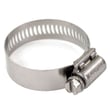
- Clamp WP285655
- Washer water inlet valve WP8181694 (only if the washer is overfilling, not draining)
Why it matters
Standing water can cause odor, leaks at the door boot, and repeated drain errors. Clearing the drain pump filter and verifying the hose path usually restores normal draining without replacing parts.
Last updated: February 2026
Does my Kenmore Elite washing machine have a filter?
Yes. Your Kenmore Elite washer model 11042832200 typically uses a drain pump clean-out (coin trap) style filter that catches lint and small items before they reach the pump. Access is usually through the lower front area; confirm the exact access method in the owner's manual.
Where the “filter” is on this washer
On many horizontal-axis (front-load) Kenmore Elite washers, the filter is part of the drain system:
- It is commonly built into the drain pump housing as a twist-out clean-out cap
- It may be behind a small lower access panel (kick plate) or behind the lower front panel
- It is meant to be cleaned periodically, especially if you see slow draining or “SUD” type symptoms
How to check and clean it safely
Before opening any drain clean-out, plan for water.
- Unplug the washer
- Have a shallow pan, towels, and a wet/dry vacuum if available
- Open the lower access area and locate the pump clean-out cap
- Turn the cap slowly to let water drain in a controlled way
- Remove debris (coins, hair pins, lint), then reinstall the cap snugly
Parts that often relate to “filter” problems
If the washer still will not drain or leaks after cleaning, these model-specific parts are common suspects:
| Symptom | What to inspect | Example part for 11042832200 |
|---|---|---|
| Won’t drain or drains slowly | Pump and drain path | Water pump 280187 |
| Leaks at the door area | Door boot for tears or clamp fit | Bellow WP8181850 |
| Leaks at tub-to-pump connection | Hose and clamps | Washer tub-to-pump hose WPW10467168 and clamp WP285655 |
Why it matters
A clogged pump clean-out can mimic a failed pump, cause long drain times, leave water in the tub, and contribute to odors. Cleaning the trap first is the fastest way to restore normal draining and avoid unnecessary part replacement.
Last updated: February 2026
Is it worth repairing a Kenmore washing machine?
For a Kenmore Elite 11042832200 front-load (horizontal-axis) washer, repairing is usually worth it when the fix targets a specific failed part and the machine is otherwise in good shape. Common repairs like a door lock, water inlet valve, or pump often restore reliable operation for far less than replacement.
Quick way to decide
Use this checklist to make a confident repair vs. replace call:
- The washer completes cycles but has one clear symptom (won’t fill, won’t drain, won’t lock): repair
- The tub and cabinet are solid (no severe rust, no major cracks): repair
- The problem is a wear item (seal, hose, shock, spring): repair
- You’ve had repeated major failures in a short time: consider replacing
- The repair requires major teardown (outer tub, bearings, multiple leaks): consider replacing
Common “worth it” repairs on this model
These are frequent failure points on horizontal-axis washers and are typically straightforward compared to replacing the washer:
- Door won’t lock or won’t start: door lock WP8182634
- Won’t fill or fills slowly: washer water inlet valve WP8181694
- Won’t drain or leaves water in the tub: water pump 280187
- Leaks at the door opening: bellow WP8181850
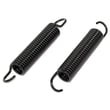
- Excessive shaking or banging: shck absorbr WP8182703 and suspension spring W10135004
Repair cost vs. value (simple comparison)
| Situation | Typical outcome | Usually worth repairing? |
|---|---|---|
| Single-part failure (lock, valve, pump, hose) | Restores normal cycles | Yes |
| Leak from door boot or a clamp/hose | Stops water damage risk | Yes |
| Chronic vibration plus multiple worn suspension parts | Improves stability, may need several parts | Sometimes |
| Outer tub or major structural damage | High labor and multiple parts | Often no |
Why it matters
A targeted repair prevents secondary damage. For example, a slow drain can strain the pump and leave standing water that causes odor; a leaking door boot can damage flooring and nearby components.
What to check before ordering parts
Follow the troubleshooting and diagnostic steps in the owner's manual first, then match symptoms to the most likely part.
- Confirm the exact symptom (no fill, no drain, no spin, leak location)
- Check for simple causes (kinked hoses, clogged drain path, overloaded drum)
- Inspect for visible leaks at the door boot and hose connections
- Listen for pump operation during drain
- If the door won’t lock, inspect the strike and latch alignment
Last updated: February 2026